

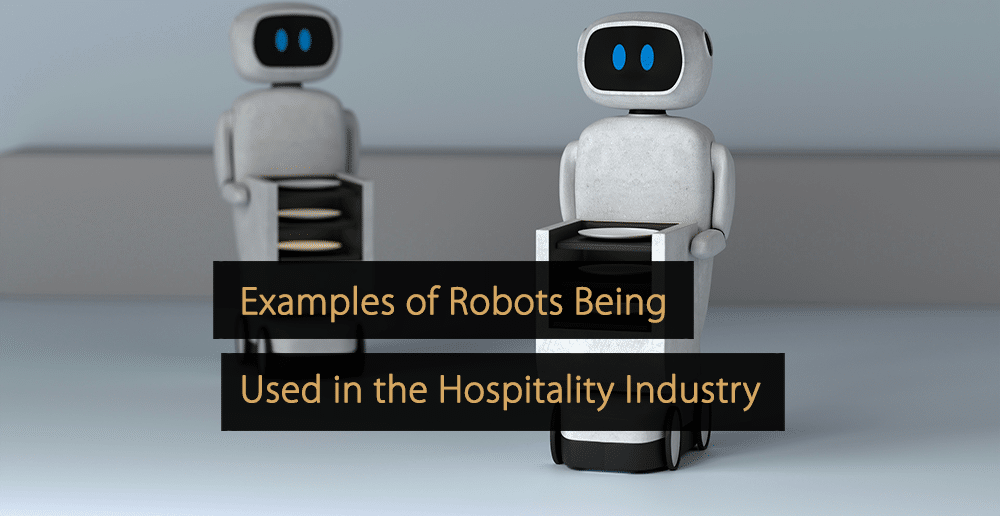
Roboter werden in der Hotellerie immer häufiger eingesetzt. Ihre Einsatzmöglichkeiten reichen von KI-gestützten Chatbots zur Unterstützung des Kundenservice bis hin zu Roboterassistenten, die das Gästeerlebnis im Hotel verbessern sollen. In diesem Artikel finden Sie weitere Informationen zu den Einsatzmöglichkeiten von Robotern in der Hotellerie im Jahr 2026, inklusive 17 konkreter Beispiele aus aller Welt.
Inhaltsverzeichnis:
- Was sind Roboter?
- Roboter und künstliche Intelligenz
- Roboter in der Hotellerie
- Beispiele für den Einsatz von Robotern im Gastgewerbe
- Beispiele für den Einsatz von Robotern im Beherbergungssektor
- Empfangs- oder Rezeptionsroboter
- Beispiele für Haushalts- und Reinigungsroboter
- Beispiele für Sicherheits- und Überwachungsroboter
- Beispiele für den Einsatz von Robotern in Restaurants, Bars und Cafés
- Beispiele für Koch- und Küchenroboter
- Vor- und Nachteile von Robotern gegenüber Menschen
- Globaler Ausblick für Gastgewerberoboter (2026–2036)
Was sind Roboter?
Bei der Erörterung von Robotern und ihrer Verwendung ist es wichtig, zunächst festzustellen, was sie sind. Vereinfacht gesagt ist ein Roboter ein Maschine, die dafür gebaut wurde, komplexe Aktionen oder Aufgaben automatisch auszuführen. Einige Roboter sind so konzipiert, dass sie Menschen ähneln, sogenannte Androiden, aber viele Roboter haben keine solche Form.
Moderne Roboter können autonom oder halbautonom sein und können künstliche Intelligenz (KI) und Spracherkennungstechnologie verwenden. Die meisten Roboter sind jedoch so programmiert, dass sie bestimmte Aufgaben mit großer Präzision ausführen, ein Beispiel sind die Industrieroboter, die in Fabriken oder Produktionslinien zu sehen sind.
Roboter und künstliche Intelligenz
Entsprechend der Marktbericht für künstliche Intelligenz (KI). Laut Precedence Research wird der weltweite Markt für künstliche Intelligenz bis 2032 voraussichtlich $2.575,16 Milliarden erreichen. Der Einsatz künstlicher Intelligenz im Bereich der Robotik ist eine der aufregendsten und vielversprechendsten Anwendungen für Einzelpersonen und Unternehmen, die in diesem Bereich tätig sind Krankenhausverwaltung. Dennoch handelt es sich hierbei um einen weiteren komplexen Bereich, in dem ein klareres Verständnis erforderlich ist.
Künstliche Intelligenz bezieht sich im Wesentlichen auf die Ausführung scheinbar intelligenter Aufgaben, die menschliche kognitive Funktionen nachahmen. Obwohl es keine genaue Definition dessen gibt, was künstliche Intelligenz ausmacht, gelten Problemlösung, Argumentation, das Verstehen menschlicher Sprache und autonome Navigation typischerweise als KI-Beispiele.
Daher beschreiben Verweise auf künstlich intelligente Roboter normalerweise Roboter, die dafür ausgelegt sind, einige davon zu erreichen 'intelligent' Aufgaben oder Funktionen.
Roboter in der Hotellerie
Einer der Gründe, warum Roboter so beliebt geworden sind Technologietrend Innerhalb der Hotel- und Gastronomiebranche spielen Konzepte wie Automatisierung und Selbstbedienung eine zunehmend wichtige Rolle. Kundenerfahrung. Die Verwendung von Roboter kann zu Verbesserungen in Bezug auf Geschwindigkeit, Kosteneffizienz und sogar Genauigkeit führen. Entsprechend die Marktanalyseberichte für Hospitality-Roboter Laut TechNavio wird der weltweite Markt für Hospitality-Roboter zwischen 2022 und 2027 voraussichtlich um eine jährliche Wachstumsrate von 12,131 TP250T wachsen.
Beispielsweise ermöglichen Chatbots einem Hotel- oder Reiseunternehmen, rund um die Uhr Support über Online-Chat oder Instant Messaging-Dienste bereitzustellen, selbst wenn das Personal nicht verfügbar ist, was extrem kurze Reaktionszeiten ermöglicht. In der Zwischenzeit kann ein beim Check-in eingesetzter Roboter den gesamten Prozess beschleunigen und Staus reduzieren.
Tabelle: Beispiele für Roboter- und künstliche Intelligenzanwendungen im Gastgewerbe
Beispiele für den Einsatz von Robotern in der Hotelbranche
Roboter werden heute in verschiedenen Bereichen des Gastgewerbes eingesetzt, darunter Hotels, Resorts, Restaurants, Cafés, Casinos, Flughäfen und Kreuzfahrtschiffe. Sie unterstützen den Check-in an der Rezeption, die Gästeinformation, die Zimmerreinigung, die Bodenreinigung, Sicherheitspatrouillen, den Zimmerservice und sogar die Zubereitung von Cocktails und Speisen. Ihr Zweck ist es, die körperliche Belastung zu reduzieren, den Service zu beschleunigen und das Personal zu unterstützen, anstatt es zu ersetzen. Nachfolgend finden Sie 17 aktuelle Beispiele aus der Praxis, die zeigen, wie Roboter heute im Gastgewerbe eingesetzt werden.
Beispiele für den Einsatz von Robotern im Beherbergungssektor
Roboter werden in Hotels und anderen Beherbergungsbetrieben immer wichtiger. Sie dienen nicht mehr nur der Dekoration, sondern übernehmen alltägliche Aufgaben wie die Begrüßung von Gästen, die Beantwortung einfacher Fragen, die Bodenreinigung, die Warenausgabe und die Unterstützung des Sicherheitspersonals. Hotels stehen unter starkem Personalmangel. 67% von Objekten melden Personalmangel und 72% können offene Stellen nicht besetzen. Roboter helfen, diese Lücken zu schließen, indem sie kontinuierlich wiederkehrende Aufgaben erledigen. Dadurch können sich die Mitarbeiter auf die Gästebetreuung und die Servicequalität konzentrieren, während Hotels auch mit reduziertem Personal einen gleichbleibenden Service gewährleisten.
Empfangs- oder Rezeptionsroboter
Empfangsroboter im Gastgewerbe nutzen Robotik, KI und maschinelles Lernen, um Aufgaben am Empfang zu übernehmen. Dazu gehören das Einchecken von Gästen, die Beantwortung von Fragen und die Ausweisprüfung. Der Einsatz von Robotern am Empfang kann Wartezeiten deutlich verkürzen. Dadurch gewinnen Gäste einen besseren ersten Eindruck von Ihrem Hotel, da sie Verzögerungen vermeiden und sehen, dass Sie auf moderne Technologie setzen.
1. Pepper an der Hotelrezeption (SoftBank Robotics)
Pfeffer Pepper ist ein humanoider Serviceroboter von SoftBank Robotics. Mit einer Größe von 121 cm begrüßt er Gäste, unterstützt beim Check-in, informiert über Hoteleinrichtungen und Sehenswürdigkeiten in der Umgebung und spricht mehrere Sprachen. In Japan und Europa wird er vorwiegend in stark frequentierten Bereichen wie Lobbys und Hotels mit Ausstellungscharakter eingesetzt. Pepper entlastet die Rezeption und ermöglicht es dem Personal, sich auf die Bedürfnisse der Gäste zu konzentrieren.
Video: Intelligente Hotelrezeption mit Pepper-Roboter – SPARK-Lösung
2. Relay-Lieferroboter in großen Hotelketten
Relais-Zustellroboter, Die von Relay Robotics entwickelten Roboter sind in vielen führenden Hotelketten wie Marriott, Hilton, Radisson, Mandarin Oriental und Holiday Inn im Einsatz. Sie liefern Annehmlichkeiten und Zimmerservice-Artikel, indem sie mit dem Aufzug fahren und bei Ankunft die Gäste anrufen. Relay-Roboter haben bereits über eine Million Lieferungen durchgeführt. Sie unterstützen Hotels bei der Bewältigung von Spitzenzeiten und Nachtschichten und bieten Gästen gleichzeitig ein unvergessliches, Social-Media-taugliches Erlebnis. Ein weiteres Beispiel ist Keenons BUTLERBOT W3 Wird in Hotels wie dem M Social Auckland verwendet, um Flaschenwasser und Hygieneartikel zwischen den Etagen zu liefern.
3. Seaview Investors – Erste US-Hotelgruppe mit Robotern in jedem Hotel
Seaview-Investoren in Kalifornien war eine der ersten Hotelgruppen, die in jedem ihrer acht Hotels einen Relay-Roboter einsetzte. Roboter wie “Hannah" Und "Winnie”Die Roboter liefern Snacks, Hygieneartikel und kleine Speisenbestellungen innerhalb von etwa fünf Minuten. Während der COVID-19-Pandemie ermöglichten sie einen sicheren, kontaktlosen Service. Zudem steigerten sie die Markenbekanntheit durch Fotos von Gästen und deren Verbreitung in den sozialen Medien.
4. Hotel Jen Singapur – Serviceroboter Jeno und Jena
Das Hotel Jen Orchardgateway und das Hotel Jen Tanglin, die zur Shangri-La-Gruppe gehören, wurden eingesetzt. Roboter namens Jeno und Jena Sie liefern Speisen und Getränke mit einer Geschwindigkeit von etwa 2,4 km/h an die Gäste. Sie fahren mit dem Aufzug und benachrichtigen diese bei ihrer Ankunft. Das Management berichtete von höherer Gästezufriedenheit und regem Interesse in den sozialen Medien; viele Gäste buchten gezielt, um die Roboter zu erleben.
5. Eine Tour durch das weltweit erste Hotel mit Roboterpersonal
Das in Nagasaki, Japan, gelegene Henn-na Hotel wurde zum erstes Hotel der Welt Das Hotel soll vollständig mit Robotern betrieben werden. Die Roboter des Hotels werden eingesetzt, um Informationen bereitzustellen, Rezeptionsdienste, Lagerdienste sowie Ein- und Auscheckvorgänge zu erledigen. Technologie einschließlich Sprach- und Gesichtserkennung.
Video: Dinosaurier-Roboter-Rezeptionist im Henn na Hotel in Kanazawa (Japan 🇯🇵 Vlog)
6. Lernen Sie Connie kennen, den Hilton Roboter-Concierge.
Connie ist ein Roboter-Concierge, der von Hilton eingesetzt wird. Der Roboter nutzt eine von IBM entwickelte Plattform für künstliche Intelligenz und kann dank seiner Spracherkennungsfunktionen mit Gästen interagieren und auf deren Fragen antworten. Das System lernt außerdem mit jeder Interaktion und passt sich an, wodurch die Antworten, die es liefert, verbessert werden.
7. Gepäckabfertigungsroboter
Gepäckabfertigungsroboter transportieren Gästegepäck und Koffer automatisch von der Lobby in die Gästezimmer. Mithilfe von Sensoren und Routenplanung navigieren sie selbstständig durch Flure und Aufzüge. Die Gepäckabfertigung ist körperlich anstrengend und birgt ein Verletzungsrisiko. Die Automatisierung dieses Prozesses reduziert nicht nur die Arbeitsbelastung, sondern beugt auch Verletzungen vor und verringert das Risiko, dass Gepäckstücke herunterfallen.
Einige der führenden Marken im Gastgewerbe, die auf Roboter setzen, haben Gepäckabfertigungsroboter eingeführt. Diese können oft mehrere Gepäckstücke gleichzeitig transportieren und mehrere Gepäcktransporte nacheinander durchführen. Zudem ermöglichen sie flexible Check-in- und Check-out-Zeiten.
Video: Gepäckabfertigungsroboter „Yobot“ im NYC Yotel
Beispiele für Haushalts- und Reinigungsroboter
Die Zimmerreinigung zählt zu den körperlich anstrengendsten Tätigkeiten im Gastgewerbe und ist eine der schwierigsten, dauerhaft besetzten Positionen. Laut die Internationale Arbeitsorganisation, Wiederkehrende Reinigungsarbeiten zählen zu den Hauptursachen für Ermüdung und Verletzungen am Arbeitsplatz im Dienstleistungssektor. Reinigungsroboter wurden entwickelt, um diese Aufgaben in öffentlichen Bereichen zu übernehmen. Sie saugen Flure, Lobbys und öffentliche Räume autonom mithilfe von KI-Navigationssystemen. Die fortschrittlichsten Reinigungsroboter, in die Unternehmen der Hotellerie investieren, bieten UV-Licht-Reinigung für maximale Hygiene und Luftreinigung, um Schadstoffe aus der Luft zu entfernen. Sie arbeiten außerhalb der Stoßzeiten, ohne Gäste zu stören. Im Folgenden finden Sie einige Beispiele für Reinigungsroboter, die in der Hotellerie eingesetzt werden.
8. Whiz von SoftBank Robotics (Hotelreinigung)
Sausen Whiz ist ein autonomer Saugroboter, der in großen Hotelketten wie dem Marriott, dem Hilton Garden Inn und dem Club Wyndham eingesetzt wird. Er reinigt Flure und Lobbybereiche mit minimalem Personalaufwand. Entwickelt von SoftBank Robotics, nutzt Whiz die KI-gestützte BrainOS-Navigation. Mit einer Akkuladung reinigt er bis zu 1.400 Quadratmeter. US-Fallstudie bei einem Hilton Garden Inn Die Sauberkeitswerte stiegen nach dem Einsatz von Whiz von 82,7% auf 90%, während die Reinigungskräfte durch die Entlastung vom Staubsaugen der Flure etwa eine zusätzliche Minute pro Gästezimmer gewannen.
9. Pudu CC1 Reinigungsroboter
Pudu CC1 CC1 bietet 4-in-1-Reinigungsfunktionen – Kehren, Schrubben, Staubsaugen und Wischen – für Hotels, Einkaufszentren und große Gastronomiebetriebe. Mit 15-Liter-Frischwassertanks und automatischer Befüllung/Entleerung an den Arbeitsplätzen reinigt CC1 bis zu 1.000 Quadratmeter pro Stunde. Hotels nutzen CC1, um Lobbys, Flure und Restaurants dank autonomer Kartierung und Zeitplanung makellos sauber zu halten.
10. Gausium-Scheuerroboter – Großflächenreinigung in Resorts und Kongresshotels
Gausium (ehemals Gaussian Robotics) Gausium produziert autonome Reinigungsroboter wie den Scrubber 50 und den Phantas, die in großen Hotels, Resorts und Kongresszentren weit verbreitet sind. Diese Roboter reinigen Lobbys, Ballsäle, Konferenzräume und angrenzende Verkaufsflächen und nutzen LiDAR und KI zur Routenplanung und -optimierung. An wichtigen Verkehrsknotenpunkten haben Gausium-Roboter Millionen Quadratmeter Reinigungsfläche erreicht und dank integrierter Recyclingsysteme den Wasserverbrauch um über 401.442 Tonnen reduziert. Fallstudie im Hotel Prinz Rudolf in Italien beschreibt, wie der Phantas-Roboter, Spitzname “Hugo,”…“ ist zuständig für die Bereiche Lobby und Speisesaal.
Video: Neue Version des Badezimmer-Reinigungsroboters von SOMATIC
Beispiele für Sicherheits- und Überwachungsroboter
Sicherheitsroboter unterstützen Hotels bei der Überwachung großer Flächen ohne ständige menschliche Patrouillen. Sie bewegen sich in Lobbys, Eingängen und Außenbereichen und sorgen so für kontinuierliche Sichtbarkeit und grundlegende Sicherheitsunterstützung. Durch die Übernahme routinemäßiger Überwachungsaufgaben ermöglichen diese Roboter dem Sicherheitspersonal, sich auf die Sicherheit der Gäste, die Reaktion auf Zwischenfälle und risikoreichere Situationen zu konzentrieren.
11. Autonome Sicherheitsroboter von Knightscope
Knightscope Roboter patrouillieren in Lobbys, Eingängen und Außenbereichen. Mithilfe von Kameras und Sensoren erkennen sie ungewöhnliche Aktivitäten und senden Echtzeitwarnungen an die Sicherheitsteams. Die Roboter von Knightscope werden in großen Hotels und Gewerbeimmobilien eingesetzt, um die Überwachung zu verbessern und dem menschlichen Sicherheitspersonal die Konzentration auf die Reaktion auf Vorfälle zu ermöglichen.
Beispiele für den Einsatz von Robotern in Restaurants, Bars und Cafés
Roboter prägen zunehmend Restaurants, Bars und Cafés, indem sie die Serviceteams während der Stoßzeiten unterstützen und die Betriebsabläufe verbessern. NetSuite, Die Restaurantbranche in den USA steht vor einem Mangel von 500.000 Arbeitskräften, während die Löhne um 281.442.000 gestiegen sind. Roboter begegnen diesen Herausforderungen, indem sie präzise und zuverlässig kochen, servieren, Getränke mixen und Tische abräumen. Laut Prognosen werden bis 2027 301.442.000 US-Restaurants Roboter einsetzen. Nationaler Restaurantverband.
Ein Restaurant-Serviceroboter ist eine Maschine, die Restaurantbestellungen entgegennimmt. Diese Roboter gibt es in vielen Ausführungen, von KI-gestützten Selbstbedienungskiosken bis hin zu humanoiden Robotern, die Teller zu und von den Tischen bringen. Wie andere Roboter im Gastgewerbe reduzieren auch Serviceroboter die Arbeitsbelastung des Personals. Darüber hinaus tragen sie zu einem einheitlicheren Servicestandard bei und helfen, Fauxpas in der Kommunikation zu vermeiden.
Die modernsten Serviceroboter nutzen Sensoren und Navigationstechnologie, um Kollisionen mit Tischen, Stühlen, Gästen und anderen Mitarbeitern zu vermeiden. Sie können mit mehreren Tabletts oder Ablagen für Teller, Schüsseln, Gläser und Flaschen ausgestattet sein. Letztendlich können diese Roboter den Service beschleunigen und so potenziell die Gästeanzahl und den Umsatz steigern. Hier einige Beispiele für den Einsatz von Robotern in Restaurants, Bars und Cafés.
12. BellaBot – Essenslieferroboter von Pudu Robotics
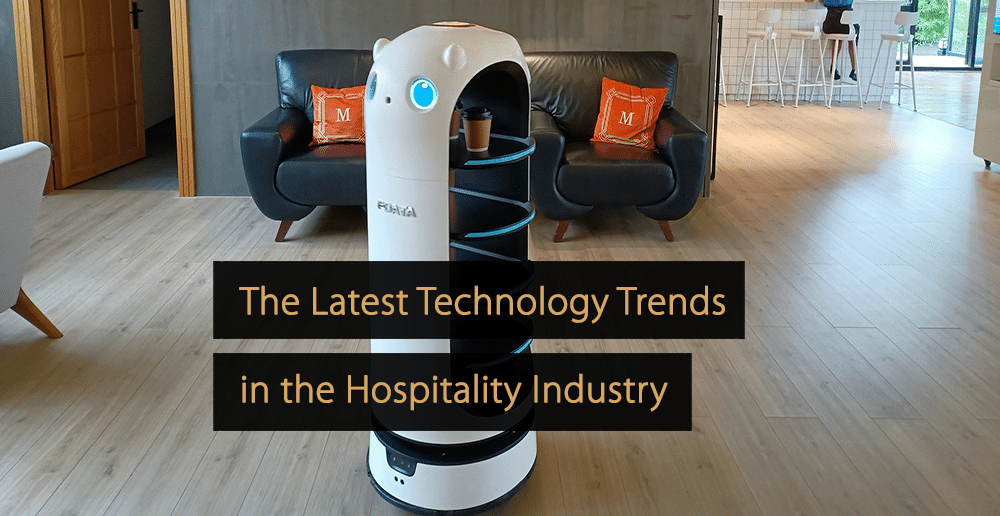
Pudu Robotics Weltweit sind über 80.000 Einheiten in mehr als 60 Ländern im Einsatz, und es besteht eine Partnerschaft mit namhaften Marken wie Marriott und Hilton. BellaBot BellaBot ist ein katzenförmiger Roboter, der in Hotelrestaurants Speisen direkt an die Tische bringt. Er trägt mehrere Tabletts und bewegt sich sicher durch volle Speisesäle, wodurch die Wege des Personals verkürzt werden. Betreiber berichten von mehr bedienten Tischen pro Servicekraft und einer besseren Servicequalität. Das niedliche Design von BellaBot sorgt zudem für Unterhaltung und kommt bei Familien und jüngeren Gästen gut an.
Video: Sushi Island – Bella Bot – Roboterkellnerin
13. Keenon DinerBot
Keenon DinerBot Der DinerBot dient als Serviceroboter für Restaurants mit hohem Gästeaufkommen. Der 1,20 Meter große Roboter trägt bis zu 40 Kilogramm auf drei Serviertabletts. Er bewältigt Stoßzeiten effizient. DinerBot bietet unabhängig vom Gästeaufkommen eine gleichbleibende Servicegeschwindigkeit und navigiert autonom zwischen Küche und Gastraum. Keenon hat über 100.000 Roboter in mehr als 60 Ländern im Einsatz und sich damit als weltweit führendes Unternehmen im Bereich der Restaurantautomatisierung etabliert.
Video: KEENON DINERBOT T6 in Dim Sum Restaurants
Beispiele für Koch- und Küchenroboter
Koch- und Küchenroboter unterstützen Gastronomiebetriebe dabei, den Betrieb stark frequentierter Küchen schneller, sicherer und gleichmäßiger zu gestalten. Sie sind für die Übernahme sich wiederholender und risikoreicher Kochaufgaben konzipiert, insbesondere während der Stoßzeiten. Durch die Automatisierung von Frittieren, Grillen und der Speisenzubereitung entlasten diese Roboter das Küchenpersonal, verbessern die Konsistenz der Speisen und senken das Risiko von Arbeitsunfällen in heißen und hektischen Umgebungen.
14. Flippy von Miso Robotics
Flippy wurde von Miso Robotics entwickelt und unterstützt Küchen bei der Qualitätssicherung und der Entlastung des Teams. Der Küchenroboter Flippy wird in Gastronomiebetrieben und Restaurantketten zum Frittieren und Grillen eingesetzt. Er gart Speisen gleichmäßig, indem er voreingestellte Garzeiten und -temperaturen einhält. Dadurch wird das Risiko von Verbrennungen und Verletzungen für das Personal reduziert. Zum Beispiel:, White Castle Nach erfolgreichen Pilotprojekten wurde Flippy an über 100 Standorten eingesetzt.
Video: Miso Robotics Flippy bei White Castle
15. Sweetgreen Infinite Kitchen
Sweetgreens unendliche Küche Spyce nutzt Roboter zur Zubereitung von Salaten und Bowls. Die Zutaten werden auf einem Förderband automatisch hinzugefügt. Das System schafft rund 500 Bowls pro Stunde – deutlich schneller als Menschen. Restaurants, die dieses System einsetzen, erzielen höhere Gewinne und präzisere Bestellungen. Sweetgreen kaufte Spyce 2021 und setzte dessen Konzept der Roboterküche in realen Restaurants um.
16. Hotel-Barkeeper-Roboter
Hotel-Barkeeper-Roboter können Getränke automatisch mixen und servieren. Sie können in der Regel auch Bestellungen entgegennehmen, entweder per Gespräch, Texteingabe oder über eine App. Der Einsatz von Robotern an Bars zählt zu den am schnellsten wachsenden Anwendungsgebieten von Robotern in der Gastronomie. Diese Roboter können die durchschnittlichen Servicezeiten verkürzen und die Arbeit für das menschliche Barpersonal erleichtern.
In vielen Fällen lassen sich die Roboter so programmieren, dass sie Tausende von Cocktailrezepten lernen und diese anschließend mit höchster Präzision zubereiten können. Dies führt nicht nur zu einer großen Auswahl und gleichbleibenden Qualität, sondern vermeidet auch Verschwendung. Bei optimalem Einsatz kann ein Barkeeper-Roboter die Effizienz steigern und die Gewinnmargen erhöhen. Zum Beispiel:, Makr Shakrs Roboter-Barkeeper Die berühmte Bionic Bar von Royal Caribbean wird von Roboterarmen betrieben, die auf Schiffen wie der Harmony of the Seas und der Quantum of the Seas über Tablets bestellte Cocktails schütteln und rühren.
Video: Bionic Bar – Harmony of the Seas – Roboter-Barkeeper (Royal Caribbean)
17. Ein Roboterassistent für Flughäfen
Flughäfen und Hotels setzen zunehmend Roboterassistenten ein und verändern das Ganze Gastgewerbe. Diese Assistenten können verschiedene Aufgaben übernehmen, darunter Zimmerservice und Informationsbereitstellung. Ein entscheidender Vorteil ist die Fähigkeit der Roboter, Unterstützung für verschiedene Sprachen anzubieten. Am Flughafen Incheon in Südkorea, LGs CLOi GuideBot hilft Passagieren, Gates und Einrichtungen zu finden und beantwortet Fragen in mehreren Sprachen. Terminal 2 des Flughafens München, Der Snackroboter JEEVES fährt im Eingangsbereich herum und verkauft Getränke und Snacks über einen Touchscreen und bargeldlose Zahlungen.
Vor- und Nachteile von Robotern gegenüber Menschen
Das Thema Robotik und der Einsatz von Robotern zur Ausführung menschlicher Aufgaben ist umstritten und es gibt Vor- und Nachteile. Positiv ist, dass Roboter weder müde noch gelangweilt sind, 24 Stunden am Tag, sieben Tage die Woche arbeiten können und kein Gehalt benötigen. Außerdem können sie viele Aufgaben schneller bearbeiten als Menschen.
In bestimmten Situationen können Roboter präziser und konsistenter arbeiten als Menschen, und „menschliches Versagen“ wird eliminiert. Darüber hinaus können Roboter in gefährlichen oder feindseligen Umgebungen agieren und können so programmiert werden, dass sie Aktionen ausführen, zu denen Menschen nicht bereit oder in der Lage wären.
Allerdings gibt es auch Nachteile. Eine zunehmende Automatisierung könnte aufgrund von weniger Arbeitsplätzen zu einer Beschäftigungskrise führen, während die mit Robotern verbundenen anfänglichen Investitions- und Wartungskosten hoch sein können. Sie können auch nicht außerhalb ihrer programmierten Parameter handeln, was bedeutet, dass sie sich nicht an unvorhergesehene Situationen anpassen können.
Globaler Ausblick für Gastgewerberoboter (2026–2036)
Der Einsatz von Robotern im Gastgewerbe schreitet von kleinen Pilotprojekten hin zur Standardausstattung voran. Branchenprognosen sagen ein rasantes Wachstum voraus. Mordor-Geheimdienstforschung Der Markt für Hotelroboter wird bis Mitte der 2020er-Jahre auf rund 0,6–0,7 Milliarden US-Dollar geschätzt. Prognosen gehen von einem Wachstum auf etwa 1,4 bis über 3 Milliarden US-Dollar bis 2030 aus, was einem jährlichen Wachstum von 17–25 % entspricht. Dies umfasst Liefer-, Reinigungs-, Gastronomie-, Concierge- und humanoide Roboter in Hotels und Restaurants und ist Teil eines breiteren Marktes für Servicerobotik, der laut Prognosen bis 2032 die 90-Milliarden-Dollar-Marke überschreiten soll. Fortune Geschäftseinblicke. Innerhalb dieses Bereichs dürften Liefer- und Reinigungsroboter die größten Kategorien bleiben, während Roboter für Gastronomie und Concierge-Dienste am schnellsten wachsen.
Der asiatisch-pazifische Raum dürfte weiterhin führend bleiben, da Japan, China, Singapur und Südkorea bereits große Hotel- und Restaurantprojekte realisieren. Der Nahe Osten, insbesondere Saudi-Arabien, drängt auf eine ähnliche Entwicklung. KI-Hotelrobotik im Rahmen der Vision 2030 und Smart-City-Projekte. Nordamerika und Europa holen auf, da die Lohnkosten steigen und große Marken den Robotereinsatz in ihren Immobilien standardisieren.
Bis 2036, “roboterbereit” Hotels und Restaurants werden Roboter wahrscheinlich wie Geschirrspüler oder Aufzüge behandeln: als Standardausrüstung. Ein typisches Hotel der mittleren Preisklasse setzt möglicherweise kleinere Flotten von Liefer- und Reinigungsrobotern ein, die von KI-Systemen koordiniert werden, während umsatzstarke Gastronomiebetriebe Service- und Küchenroboter mit einem schlankeren, stärker auf die Gäste ausgerichteten Team kombinieren.
Häufig gestellte Fragen zur Roboter-Hotelbranche
Roboter und künstliche Intelligenz entwickeln sich als wertvolle Lösungen für diejenigen, die in der Gastfreundschaft Industrie, und ihre Anwendungen sind zahlreich. Während Roboter die Automatisierung verbessern und Aufgaben ermüdungsfrei ausführen können, ist es jedoch auch wichtig, Einschränkungen zu berücksichtigen, einschließlich der Unfähigkeit, sich schnell an Umstände anzupassen.
Mehr digitale Trends
Angesichts der ständigen Weiterentwicklung digitaler Technologien ist es kaum verwunderlich, dass sich auch ihre Anwendungen in der Reise- und Hotelbranche weiterentwickeln. In den folgenden Artikeln haben wir die innovativsten Entwicklungen zusammengetragen. digitale Trends im Gastgewerbe.
- Wie man Künstliche Intelligenz in der Hotellerie einsetzt
- Wie kann die Sprachsteuerung der Hotellerie zugute kommen?
- Anwendungsfälle der Gesichtserkennung im Gastgewerbe
- Intelligentes Hotel; Was sind die Vorteile für Hotelbesitzer und Gäste?
Weitere Tipps zum Wachstum Ihres Unternehmens
Revfine.com ist die führende Wissensplattform für die Hotel- und Reisebranche. Fachleute nutzen unsere Erkenntnisse, Strategien und umsetzbaren Tipps, um sich inspirieren zu lassen, den Umsatz zu optimieren, Prozesse zu erneuern und das Kundenerlebnis zu verbessern.Entdecken Sie Expertenratschläge zu Management, Marketing, revenue management, Betrieb, Software und Technologie in unserem speziellen Hotel, Gastfreundschaft, und Reise Tourismus Kategorien.
Dieser Artikel wurde geschrieben von:

Hallo, ich bin Martijn Barten, Gründer von Revfine.com. Mit 20 Jahren Erfahrung in der Hotelbranche bin ich auf die Optimierung des Umsatzes durch die Kombination von revenue management mit Marketingstrategien spezialisiert. Ich habe revenue management und Marketingstrategien für einzelne Immobilien und Portfolios mit mehreren Immobilien erfolgreich entwickelt, implementiert und verwaltet.
Dies ist eine fantastische Hospitality-Website; Ich liebe diesen Artikel über Roboter.
Es ist erstaunlich, welche Möglichkeiten Roboter in der Gastronomie haben.
Vielen Dank, dass Sie diesen aufschlussreichen Artikel über Roboter im Gastgewerbe geteilt haben. Als jemand, der mehrere Jahre in der Branche „Roboterindustrie“ gearbeitet hat, fand ich Ihre Perspektive aufschlussreich.
Wissenschaft und Automatisierung haben jeden möglichen Fortschritt übertroffen, der in jedem Bereich hilft. großartiger Artikel.
Auch in Hotels wünsche ich mir einen Gepäckroboter! Ich packe immer viel zu viel ein und muss es dann herumschleppen.