

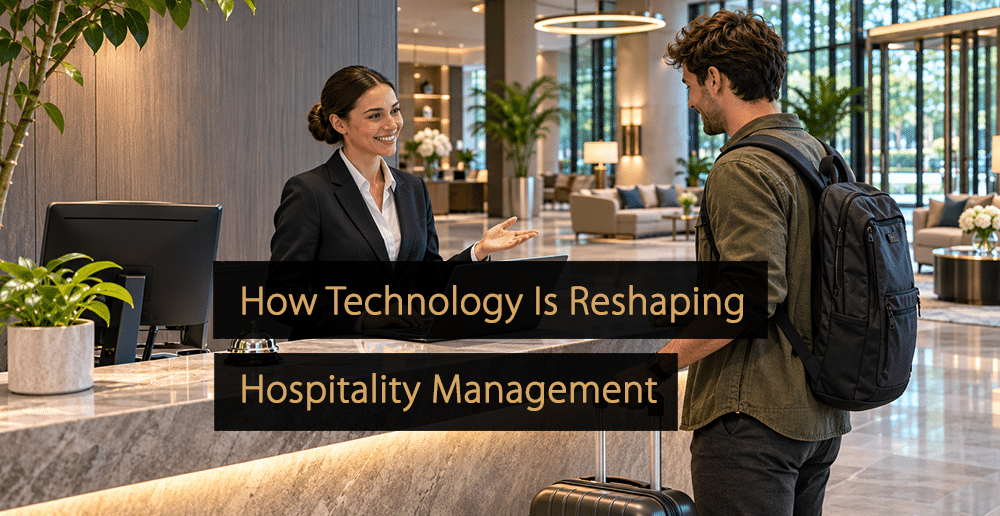
The typical hotel chain doesn’t lack technology. They have a connection issue: a PMS that doesn’t connect well with the channel manager, a POS that is late posting charges, a CRM that isn’t trusted. Every new tool promises to yield higher margins and also provides another integration to keep up.
From Standalone Systems to Connected Hospitality Stacks
The old model was a PMS server in a back office that was connected to virtually nothing. It has been replaced by cloud platforms that have open APIs, and the real shift is not in hosting; it is in data flow.
There are 6 key components to a working stack: PMS, channel manager, booking engine, POS, CRM, and revenue management. The rate is set in the revenue system and must reach all OTAs within minutes. A room service charge must be on the folio before leaving.
Imagine that you have five properties that are moving reservations to a cloud PMS, but they’re a mid-size group. Corporate has one perspective of occupancy, new rate plans are implemented in a day, not a week, and there’s no need for a property’s own server specialist. The cost is reliance – all vendors and connectors have become a part of your business, and you have less control over them.
Guest-Facing Technology That Actually Changes the Experience
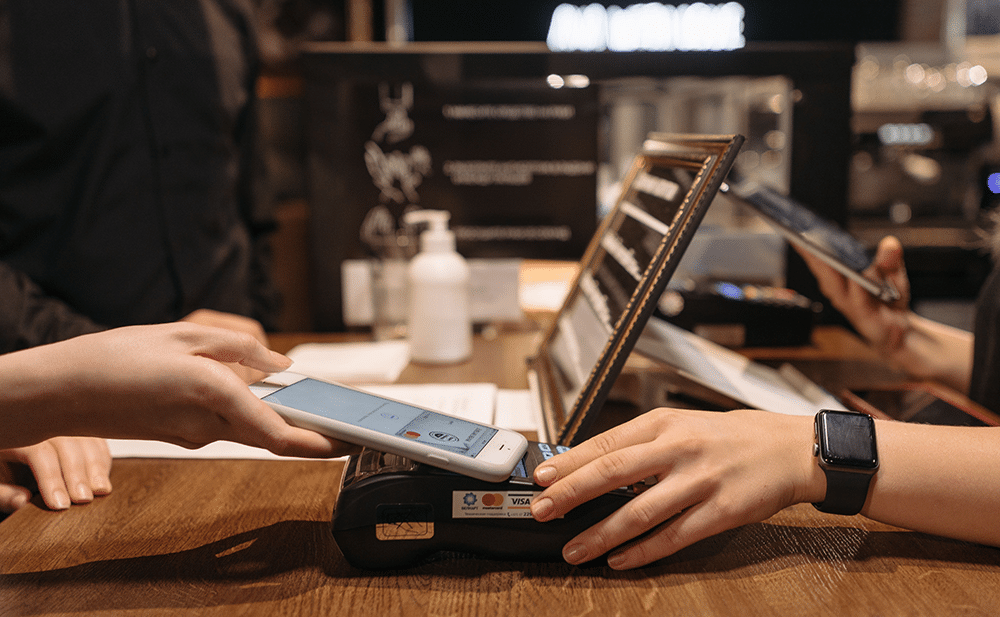
The tools that have stuck are mobile check-in, digital keys, contactless payment, and service via messaging, and the take-up rate is dependent on the guest. A business traveler arrives at 11 pm with one bag and accesses the building using a digital key.
A family at a beach resort would like to communicate with someone, inquire about their children’s club, and gather plastic cards.
Personalization is effective when it’s targeted and timely. The CRM indicates that the person is a returning guest who last time requested a high floor and late checkout, so both are provided prior to arrival. A 3-day offer upgrade is better than a desk offer that has a waiting list.
The benefits of the operation are tangible: shorter lines, desk personnel to deal with problems that require a person, fewer requests lost between shifts. But if you push self-service too far, reviews begin to state nobody was around. Some guests interpret the word automation as being indifferent.
Data, AI and Automation in Revenue and Operations
Many properties have done away with the weekly rate meeting and replaced it with dynamic pricing and demand forecasting. AI tools can also create staff schedules based on predicted occupancy, schedule housekeeping around checkout periods, and alert staff to equipment issues before they become a problem, such as an HVAC unit consuming excessive power.
Everything is based on the quality of inputs. When guests are duplicated, stay history is distorted, and when room-type codes are different across properties, the model is confused. The most detrimental missing data is missing cancellation data.
One common error: a forecast system continues to forecast 92% occupancy for weekends that fall on the 78th. Eventually, it is traced back to one OTA channel that didn’t sync back to the PMS when canceled. The model performed well on the poor data, and the property was over-staffed and had rates that were too high throughout. Individuals continue to beat the model on neighborhood occasions announced 2 weeks ahead, intricate group blocks, and reputation crises.
Integration and Reliability: The Hidden Cost of a Connected Property
Each integration is a place where a failure can occur. A 10-minute channel manager sync sells the same room twice. If you don’t collect a POS charge, it’s revenue that you don’t collect. During the 4 pm wave of arrivals, a keycard system goes offline, and a line is put out the door.
When systems are at their busiest, failures are concentrated – when they are busy, they are busy: high occupancy, holiday rate changes to all channels, mass check-ins. There is risk involved with vendor updates as well. A SaaS vendor releases a new version in the middle of the season, changes a field name in its API, and one of the integrations that was successful yesterday suddenly fails.
Mature operators treat this as release management. They stage rollouts, regression-test integrations before go-live, load-test booking flows ahead of peak periods, and keep a written rollback plan. Larger hotel groups rarely leave this to the vendor alone. Many run their own pre-release checks on booking and payment flows, or bring in independent software testing companies to validate integrations before peak season, when a sync failure costs the most.
All of this is not an IT issue. If you overbook one weekend, you will have to pay back your customers, have to pay for your guests to go to another competitor on your bill, and have to deal with reviews that will be online for years.

Making Technology Decisions That Hold Up Over Time
Don’t judge new tools based on what they have, but on how they work, including RevPAR, labor cost per occupied room, and guest satisfaction scores. It’s staff adoption that’s the true constraint. By week two, a housekeeping app that requires 6 taps to do a room gets forgotten. Training, ease of use, and frontline supervisor buy-in determine the use or workaround of a system.
Scale up or down from a baseline measurement, using the pilot at one property. When evaluating vendors, consider API openness, who owns the data if you leave, uptime history, and 11 pm Saturday support response. The properties that are rising to the top are not the most technologically advanced. They are the ones that really work in tandem.
Prior to signing up for the next platform, draw a diagram of what it needs to be connected to, who is responsible for testing the connections, and what the front desk does when a connection fails on a full night. If you can’t get an answer to that question that is clear, the tool is not ready for your property.
More Tips to Grow Your Business
Revfine.com is the leading knowledge platform for the hospitality and travel industry. Professionals use our insights, strategies, and actionable tips to get inspired, optimize revenue, innovate processes, and improve customer experience.Explore expert advice on management, marketing, revenue management, operations, software, and technology in our dedicated Hotel, Hospitality, and Travel & Tourism categories.




Leave A Comment