

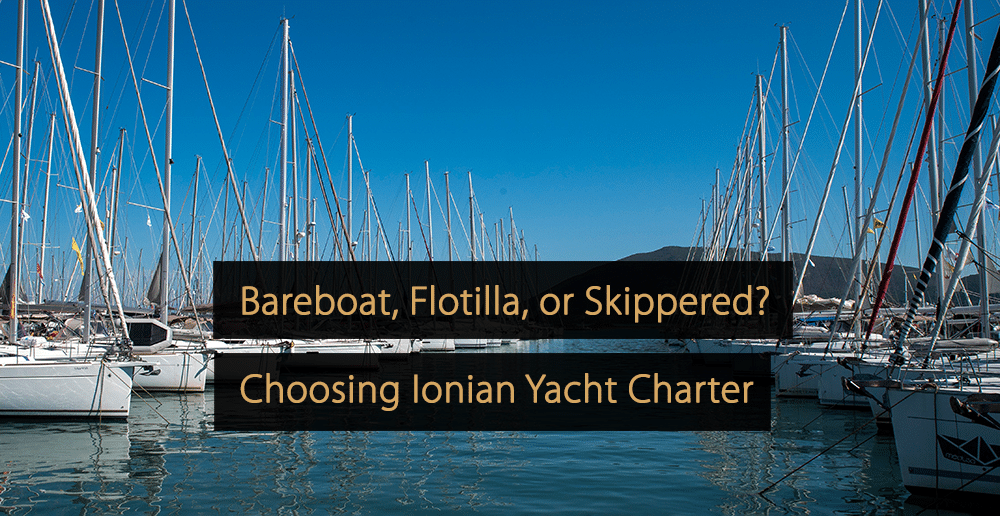
Planning a sailing holiday in Greece can feel overwhelming when you first look at the options. Bareboat, flotilla, skippered, day charter: each format suits a different kind of traveler, budget, and experience level. This guide walks you through how each charter type works in the Ionian Islands, what you need to qualify, and how to pick the option that will make your week on the water relaxed rather than stressful.
Why the Ionian Islands Suit Every Kind of Sailor
The Ionian Sea, on Greece’s western coast, is widely regarded as one of the gentlest cruising grounds in the Mediterranean. The islands sit close together, so most passages between harbors take two to four hours. The prevailing summer breeze, known locally as the maistro, tends to build gently from the northwest around midday and drop away by early evening. That predictable pattern means you can enjoy calm mornings for swimming and still have reliable wind for an afternoon sail.
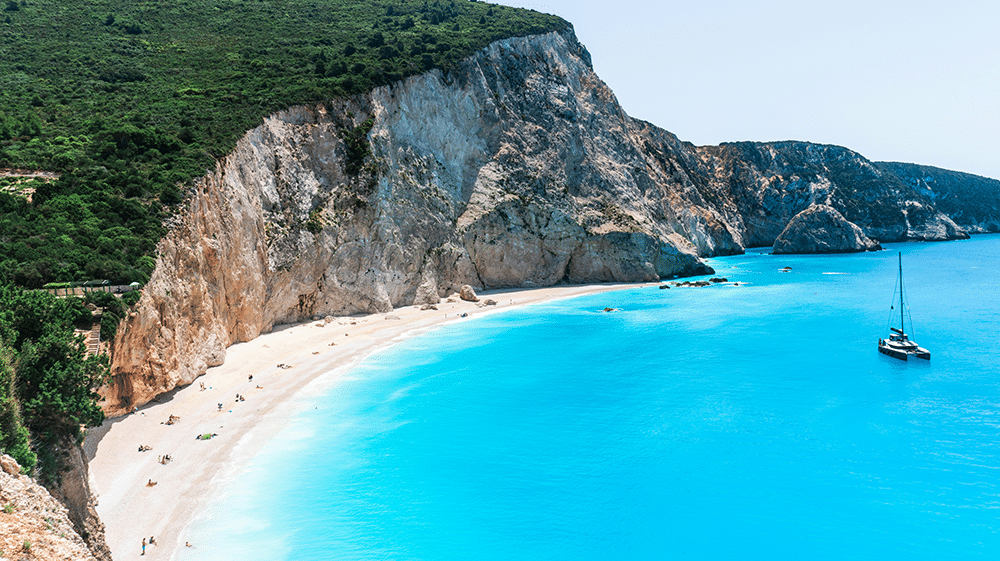
Popular stops include Lefkada, Meganisi, Kalamos, Kastos, Ithaca and the north of Kefalonia. Each island offers a mix of quiet anchorages, small village quays and tavernas that welcome visiting yachts. Because distances are short, you can tailor your route to your crew’s mood each day rather than sticking to a rigid plan.
Bareboat Charter: Full Independence
A bareboat charter means you hire the yacht without a professional crew and act as skipper yourself. You decide where to go, when to leave, and where to spend the night. It is the most flexible option and often the best value for experienced crews.
To charter bareboat, you will usually need:
- A recognized sailing qualification, such as the RYA Day Skipper or an equivalent International Certificate of Competence (ICC).
- A VHF radio license held by at least one person on board.
- A competent second crew member who can help with mooring and handling.
If you have sailed in tidal waters at home, you will find the Ionian refreshingly simple. There is no tide to speak of, navigation is mostly line-of-sight, and harbors are well marked. The main new skill to practice is Mediterranean mooring, where you reverse onto a quay and drop an anchor ahead of the boat.
Assisted Bareboat: Independence With a Safety Net
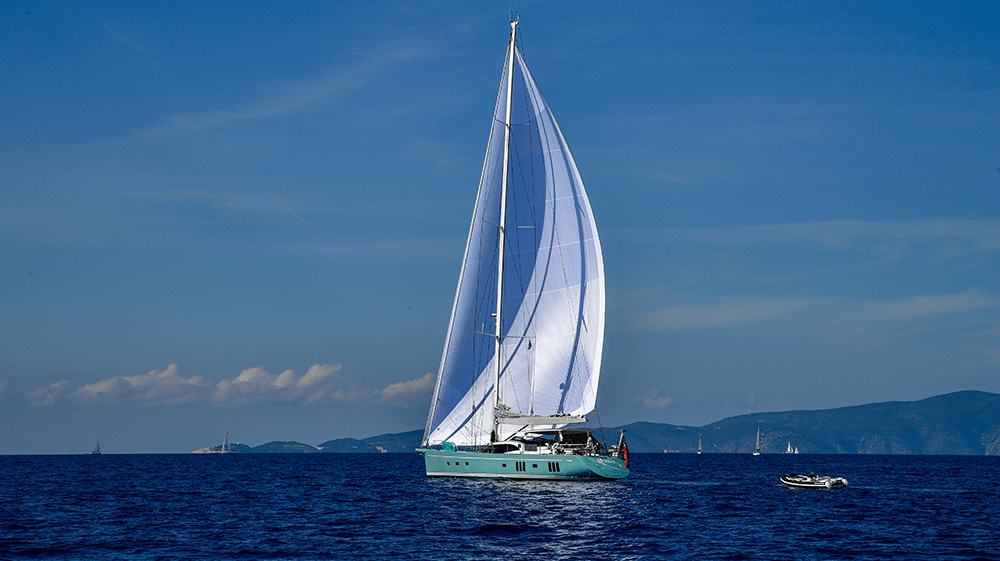
Assisted bareboat, sometimes described as flotilla-style sailing, is a middle ground between full independence and having a skipper on board. You still sail your own yacht, but you benefit from daily briefings and support from the charter team, along with help on the quay when you arrive in harbor.
This option works well if you:
- Have recently qualified and want to build confidence.
- Are sailing in Greece for the first time.
- Would like assistance with evening berthing, which is often the most stressful part of the day.
Many sailors find that a week of assisted sailing gives them the confidence to go fully bareboat the following year.
Skippered Charter: Relax and Let Someone Else Take the Helm
On a skippered charter, a professional, locally experienced skipper sails the yacht with you. You can be as involved as you like, from helming and trimming sails to simply relaxing with a book on deck. A good skipper also acts as an informal guide, recommending secluded swimming spots, family-run tavernas and the best times to visit popular bays.
Skippered charters suit families with young children, groups without a qualified skipper, and anyone who wants a stress-free holiday. They are also an excellent way to learn, since you can ask questions and practice skills under expert supervision.
Day Charters and Learn-to-Sail Courses
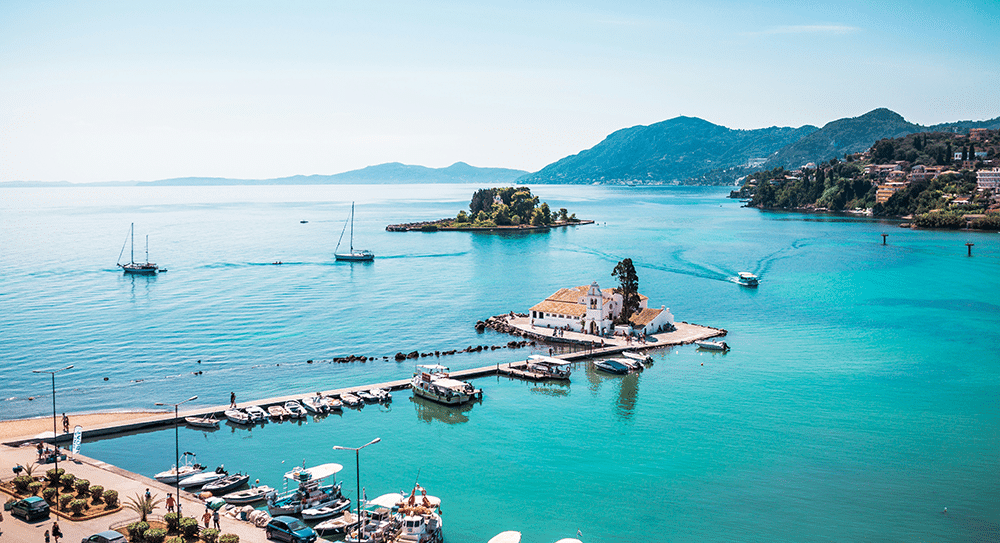
If you are staying in a villa or hotel and only want a taste of life on the water, a skippered day charter is a simple way to explore the coastline. A typical day includes a sail to nearby islands, a lunch stop at anchor, and plenty of time for swimming.
For those who want to sail independently in the future, a learn-to-sail course in warm, sheltered water is far more enjoyable than learning in colder climates. Courses often lead to recognized qualifications that you can then use to charter bareboat on later trips.
How to Choose the Right Operator
Once you know which type of charter suits you, the next step is choosing who to book with. A few practical checks will help you avoid surprises:
- Book Direct Where Possible. Working with an operator that owns and manages its own fleet, rather than an agent, means you deal with the people responsible for the yacht.
- Ask About All Costs Upfront. Clarify what is included, such as linen, outboard engines, fuel, cleaning, transit logs, and tourist taxes.
- Understand the Security Deposit. Check whether damage waiver or deposit insurance is available so you are not exposed to a large bill.
- Look At Fleet Age and Maintenance. Modern, well-maintained yachts make life on board more comfortable and reduce the chance of breakdowns.
- Check Local Support. Find out how quickly help can reach you on the water if something goes wrong.
Established operators based in the area, such as those running an Ionian yacht charter fleet from Lefkada, can also advise on itineraries, weather patterns and which harbors fill up early in peak season.
When to Go
The Ionian sailing season runs from late April to late October. May, June and September offer warm water, lighter crowds and moderate breezes, making them ideal for first-time charterers. July and August are hotter and busier, with harbors filling earlier in the afternoon, so plan to arrive by mid-afternoon if you want a quay berth. October brings quieter islands and softer light, though some tavernas begin to close towards the end of the month.
Practical Tips for Your First Week
- Pack soft luggage, which is far easier to stow on a yacht than hard suitcases.
- Bring reef-safe sun cream, a wide-brimmed hat and non-marking deck shoes.
- Plan a short first day so you can get used to the yacht before tackling longer passages.
- Keep an eye on the forecast each morning and be flexible with your route.
- Carry some cash, as smaller harbors and tavernas may not accept cards.
Choosing the right charter format is the single most important decision you will make when planning a Greek sailing holiday. Match the option to your experience and the kind of week you want, ask the right questions before you book, and you will be free to enjoy everything the Ionian has to offer.
More Tips to Grow Your Business
Revfine.com is the leading knowledge platform for the hospitality and travel industry. Professionals use our insights, strategies, and actionable tips to get inspired, optimize revenue, innovate processes, and improve customer experience.Explore expert advice on management, marketing, revenue management, operations, software, and technology in our dedicated Hotel, Hospitality, and Travel & Tourism categories.






Leave A Comment