

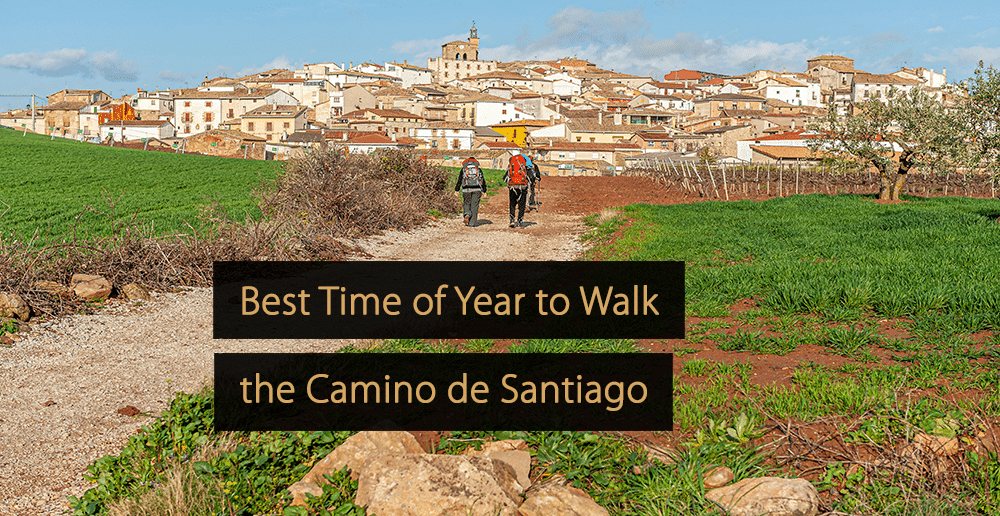
Choosing the right time of year is arguably one of the most important decisions a pilgrim makes, directly impacting everything from accommodation availability to your daily walking experience. The “best” time depends entirely on your personal priorities: avoiding crowds, enjoying the weather, or seeking solitude.
Here is a seasonal breakdown to help illustrate how different times of year shape the Camino experience.
The Sweet Spot: Late Spring and Early Autumn (May-June & September)
For most pilgrims, these months represent the optimal window to experience the Camino de Santiago in a balanced and sustainable way.
| Season | Months | Weather & Conditions | Crowd Levels | Key Takeaway |
| Late Spring | May, June | Pleasant and manageable. Days are long, temperatures are warm (averaging 15 °C- 25 °C), and the landscape is lush. Rain is less likely than in April. | Moderate. June is slightly busier than May, especially on the final section to Santiago (from Sarria). | Ideal for first-timers who want good weather and a social atmosphere without the intense summer crush. |
| Early Autumn | September | Excellent walking weather, often considered the best of the year. The scorching heat of August is gone, leaving sunny, clear days (averaging 15 °C- 23 °C). The grape harvest in regions like La Rioja adds local festivities. | Moderate to High. September is still very popular, but typically less crowded than August. | Great for those seeking comfortable temperatures and a milder social environment than peak season. |
Peak Season: The Summer Rush (July & August)
These are the busiest months, often coinciding with European holiday periods.
- Weather Challenge: Expect intense heat and sun, especially in inland regions like the Meseta (Camino Francés) and southern routes like the Vía de la Plata. Daily high temperatures can easily exceed 30∘C.
- Crowd Challenge: July and August are the busiest, with August often taking the top spot. The final 100km from Sarria will feel crowded, and the “bed race”— the anxiety of rushing to secure a spot in a municipal albergue — is most pronounced.
- Recommendation: If you must walk in summer, consider the Camino del Norte or the Portuguese Coastal Route, where sea breezes keep temperatures more tolerable. Be prepared to start walking before sunrise (as early as 5:30 AM) to avoid the midday sun.
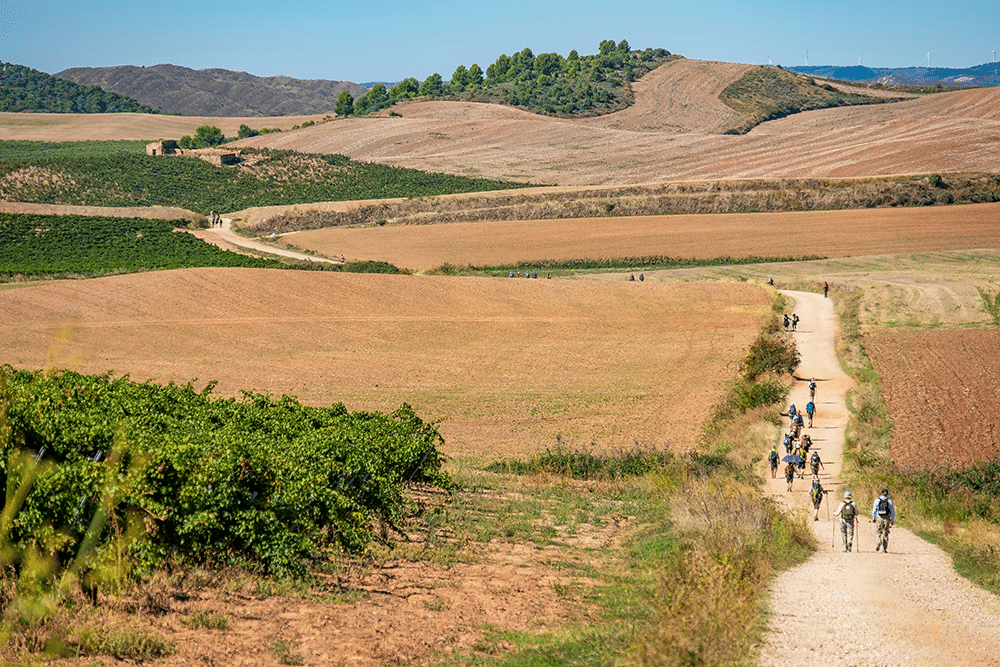
The Shoulder Season: Early Spring (March & April)
Walking in early spring offers a quieter experience but with greater weather uncertainty.
- Weather Challenge: The weather is unpredictable. You may experience beautiful, sunny days, but cold snaps, rain, and even snow in the mountainous sections (Pyrenees on the Camino Francés, or the Camino Primitivo) are possible. Nighttime temperatures are cold.
- Crowd Challenge: Lower crowds, making the experience more solitary and ensuring easier access to albergues. Easter (Semana Santa) can be a temporary, very busy exception.
- Recommendation: Good for pilgrims who prioritize solitude and can handle variable, often cold, weather. Ensure your gear (rain jacket, sleeping bag) is ready for cold and wet conditions.
The Quietest Time: Winter (November-February)
Winter is reserved for the hardy and introspective pilgrim.
- Weather Challenge: Cold temperatures, rain, and strong winds are common. Snow and ice make mountain passes dangerous or impassable. Daylight hours are significantly shorter.
- Infrastructure Challenge: Many private and almost all municipal albergues are closed for the season, making planning essential. You must rely on a handful of year-round hostels and hotels, often requiring advance booking.
- Recommendation: Only recommended for experienced hikers who seek deep solitude. You must carry more supplies, research accommodation closures meticulously, and be flexible with your route due to weather conditions.
Tips for Your Chosen Season
- If Walking in Peak Season (July/Aug): Prioritize walking early, packing a sun hat, and hydrating constantly. Consider booking accommodation ahead of Sarria if you want to ensure a bed and avoid stress.
- If Walking in Shoulder/Off-Season (Mar/Oct): Layers are essential! Pack thermal clothing and a high-quality waterproof layer. For the winter months, research which year-round albergues are open.
- Choose Your Route Wisely: The Vía de la Plata in the south is best walked in April/May or October/November to avoid extreme heat. Coastal routes (like the Camino Portugués) are pleasant in the summer. The Camino Francés is the most manageable year-round due to its infrastructure, but the Pyrenees section can close in winter.
Ultimately, the best time to walk the Camino de Santiago is when you can walk it. By matching your priorities with seasonal conditions, you can walk more comfortably, stay flexible, and fully embrace the spirit of the pilgrimage. No matter the season, the spirit of the pilgrimage remains. ¡Buen Camino!
More Tips to Grow Your Business
Revfine.com is the leading knowledge platform for the hospitality and travel industry. Professionals use our insights, strategies, and actionable tips to get inspired, optimize revenue, innovate processes, and improve customer experience.Explore expert advice on management, marketing, revenue management, operations, software, and technology in our dedicated Hotel, Hospitality, and Travel & Tourism categories.




Leave A Comment