

For decades, the standard cruise formula never changed. You built a vessel the size of an office tower, crammed four thousand people onto pool decks, and sailed south toward sunny islands. But look at booking data today, and you see something else happening. High-spending travelers are ditching warm beaches for cold spray, mountain walls, and freezing northern seas. Understanding why this happens gives anyone in travel valuable clues on where the high-margin market is actually going.
The Reality of Navigating the North Sea and Beyond
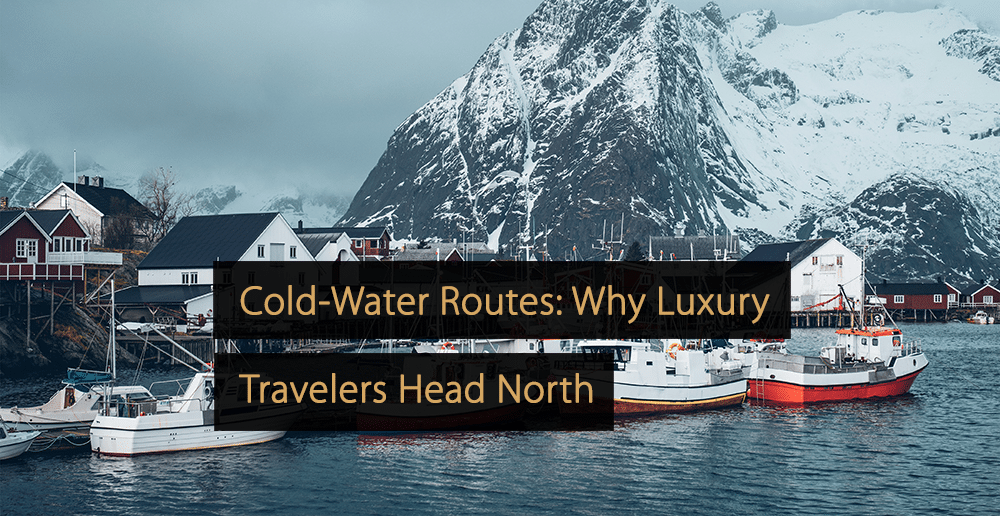
Taking a boat through northern waters is rough business. Once you leave the UK coast, skirt the Norwegian fjords, and push into sub-polar territory, the sea stops playing nice. Weather turns on a dime. Swells kick up out of nowhere. Most tiny coastal settlements have wooden piers built for fishing cutters, not five-hundred-foot steel hulls.
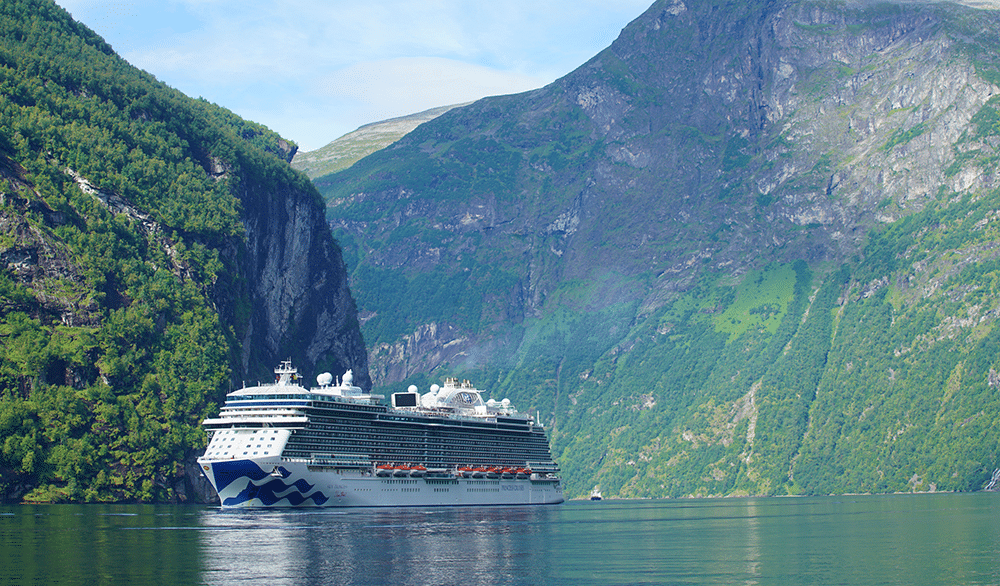
If an operator tries to run a standard mega-ship up here, the entire trip becomes a logistical drag. The ship cannot get anywhere near the coast without running aground, so it sits anchored two miles out in deep water. Guests spend hours waiting by the gangway just to catch a choppy tender boat to shore. By the time they step onto a gravel dock, half their day is already gone.
Small boats solve that whole headache. When a vessel carries fifty to eighty people, it drafts shallow. The skipper can nose straight into rocky inlets, slip past sandbars, and dodge squalls in sheltered coves where large commercial liners would rip their hulls wide open.
Why People Pay Fortunes to Freeze
It sounds counterintuitive on paper. Why would a family spend fifteen grand to wear thermal underwear instead of swimming trunks?
A few things drive that decision:
- People want genuine quiet. Nobody with a stressful day job wants to hear pool games or bad cover bands on vacation anymore; they want dead silence on an open deck.
- Sightseeing through a glass window is boring. Wealthy guests do not want to stare at ice from five decks up. They want to pull on heavy boots, hop into a rubber boat, and get hit in the face with freezing salt water.
- Individual attention actually happens. On a boat with forty berths, the galley knows who skips gluten before lunch on day one, and the deckhands know who wants a wake-up call when dolphins show up at dawn.
- Giant smokestacks in pristine fjords look awful. Modern guests notice when a boat leaves black soot over a mountain wall, and they hate being associated with it.
Northern Case Study: An Arctic Cruise to Svalbard
Head far enough north, past mainland Norway and out into the Barents Sea, and logistics get downright wild. Outside of Longyearbyen, there are simply no roads, no supply stores, and no coast guard station around the corner to fix a broken engine. The boat has to work as an entirely self-contained basecamp for two solid weeks.
When operators set up an Arctic cruise to Svalbard, keeping things running smoothly is the whole ballgame. Outfits like Aqua Expeditions build their entire model around this challenge: they give people warm staterooms, great local food, and dry spaces, but they keep the daily plan totally loose. If a scout spots pack ice clearing ten miles north, or a bear resting by a seal carcass, the captain spins the wheel and goes. You cannot do that with four thousand people on board.
A few basic operational habits make these northern runs work:
- Guides who know the territory. The people driving the tender boats are not seasonal college kids reading scripts. They are geologists, biologists, and locals who carry rifles for bear protection, hike scree slopes by day, and chat with guests over coffee at night.
- Scrubbing every piece of gear. Before anyone touches a gravel beach, their rubber boots get dunked in disinfectant. When they step back on the boat, it happens again. You take zero seeds onto the tundra, leave zero trash behind, and never touch the moss.
- Small hulls near the ice. A shallow boat moves quietly through floating slush without throwing huge wakes that knock birds off sea cliffs or wash resting seals into the drink.
What You Can Use in Your Own Business
You do not need an ice-class boat or a radar rig to borrow this mindset. Any boutique hotel, private tour company, or retreat lodge can run the exact same play:
- Cut the headcount, jack up the price. Taking fewer guests with double the attention feels risky until you look at the balance sheet. Lower headcounts mean less operational chaos, fewer refunds, and guests who happily pay for exclusivity.
- Hire real hobbyists. A receptionist who fishes local rivers on weekends adds ten times more flavor to a guest’s stay than a printed booklet ever could.
- Keep menus tight and local. Ditch the fifteen-page menu with frozen fish. Cook four dishes really well, buy from growers you actually know, and serve it hot.
- Wipe out travel friction. Hand someone a hot drink the minute they walk in from a wet trail, take their bags to their room without being asked, and make sure the shuttle runs early.
High-latitude expedition travel proves that people gladly trade traditional luxury for raw access, real human service, and quiet surroundings. Bring those same grounded habits into your own operation, and you will build a loyal client base that books year after year.
More Tips to Grow Your Business
Revfine.com is the leading knowledge platform for the hospitality and travel industry. Professionals use our insights, strategies, and actionable tips to get inspired, optimize revenue, innovate processes, and improve customer experience.Explore expert advice on management, marketing, revenue management, operations, software, and technology in our dedicated Hotel, Hospitality, and Travel & Tourism categories.




Leave A Comment