



What Makes a Hotel Lobby Design Unforgettable?
Before choosing a single chair, the most successful hotels right now decide exactly who is meant to walk through that door. Not a generic traveler, but someone specific: the freelancer who works from cafés, the couple who reads design magazines on the sofa, the guest who wants a version of home only more considered. Furnishing a lobby well is an act of recognition, a room built so that the right person sees it and understands,

Beyond the Harbor: Exploring the Hidden Corners of Hvar Town
Hvar Town is often described as the crown jewel of the Adriatic, and anyone who has strolled through its marble streets understands why. Beyond the postcard views of the harbor lined with yachts and the imposing Spanish Fortress overlooking the bay, the Old Town hides a maze of stone alleys, quiet courtyards, and centuries-old architecture that most day-trippers never discover. Beyond St. Stephen’s Square Most visitors begin at St. Stephen’s Square, the largest square in
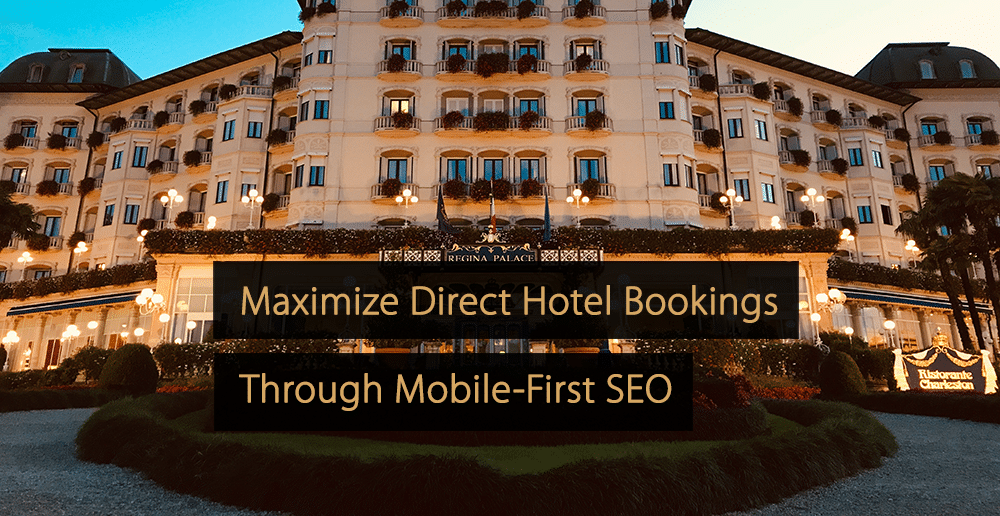
Maximize Direct Hotel Bookings Through Mobile-First Web Design and SEO
Direct hotel bookings give properties greater control over revenue, guest relationships, and long-term profitability. As travelers increasingly search and book on smartphones, hotels need websites that load quickly, rank well, and make reservations effortless on smaller screens. A mobile-first web design strategy, supported by technical SEO, can help properties reduce reliance on online travel agencies, improve organic visibility, and convert more high-intent visitors into direct guests with greater confidence online. Why Mobile-First SEO Is Essential

Hotel Rate Shopping: 8 Reasons Competitor Rate Data Is Wrong
Rate shopping is the practice of collecting the published rates of competing hotels across the channels where guests actually book, so that pricing decisions rest on the live market rather than on last year's assumptions. Nearly every revenue management system now includes it, and nearly every revenue manager has at some point been shown a competitor rate that turned out to be wrong. The data is rarely wrong because a system is broken. It is

How Do Hotels Build a Corporate Sales Strategy
Hotels build a corporate sales strategy by identifying companies with recurring room night demand, negotiating rates that maintain both volume and yield, and managing those accounts as a portfolio rather than a stack of one-off RFP responses. A hotel corporate sales strategy is the organized plan a property uses to win, price, and grow bookings from corporate travel programs. Key Takeaways: Corporate business is won through account management discipline, not through offering the deepest discount in the RFP tool. A negotiated rate only creates value when the account fills midweek and shoulder periods you would not otherwise sell. Preferred

How Can a Hotel AIO Strategy Get Your Property in AI Answers
Hotel AI search optimization is the practice of making a property's website, listings, and public facts easy for AI search systems to discover, interpret, verify, and cite. A hotel AIO strategy turns that practice into a repeatable operating process. It helps your hotel earn visibility in conversational answers without replacing proven search engine optimization. Key Takeaways: Hotel AI search optimization extends SEO by governing every machine-readable signal describing your property. A hotel AIO strategy

What Makes a Hotel Lobby Design Unforgettable?
Before choosing a single chair, the most successful hotels right now decide exactly who is meant to walk through that door. Not a generic traveler, but someone specific: the freelancer who works from cafés, the couple who reads design magazines on the sofa, the guest who wants a version of home only more considered. Furnishing a lobby well is an act of recognition, a room built so that the right person sees it and understands,

Vacation Rental Property Management Software Guide
A successful vacation rental business depends on efficient operations, accurate bookings, and consistent guest communication. As your business grows, managing reservations, availability, guest messages, payments, and booking channels manually can quickly become time-consuming. The right technology can bring these processes together and make your day-to-day operations easier to manage. What

What to Pack for Okinawa: A Traveler’s Season-by-Season Checklist
Here is the first thing you should know before you fly south to Okinawa: whatever you would normally pack for "Japan," you may need to rethink. Okinawa is not Tokyo, and it is not Kyoto. It sits far to the south in the subtropics, closer in feel to a Pacific

How to Choose the Best Vacation Rental Channel Manager
Choosing the right channel manager is one of the more important technology decisions a growing vacation rental business will make. As soon as a property is listed on more than one booking platform, keeping calendars, rates, and availability aligned becomes a daily task, and the tool you rely on to