

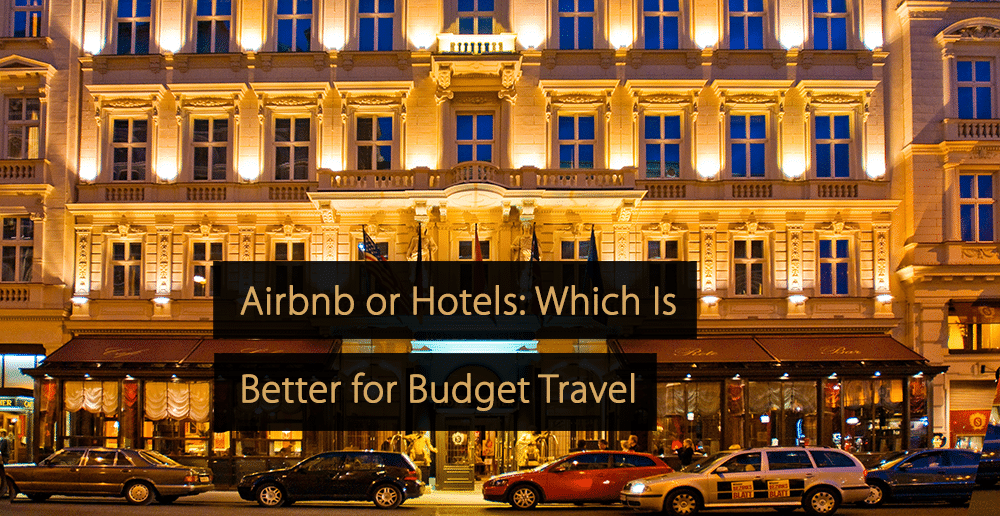
Accommodation is often one of the biggest expenses when traveling. The total cost of a trip also depends on meals, transportation, and activities. This doesn’t even include the occasional holiday entertainment. Many choose Airbnb because they feel it’s cheaper, but is it really the better option for budget travel? Find out which option is more suitable for budget travel based on costs, amenities, location, and flexibility.
Which Option Has a Lower Cost?
When comparing both Airbnb and hotels, the costs usually depend heavily on some variables. Where you’re traveling, how long you’re staying, and how many people are in your group all matter.
Airbnb tends to offer better value for groups and longer stays. Hosts can give weekly or monthly discounts. A 30-day stay with discounts applied might bring the nightly rate down by 43%, which is perfect for those who are chasing budget options for their group to stay.
For solo travelers or short trips, the math is a bit different. Airbnb charges a service fee, which can make a reasonable listing noticeably more expensive. With hotels, you typically don’t see such fees, but they have their own add-ons. Additional services like breakfast or parking will add up on top of the nightly rate.
All of these fees vary by property. So, it’s worth reading what’s included before comparing prices at face value.

What Are the Amenities Like?
When you book an Airbnb apartment, it typically comes with amenities you’d find at home. You get access to a kitchen, refrigerator, washing machine, and separate living spaces. A kitchen would allow you to cook your own meals, meaning you wouldn’t have to pay extra to eat out every day of your stay. You can also pack lighter, since you’re not dependent on hotel laundry services.
Keep in mind that this applies to entire-apartment listings. If you book a private room in a shared Airbnb, access to the kitchen, washing machine, and other facilities is at the host’s discretion. While some hosts will welcome it, others may set limits or charge extra.
Hotels, however, offer a different kind of convenience. Many include daily housekeeping, on-site dining, luggage storage, and 24/7 reception. Higher-end properties may also have gyms, swimming pools, or spa facilities included, though those amenities usually come with a higher price tag attached.
Often, both will have Wi-Fi options. And unlike a spa or a pool, it’s the one most travelers can’t afford to be without. Yet connection quality can vary wildly at both. A listing may include Wi-Fi, but there’s no guarantee it will be fast or uninterrupted. If you’re working remotely while traveling in the Swiss Alps, for example, using an eSIM for Switzerland acts as a backup for potentially unreliable Wi-Fi and lets you avoid astronomical roaming charges.
Does the Location Affect the Budget?
Where your stay is located can have a bigger impact on your total trip cost. If your accommodation is far from the places you want to visit, you’ll spend more on taxis or rideshares to cover that gap.
Budget Airbnb listings are often found in residential neighborhoods. A quieter stay sounds great, but that also means a longer commute to city attractions. That said, this varies a lot by city and by listing. Some Airbnbs are right in the center, while others require a 40-minute bus ride. The key is to check the exact address and map out the transit options before booking, rather than assuming either way.
Hotels follow a similar pattern. Many are clustered near city centers, airports, and transit hubs, which makes getting around easier and cheaper. But budget hotels, in particular, are often located further out to keep nightly rates lower. However, when you add up the transportation costs, a hotel that’s located further could actually be more expensive.
That’s where you need to compare the exact options and do your due diligence about the listings.

How Does Flexibility Differ for Both?
You’ll find more flexibility in hotels, especially when it comes to check-ins and check-outs. Reception staff are available around the clock, and standard check-in times apply. Many hotels also offer luggage storage for guests arriving early or departing late.
Airbnb works differently. Check-in depends on when the previous guest has left and the property has been cleaned, which means the stated check-in time can shift later than expected.
You’ll communicate with hosts often through the app, so there’s no front desk to call if something goes wrong on arrival. Late-night arrivals can also come with added charges if the host needs to arrange access outside of normal hours.
Which Accommodation Is Cheaper Once You Add Everything Up?
An Airbnb with a full kitchen can noticeably reduce your food costs. However, cleaning fees can significantly reduce those savings, particularly for shorter stays.
A hotel that includes breakfast and sits near a metro stop may cost more per night but end up cheaper once you stop factoring in taxis and restaurant bills.
So the honest answer is that neither option is universally cheaper. Both Airbnb and hotels can be good options for budget travel, but your choice depends on your group size, trip length, and the amenities you actually need. Consider what you’ll really use while you’re there, and prioritize places that keep transportation costs to a minimum.
Airbnb and hotels can both suit budget travelers, but the better choice depends on trip length, group size, location, fees, and included amenities. Compare the full cost of each option before booking to find the stay that offers better value.
More Tips to Grow Your Business
Revfine.com is the leading knowledge platform for the hospitality and travel industry. Professionals use our insights, strategies, and actionable tips to get inspired, optimize revenue, innovate processes, and improve customer experience.Explore expert advice on management, marketing, revenue management, operations, software, and technology in our dedicated Hotel, Hospitality, and Travel & Tourism categories.




Leave A Comment