

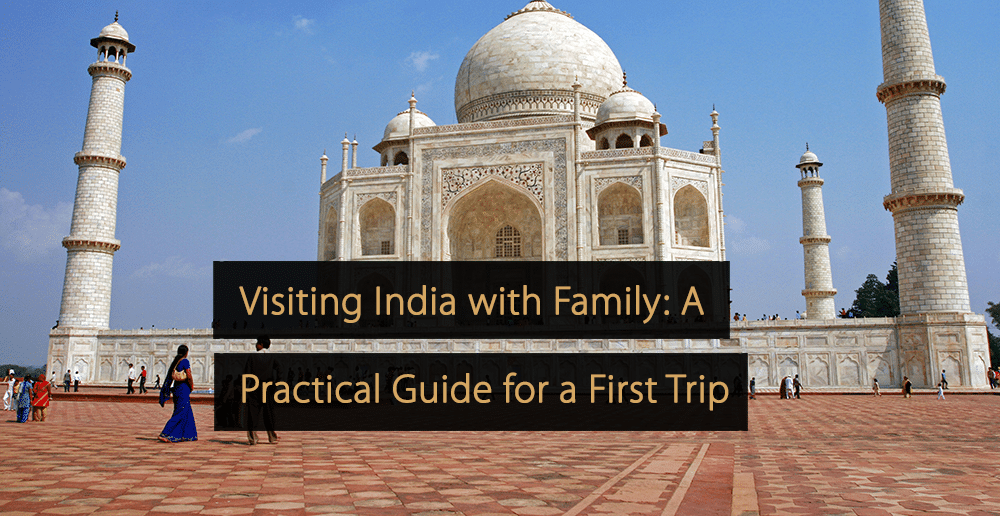
India rewards families with palaces, wildlife, beaches, colorful markets, and meals that turn dinner into an event. It also punishes overambitious itineraries with traffic, heat, and children who have seen enough forts for one lifetime. The secret is choosing one region rather than attempting to cross the country in ten days. The right places to visit in India with family depend primarily on the season and children’s ages.
Choose One Manageable Region
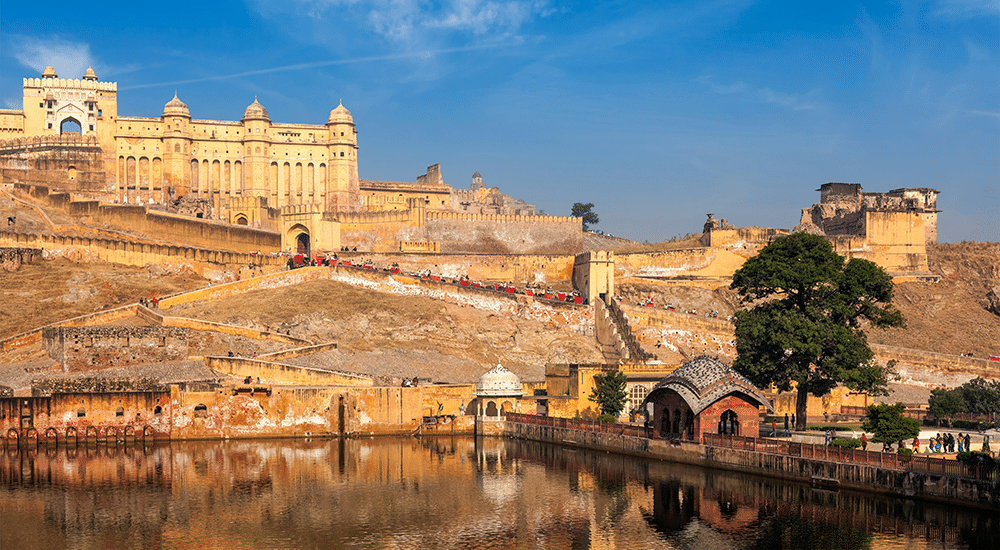
For a first visit with school-age children, the Golden Triangle connects Delhi, Agra and Jaipur without requiring domestic flights. Allow at least eight days: three nights in Delhi, one or two in Agra and three in Jaipur, plus time for transfers. Delhi introduces Mughal monuments, markets and modern India; Agra provides the Taj Mahal and Agra Fort; Jaipur adds Amber Fort, the City Palace and Jantar Mantar, whose enormous astronomical instruments are easier for children to understand than another gallery of unidentified royal furniture.
These are among India’s most famous family destinations, but visiting every major monument is unnecessary. At the Taj Mahal, arrive near opening time to avoid the strongest heat and larger tour groups. In Jaipur, combine one palace with a hands-on activity such as block printing or a food workshop. When choosing the best hotels in India for this route, prioritize a reliable airport transfer and a quiet room over a grand lobby beside a congested road.
Choose Kerala for a Slower Family Holiday
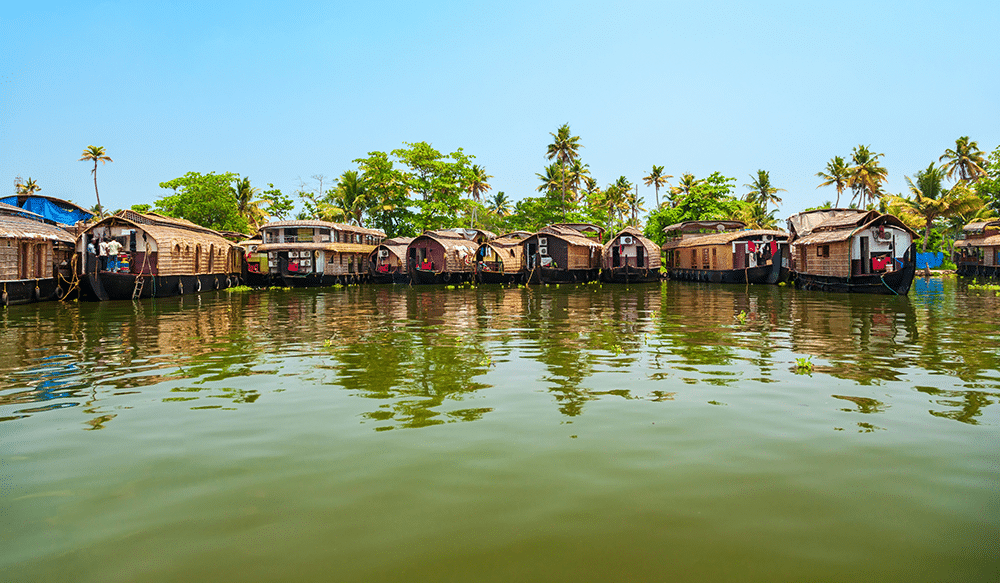
Kerala works better for families wanting scenery and wildlife without the sensory intensity of several northern cities. A practical ten-day route combines Kochi, the tea country around Munnar and the backwaters near Kumarakom or Alappuzha. Limit the trip to three bases: winding roads make short distances slower than they appear. Kochi’s old trading district provides Chinese fishing nets, colonial buildings and performances of Kathakali, while Munnar replaces traffic with tea estates, waterfalls and cooler mountain air.
An overnight houseboat is memorable, but families with toddlers should check railings, cabin security and whether life jackets are available in children’s sizes. A lakeside hotel with a daytime cruise may be the easier alternative. Kerala is one of the best places to visit in India with family from roughly November to March; the southwest monsoon generally affects the state from June. Some family-friendly rural resorts are quite isolated, making full-board or half-board more valuable than it would be in Kochi.
Choose Goa for an Uncomplicated Beach Break
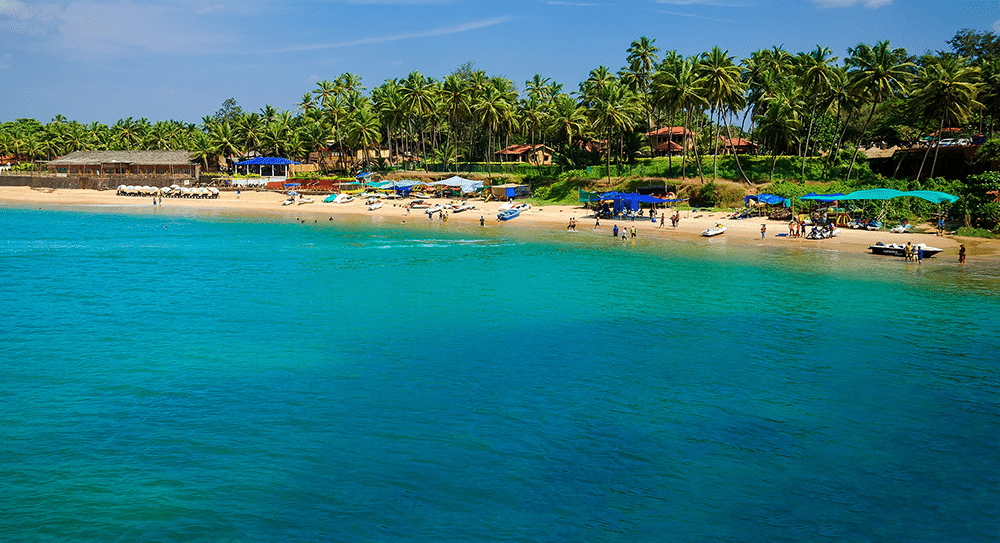
Goa suits families that want one base and occasional excursions. South Goa is generally calmer and more resort-focused, while North Goa provides busier beaches, markets and nightlife. Before booking, examine the exact beach rather than trusting “Goa beachfront” as a complete description. Swimming conditions, currents and seasonal lifeguard coverage vary. November to March usually offers the most dependable beach weather; the monsoon brings rougher seas, heavy rain and reduced operation at some seasonal businesses.
Goa should not be reduced to a swimming-pool holiday. Old Goa contains the Basilica of Bom Jesus and Sé Cathedral, while Panaji’s Fontainhas district preserves colorful Portuguese-influenced houses. A spice plantation visit can make India’s famous food easier for children to understand by showing where pepper, cardamom, and other ingredients grow. Among the best hotels in India, Goa’s family resorts often advertise clubs and water sports, but both may operate only at specified ages, hours, or seasons.
Add Wildlife Without Promising a Tiger
Older children may enjoy Ranthambore National Park, particularly when it is added between Jaipur and the return journey rather than treated as a separate expedition. Two safari drives provide a more realistic opportunity to see wildlife than a single rushed visit, but tiger sightings are never guaranteed. Deer, langurs, crocodiles, birds and the ruined fort landscape still make the experience worthwhile. Early drives can be cold during winter, so pack layers even when the daytime forecast appears warm.
Wildlife areas can be rewarding for families, but accommodation location matters because park gates and safari zones may involve lengthy transfers. Ask the hotel which entrance serves the booked zone and how early departure is required. The strongest safari hotels provide breakfast boxes, suitable vehicles, and clear information rather than implying that a tiger has signed an appointment for Tuesday morning.
Plan Around Climate, Not School Holidays Alone
Northern India is most comfortable for many families between October and March, although December and January can bring cool mornings and fog that disrupts transport. April and May are intensely hot across many inland destinations. Goa and Kerala are strongest for a winter escape, while Himalayan regions follow completely different seasonal patterns. India’s southwest monsoon broadly runs from June to September, but rainfall timing and intensity vary enormously by state.
If school dates force a hot-season visit, reduce sightseeing and choose accommodation with a dependable pool and indoor space. Visit monuments early, rest after lunch, and return outside later. This rhythm makes major places to visit in India with family enjoyable instead of turning them into heat-management exercises. Many hotels advertise air conditioning, but recent reviews should confirm that it works consistently and that backup power is reliable.
Choose Rooms for How Families Actually Sleep
Never assume that a “family room” contains separate beds or enough space for four people. Request the precise bed configuration, room dimensions, and photographs. Ask whether connecting rooms are guaranteed or merely requested; “subject to availability” is risky when younger children cannot sleep alone across a corridor. Confirm the availability of lifts, cots, stair gates and pool supervision where relevant.
The best hotels in India for your family may be a well-run mid-range property with adjoining rooms rather than a palace hotel charging for two distant suites. In city centers, double glazing and a room away from wedding venues can matter more than a decorative courtyard. When comparing family destinations across India, also calculate the drive from the hotel to the principal sights. Saving money outside Jaipur can mean spending the difference on daily transport. While comparing accommodation on O Hotel, look beyond generic hotel lists and check room layout, transfer times, pool safety, and nearby restaurants.
Make Food Part of the Trip Without Creating Unnecessary Risk
There is no single list of India’s famous food because every region has its own cooking. Delhi offers chaat, kebabs and butter chicken; Rajasthan is known for dal baati churma and gatte ki sabzi; southern breakfasts include dosa and idli; Goa adds fish curry, rice and Portuguese-influenced dishes. A thali is particularly useful for families because everyone can sample several preparations without ordering numerous full portions.
Choose busy restaurants with good turnover and food cooked fresh and served hot. Drink sealed bottled or properly filtered water, including when brushing teeth if local guidance recommends it, and be cautious with raw garnishes or pre-cut fruit. Ask for food to be prepared with less chili rather than requesting “not spicy,” which can be interpreted creatively. Exploring India’s famous food should be enjoyable, but carrying oral rehydration sachets is considerably wiser than trusting the family stomach to diplomatic goodwill.
Keep Transport Simple
For the Golden Triangle, a private car with a professional driver can be easier than arranging separate transfers, especially with luggage. Confirm that seat belts work in every seating position and request appropriate child seats in advance; availability and quality vary. Trains can be memorable, but reserve suitable classes early and avoid tight connections. Domestic flights save time across long distances but add airport procedures and baggage restrictions.
Every traveler, including each child, requires the correct passport and visa documentation. Submit applications only through the official Indian visa system and check the permitted arrival airport and validity dates before buying non-refundable travel. Ultimately, the best family destinations are those that leave time to notice them. The best hotels in India support that slower rhythm with comfortable rooms and reliable logistics, not another rushed departure before breakfast.
India can be an exceptional family destination when the itinerary matches the season, children’s ages, and realistic travel times. Choose fewer bases, practical accommodation, safe transport, and flexible plans so everyone has time to enjoy the country without unnecessary pressure.
More Tips to Grow Your Business
Revfine.com is the leading knowledge platform for the hospitality and travel industry. Professionals use our insights, strategies, and actionable tips to get inspired, optimize revenue, innovate processes, and improve customer experience.Explore expert advice on management, marketing, revenue management, operations, software, and technology in our dedicated Hotel, Hospitality, and Travel & Tourism categories.





Leave A Comment