

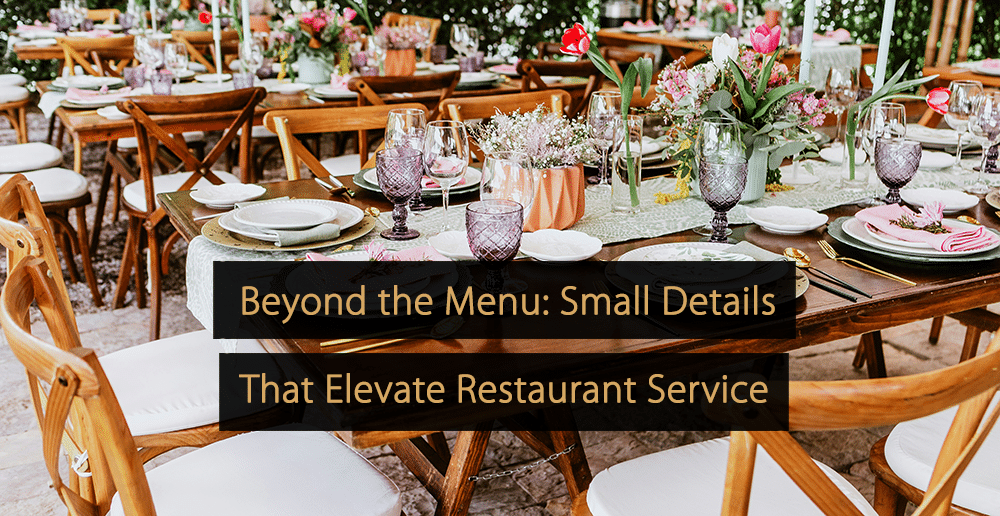
A memorable restaurant experience is rarely defined by food alone. While the quality of dishes remains the foundation of any successful hospitality business, guests also notice how they are welcomed, seated, served, and guided through their visit. From the presentation of the menu to the way the final bill is delivered, every interaction can influence how customers perceive a restaurant.
For restaurant owners and hospitality professionals, these smaller details represent an opportunity to create a more polished and consistent service experience. Thoughtful table accessories, refined presentation, and practical service tools can help transform routine interactions into moments that feel intentional.
The Guest Experience Starts Before the First Bite
Guests begin evaluating a restaurant almost immediately. The entrance, lighting, furniture, table settings, staff appearance, and menu all contribute to their first impression. Once seated, customers interact with several physical elements throughout their visit. They may handle a menu, use a table display, move a coaster, or examine a bill holder. Each of these objects becomes part of the overall experience.
This does not mean every accessory needs to be luxurious or heavily branded. The goal is consistency. When functional products complement the restaurant’s interior and concept, the environment feels more considered.
A modern cafe may benefit from clean acrylic displays and minimalist table accessories. A traditional restaurant could use natural wood, while an upscale venue might incorporate leather and sophisticated finishing details.
Menu Presentation Sets the Tone
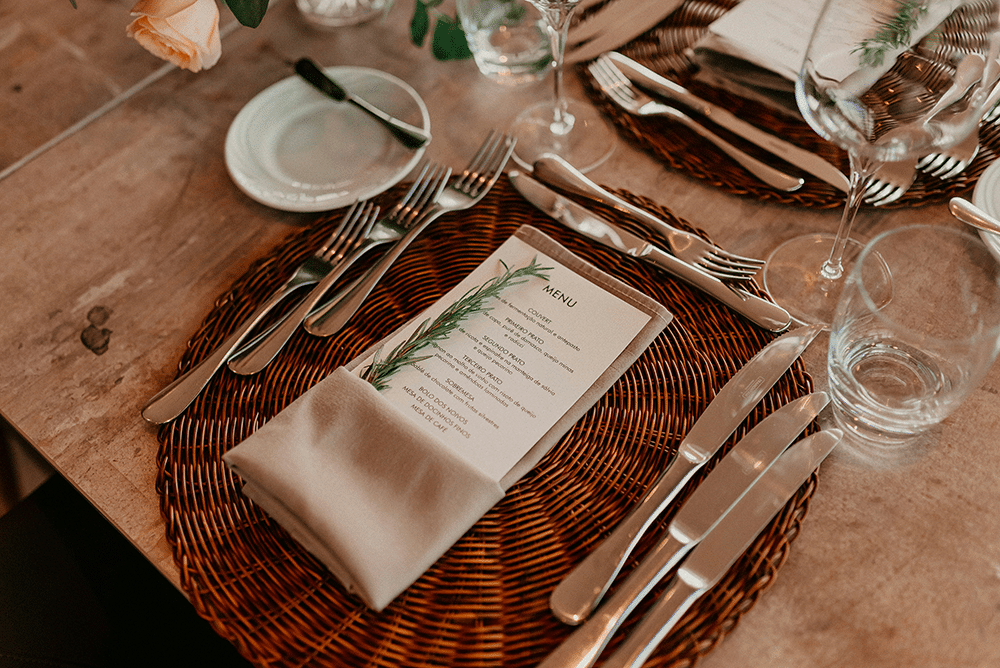
The menu is often one of the first physical objects a guest interacts with after sitting down. Its appearance can influence expectations about the restaurant before the customer chooses a dish.
A menu with high-quality materials, clear organization, and a design that reflects the interior can immediately communicate professionalism. On the other hand, worn, poorly maintained, or visually inconsistent menus can weaken an otherwise impressive environment.
Restaurants should consider several factors when selecting menu presentation products:
- Material and texture
- Durability and ease of maintenance
- Branding opportunities
- Menu format and size
- Compatibility with the restaurant interior
The right menu presentation does not need to be complicated. A well-made cover with subtle branding can often create a stronger impression than excessive decorative elements.
Table Accessories Connect Design With Function
Table accessories are another important part of restaurant presentation. Items such as placemats, coasters, napkin holders, table signs, and menu holders serve practical purposes while contributing to the visual identity of the venue.
When these elements are selected as a coordinated group, they can create a stronger sense of unity throughout the dining area.
For example, a restaurant may combine leather placemats with matching menu covers and bill holders. Another venue might use wooden table stands alongside wooden menu holders to support a natural interior concept.
The key is to think about the table as a complete composition rather than a collection of unrelated objects.
The Final Interaction Matters
The end of a meal is one of the last moments a guest experiences before leaving. This makes the payment process more important than it may initially appear.
A poorly presented bill can create an abrupt or purely transactional ending to an otherwise carefully designed experience. A refined check presenter, by contrast, can make the payment process feel like a natural part of the service.
The check presenter does not need to attract attention. Its purpose is to present the bill in a practical and professional way while complementing the restaurant’s style.
For premium establishments, details such as leather texture, stitching, logo embossing, or custom finishing can help reinforce the quality associated with the rest of the dining experience.

Materials Influence Guest Perception
The materials used throughout a restaurant can create subtle psychological associations. Natural materials often communicate warmth and authenticity, while polished surfaces can suggest modernity and precision.
Leather can introduce a sophisticated tactile quality to menus, bill holders, and other tabletop products. Wood can make a dining space feel more organic and welcoming. Acrylic can provide a clean and contemporary appearance, particularly in modern cafes, hotels, and restaurants.
Consistency is particularly important. If the interior uses premium natural materials but the table accessories look inexpensive or generic, the contrast may be noticeable. Choosing accessories that share similar visual and tactile characteristics can help create a more cohesive environment.
Small Branding Details Can Make a Difference
Branding does not always need to be prominent. In hospitality, subtle details can often create a more sophisticated result.
A logo can be embossed discreetly into a leather accessory. A restaurant’s signature color can appear on a placemat or menu cover. A custom shape can make a table sign instantly recognizable.
Effective personalization can include:
- Embossed or engraved logos
- Custom colors and finishes
- Bespoke dimensions
- Coordinated materials
- Unique shapes or construction
- Consistent branding across multiple accessories
The objective is to make the restaurant feel distinctive without making the environment appear overly promotional.
Practicality Should Never Be Forgotten
Beautiful design is valuable, but restaurant accessories must also work in a demanding operational environment. Products are handled repeatedly, cleaned regularly, and moved by staff throughout the day.
Restaurant owners should therefore consider how each accessory performs in everyday service.
Is it easy for staff to use? Can it withstand frequent handling? Is it simple to maintain? Does it fit comfortably on the table? Can branding remain attractive after prolonged use?
Answering these questions before purchasing can prevent design choices from creating operational difficulties later.
Custom Products for a Distinctive Experience
Standard products can be an effective solution for many businesses, but custom manufacturing offers additional flexibility. Restaurants can adapt dimensions, materials, colors, branding, and finishing details to suit their particular requirements.
This can be especially valuable for businesses with distinctive interiors or strong brand identities. Instead of trying to make a standard product fit the concept, a custom solution can be developed around the existing design.
Custom accessories can also help hospitality groups maintain consistency across multiple locations. Coordinated products create a recognizable visual identity while allowing individual venues to maintain their own character.
Every Detail Contributes to the Experience
Great restaurant service is built from a combination of food, hospitality, atmosphere, and attention to detail. Guests may not consciously remember every accessory they interacted with, but these elements contribute to the overall impression they take away.
The menu they received, the way the table was arranged, the materials surrounding them, and the presentation of the bill all form part of the same experience. For restaurant owners, improving these details does not necessarily require a complete redesign. Sometimes replacing a few generic products with better-designed, coordinated alternatives can have a meaningful impact.
The strongest hospitality brands understand that service extends beyond delivering food to the table. Every interaction is an opportunity to communicate professionalism and care. From the first glance at the menu to the final payment, thoughtful details can make service feel smoother, more cohesive, and more memorable.
When practical products are designed with the guest experience in mind, they become more than simple operational tools. They become part of the atmosphere, part of the brand, and ultimately part of what makes a restaurant worth remembering.
Restaurant service extends far beyond the food itself. Thoughtful menus, coordinated table accessories, durable materials, subtle branding, and refined bill presentation can strengthen guest perception, support daily operations, and create a more consistent, professional, and memorable dining experience.
More Tips to Grow Your Business
Revfine.com is the leading knowledge platform for the hospitality and travel industry. Professionals use our insights, strategies, and actionable tips to get inspired, optimize revenue, innovate processes, and improve customer experience.Explore expert advice on management, marketing, revenue management, operations, software, and technology in our dedicated Hotel, Hospitality, and Travel & Tourism categories.


Leave A Comment