

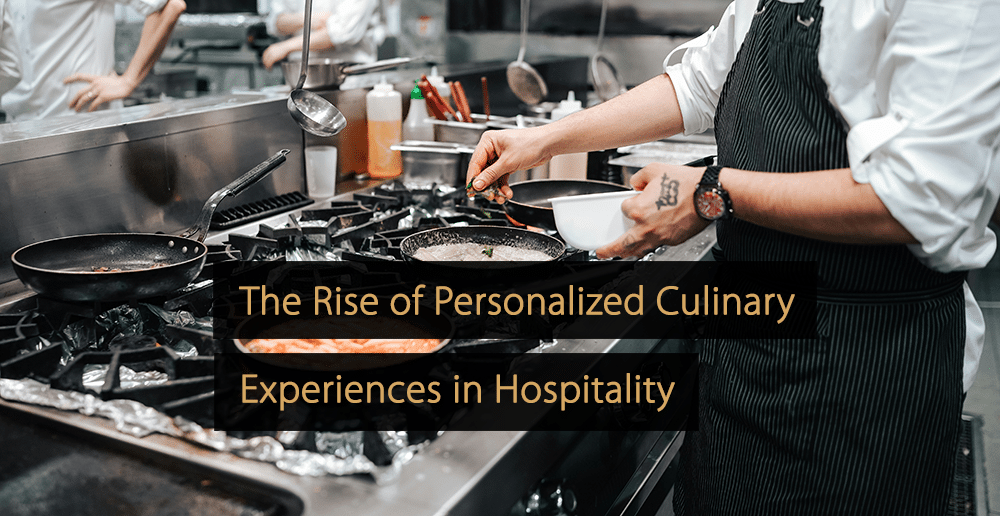
Luxury hospitality is evolving beyond the idea that a five-star stay can be delivered through the same polished routine for every guest. Today’s luxury traveler increasingly values recognition, a sense that a property understands the reason for the trip, remembers individual preferences, and creates moments that could not be copied from a standard operating manual. And it is this shift that is fundamentally changing how properties define exceptional service.
Where Luxury Meets Personal Taste
Dining is especially suited to this evolution. Food can reflect a guest’s culture, dietary requirements, wellness goals, favorite ingredients, schedule, and the occasion being celebrated. Whether the meal is a recreation of a familiar breakfast routine or a dinner inspired by a guest’s connection to a destination, the inclusion of personalized elements can make the overall experience feel more luxurious than a generic menu filled with expensive ingredients. This is why bespoke services, such as private chefs and high-touch hospitality events, are becoming an important strategy for providers in improving guest satisfaction.
From Luxury Dining to Personalized Culinary Experiences
Traditional luxury dining has often been defined by abundance and excellence, foregrounding elements such as rare ingredients, highly trained teams, impressive dining rooms, formal choreography, and a celebrated chef. However, in the wake of this opulence, guests have started to increasingly ask a more personal question: “Was this experience created with me in mind?” This change reflects the wider move toward personalized hospitality.
The answer may involve a tasting menu tailored to dietary preferences, a private table, a local dish aligned with the guest’s interests, or a service style that is knowledgeable without being intrusive. It may also mean changing meal times for a family or designing a beverage pairing around low-alcohol or alcohol-free preferences. The food remains central, but relevance to the guest becomes part of the overall quality.
This reflects a broader luxury principle: anticipating needs rather than merely responding to requests. A guest should not need to repeat an allergy or explain a celebration. Thoughtful use of information makes service feel effortless. The goal is to make the right details feel intentional.
What Personalization Looks Like in Luxury Hospitality
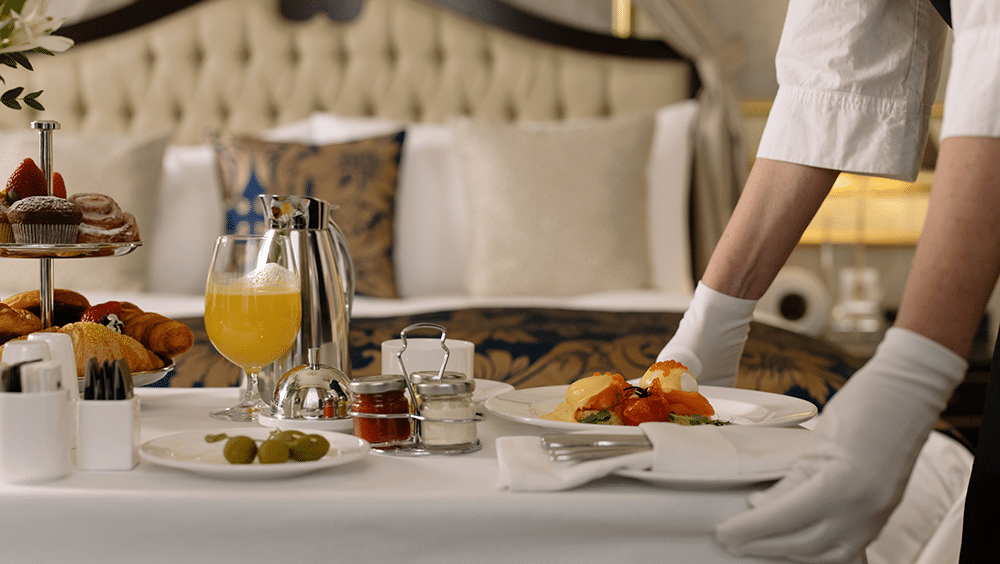
Culinary personalization can range from practical adjustments to fully bespoke experiences. A guest might receive a preferred breakfast time, an ingredient-conscious menu, a choice of dining environment, or a pairing selected for taste rather than prestige.
| Personalization Area | What It Can Include | Guest Benefit |
| Ingredients and dietary needs | Allergies, intolerances, cultural preferences, wellness goals | Greater comfort and confidence |
| Menu design | Tasting-menu adjustments, family-style service, familiar or exploratory dishes | A meal that feels personally relevant |
| Setting and timing | In-suite dining, private tables, early meals, leisurely service | More control and privacy |
| Beverage experience | Wine, tea, coffee, cocktails, or alcohol-free pairings | Choices aligned with individual taste |
| Occasion | Anniversaries, proposals, birthdays, reunions, milestones | A memorable emotional connection |
For many properties, personalization starts before arrival. During booking, guests can be invited to share dietary information, preferred meal times, and the purpose of their visit. However, when creating these processes, it is important to remember to keep them simple. Excessive questionnaires create friction; a short, well-designed prompt is always more useful than a long form completed reluctantly.
The aim is what might be called “quiet personalization.” A discreetly prepared alternative, a remembered preference, or an appropriately timed recommendation can communicate care more effectively than an elaborate explanation.
The Rise of Private and In-Residence Dining
Private dining gives luxury travelers greater control over a meal. Villas, suites, residences, terraces, and secluded outdoor spaces allow guests to choose the atmosphere, pace, and level of interaction. Families gain flexibility, couples create intimacy, and VIP travelers maintain privacy while receiving restaurant-level service. For guests seeking additional discretion, private chefs can turn the meal into a fully curated in-residence experience.
A private chef can transform this arrangement from standard room service into a curated hospitality event. The chef may discuss preferences, visit a local market, prepare a meal centered on a meaningful ingredient, or adjust the menu as the evening progresses. For a celebration, every course can contribute to the story of the occasion, so customization is key to elevating the overall dining experience.
Hotels, resorts, and serviced residences can build private-chef experiences into premium packages, such as a villa arrival dinner, family cooking session, sunset tasting, or multi-course celebration. When planned well, these offerings create exclusivity without requiring an entirely new restaurant concept.
Culinary Experiences as a Form of Experiential Luxury
Luxury is increasingly becoming associated with memories, participation, and meaning rather than mere passive consumption of expensive products. When individualization is incorporated, events such as a market-to-table meal or cooking session can become part of the destination itself.
Properties can respond with chef’s-table encounters, ingredient tastings, cooking sessions, destination-inspired menus, and intimate dinners built around a guest’s interests. A traveler fascinated by architecture might receive a menu connected to a neighborhood’s history, while a family might prepare a regional dessert together.
Food tourism is commonly understood as travel motivated, at least in part, by an interest in experiencing food and culinary culture. This helps explain why personalized dining can reinforce a property’s sense of place. Local producers, traditions, landscapes, and stories give the meal an identity, while personalization determines how that identity is introduced to a particular guest.
Using Guest Data Without Making Personalization Feel Intrusive
Customer relationship management (CRM) systems, property management systems (PMS), booking records, loyalty profiles, and pre-arrival questionnaires can help teams identify useful culinary preferences. A hotel might note a preference for plant-forward dishes, early family dining, or a quick business breakfast, then make that information available to the right staff.
That being said, it is important to understand that useful personalization is not the same as maximum personalization when customizing an itinerary. The objective is to reduce guest effort, not create the feeling of constant observation. Some details matter only in context, and some guests value spontaneity more than precision.
Responsible practice begins with consent, relevance, accuracy, and judgment. Guests should understand why information is being collected, and teams should avoid treating old or ambiguous notes as permanent facts. A preference recorded several years ago may no longer apply, so staff should use data to inform a conversation, not replace active listening.
Personalization Across Different Luxury Guest Segments
Not every luxury guest wants the same culinary journey. Couples may value privacy, pacing, and a sense of occasion, while families often need flexibility, familiar choices for children, and spaces where different preferences can be accommodated. Wellness-focused travelers may look for nutritious menus and transparent ingredient information, and business guests may prioritize efficiency, reliable timing, and meals that support demanding schedules.
Multigenerational groups may include different ages, cultures, appetites, and mobility needs. High-net-worth travelers may expect private chefs, rare ingredients, or spaces unavailable to the general public. The answer is to use segmentation to identify what matters most and adapt to each guest’s needs.
Travel purpose, occasion, cultural background, dietary requirements, and previous behavior can guide recommendations, but they should be treated as signals rather than assumptions. Personalization works when it creates options while preserving freedom to choose.
The Role of Chefs in Delivering High-Touch Culinary Experiences
In personalized hospitality, the chef is more than the person responsible for food production. The chef can act as a host, storyteller, curator, educator, and interpreter of the place. Direct interaction creates an immediacy that conventional restaurant service cannot always provide, providing a space where guests can ask questions, explain preferences, and understand why particular ingredients or techniques were selected.
This relationship allows the menu to adapt in real time. A chef may replace an ingredient, change the level of spice, or shift the sequence according to the group’s mood. Local sourcing also becomes more meaningful when the chef can explain the producer, season, or tradition behind it. For luxury properties, chef-led programming is both a service model and a distinctive brand expression.
Turning Personalized Culinary Experiences Into Revenue Opportunities
Customized dining can expand hotel revenue through premium menus, private chef services, in-suite meals, celebrations, tasting experiences, cooking sessions, and curated destination packages. These services can be offered before arrival or through carefully timed in-stay recommendations. The key is to package value rather than simply add charges to a standard meal.
This is where food and beverage revenue strategies become especially relevant. Properties can evaluate culinary personalization through broader ancillary-revenue measures, including revenue per available guest (RevPAG), while also considering repeat stays, upgrades, event bookings, and guest advocacy. A private dinner may be profitable in itself, but its wider value can include stronger loyalty and a more differentiated brand impression.
When designing these strategies, exclusivity must be protected. If every experience is presented as a generic add-on, premium pricing becomes difficult to justify. Limited availability, skilled hosts, local sourcing, and thoughtful customization help preserve perceived value. The strongest properties will offer enough structure to operate efficiently while retaining enough flexibility to make the experience feel bespoke.
Balancing Technology, Human Service, and Authenticity
Technology should support personalization, not replace the human qualities that define luxury hospitality. Artificial intelligence (AI) and connected systems are useful tools that can surface preferences, identify patterns, and suggest relevant experiences, making them practical supports that streamline hospitality events. Technology can also support food fulfillment by helping hospitality teams coordinate guest preferences, dietary needs, and dining requests more efficiently. This allows chefs, concierges, and service teams to focus on the human aspects of service, such as conversation, judgment, and emotional awareness, rather than being caught up in the minutiae of routine tasks and data entry.
When utilizing this technology, its presence should remain largely invisible. Guests need to feel that a recommendation is appropriate and that a real person is attentive to their response, not a machine. A digital prompt can support the first decision, but human service determines whether the interaction feels sincere.
Authenticity also requires restraint. A property should not force local storytelling, exaggerate the rarity of ingredients, or turn every meal into a performance. The strongest experiences combine accurate knowledge, genuine hospitality, and space for the guest to participate freely.

What the Future Holds for Personalized Culinary Hospitality
The next phase of luxury dining will connect culinary planning to the entire guest journey. Preference collection may begin during booking and inform the menu, setting, and service style once the guest arrives. Additionally, post-stay recognition can help the property remember what mattered without making the relationship feel automated.
Emerging directions in curated hospitality include hyper-personalized menus, wellness-oriented dining, local sourcing, private residences, chef collaborations, and flexible in-room experiences. Fueled by these advancements, properties may increasingly sell the destination through food while using technology to coordinate suppliers, kitchens, guest profiles, and service teams behind the scenes.
In this future framework, personalization will become less of a premium add-on and more of an expected component of genuinely differentiated luxury hospitality. The advantage will belong to properties that can deliver it with discretion, with enough intelligence to anticipate needs, enough creativity to surprise, and enough humanity to respect spontaneity.
Making Every Meal Feel Designed for the Guest
Luxury dining is evolving from abundance, formality, and prestige toward relevance, discretion, and individual attention. This change is fueling a culinary landscape in which exceptional ingredients and technical skill become more powerful when shaped around the guest’s preferences, purpose, culture, and sense of occasion.
By promoting personalized culinary experiences, hotels and resorts are equipped with the tools they need to deepen relationships, distinguish their brand, and generate meaningful ancillary revenue. Whether the setting is a chef’s table, a private villa, or an in-suite breakfast, the central question remains the same: “Does the meal feel unmistakably intended for the person sitting at the table?” Increasingly, that feeling is what luxury represents.
Personalized dining is becoming a defining part of luxury hospitality. By combining guest preferences, chef-led experiences, thoughtful technology, local storytelling, and flexible service, hotels and resorts can create more meaningful meals, strengthen loyalty, and unlock valuable new revenue opportunities.
More Tips to Grow Your Business
Revfine.com is the leading knowledge platform for the hospitality and travel industry. Professionals use our insights, strategies, and actionable tips to get inspired, optimize revenue, innovate processes, and improve customer experience.Explore expert advice on management, marketing, revenue management, operations, software, and technology in our dedicated Hotel, Hospitality, and Travel & Tourism categories.


Leave A Comment