

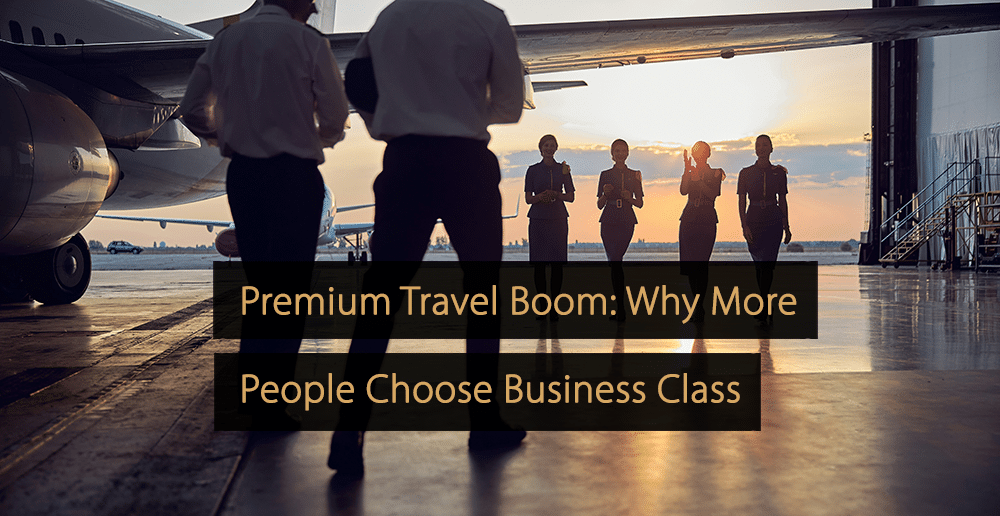
For many years, luxury travel mainly concerned the places people visited, the things they purchased, and the amount of experience they could get in a short period. Nowadays, a great many frequent travelers are seeking something different and want time to slow down, improved sleep, and the opportunity to arrive feeling refreshed. Rest has now become one of the most valuable aspects of modern travel, particularly for those who spend a lot of time flying for work or for personal reasons.
Why Premium Leisure Travelers Are Changing Airline Economics
Airlines have traditionally relied heavily on economy passengers to fill their planes. However, premium seats can generate significantly more revenue per passenger. This makes the front of the aircraft increasingly important, particularly as airlines look for ways to improve profitability without simply adding more seats.
One reason behind the change is that travelers are becoming more selective about where they spend their money. After years of disrupted travel and rising costs, many people still want to travel, but they may prefer to take fewer trips and make those trips more comfortable.
For some passengers, paying more for a long-haul flight feels worthwhile. A lie-flat seat can mean arriving at a destination rested rather than exhausted. Extra baggage, priority boarding, airport lounge access, better meals, and more personal space can also make the journey itself feel like part of the vacation.
Airlines have noticed this willingness to spend. Instead of treating premium cabins as a service designed mainly for corporate customers, they are increasingly marketing them to ordinary vacation travelers. This has helped create a new category of passenger: someone who may fly economy most of the time but is willing to upgrade when the occasion feels special.
The growth of premium leisure travel is therefore not simply about luxury. It is becoming an important part of airline revenue strategies.
Business Class Is No Longer Just for Corporate Travelers
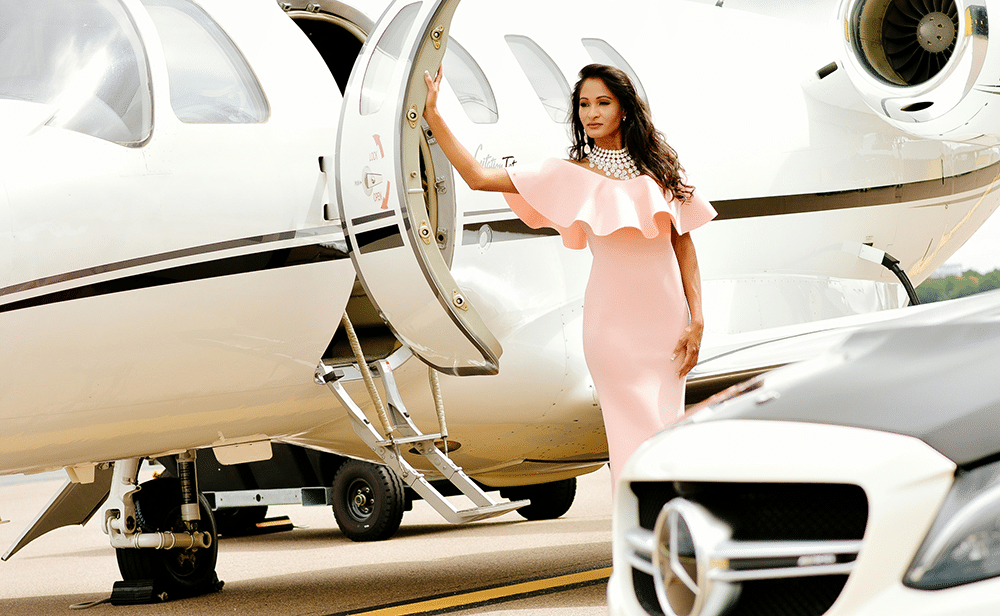
The most significant change could be the person occupying a business class seat.
People who are celebrating anniversaries, families going on long-distance holidays, honeymooning couples, and travelers who are observing their birthdays or other milestones are now more and more thinking about booking premium cabins. There are also some passengers who choose to upgrade just because they place a higher value on comfort and convenience than in the past.
The increasing popularity of working from home and on flexible schedules has also played a part in this change. People now don’t have to travel in accordance with the traditional hours of corporate offices. For example, a traveler could combine a holiday with a number of days of working from home, which makes it important to have a comfortable seat and a dependable experience on board.
In response, airlines are coming up with various methods of accessing premium products, such as offering discounted business-class fares, providing upgrade opportunities after booking, introducing premium economy classes, or allowing redemptions from their loyalty program.
This results in a greater range of options between economy and business class; rather than seeing the choice as just being ‘cheap’ or ‘luxurious’, passengers can choose the level of comfort they desire for a given journey.
Premium travel is also geared towards lessening stress for a great many people, since avoiding long queues, having access to lounges, boarding earlier and knowing that there is more personal space can make a big difference, particularly on flights that last eight, ten or even fifteen hours.
What the Shift Means for the Future of Air Travel
The growing demand for premium travel could change the aircraft cabin of the future.
Airlines have limited space, so they need to decide how much of an aircraft should be dedicated to economy, premium economy, business class, and first class. If travelers continue paying for premium experiences, airlines may allocate more space and resources to these cabins.
This does not necessarily mean economy will disappear or become unimportant. Economy will remain the foundation of commercial aviation. But airlines may increasingly offer more choices within the cabin, allowing passengers to pay for specific benefits rather than purchasing a completely different class of service.
The trend also suggests that travelers are becoming more comfortable spending money on experiences rather than simply transportation. For those willing to pay, premium air travel can turn a long and tiring flight into a more enjoyable part of the journey.
Ultimately, the front of the plane is becoming less exclusive. Business class is evolving from a corporate perk into a product that appeals to a much broader group of travelers. As airlines compete for these passengers, the future of flying may be defined not just by how cheaply people can get from one country to another, but by how much comfort and convenience they are willing to buy along the way.
For travelers who want to explore different options for premium air travel, comparing available fares and cabin experiences can be a useful place to start.
Premium travel is becoming a broader leisure choice as passengers place value on comfort, rest, flexibility, and convenience. For airlines, that shift creates new revenue opportunities while encouraging more cabin options that reflect how travelers want to experience long-haul journeys.
More Tips to Grow Your Business
Revfine.com is the leading knowledge platform for the hospitality and travel industry. Professionals use our insights, strategies, and actionable tips to get inspired, optimize revenue, innovate processes, and improve customer experience.Explore expert advice on management, marketing, revenue management, operations, software, and technology in our dedicated Hotel, Hospitality, and Travel & Tourism categories.

Leave A Comment