

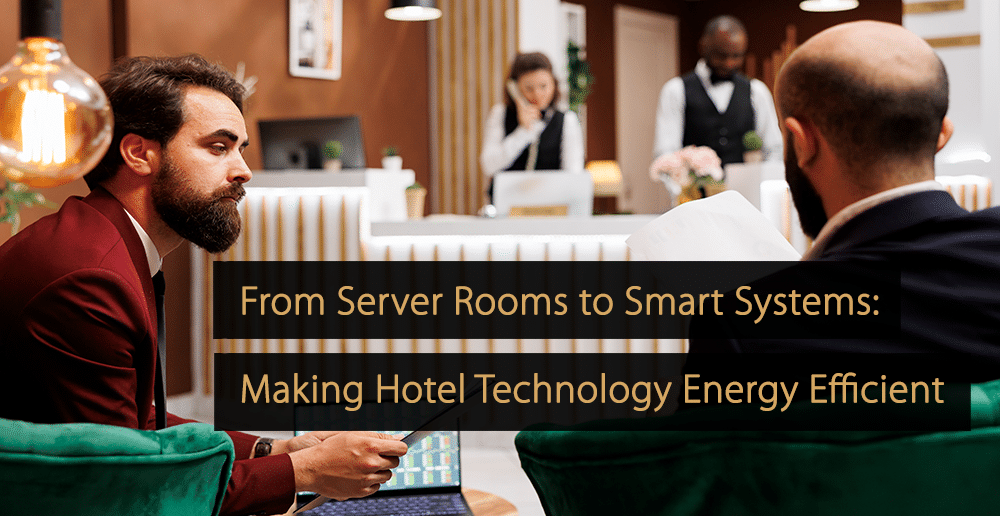
Hotel sustainability is often associated with energy-saving lighting or water conservation. However, the technology running behind the scenes also consumes large amounts of power. Servers, network devices, and outdated IT systems can quietly increase energy use and operating costs. As hotels adopt more digital tools, improving technology efficiency becomes essential. Smarter infrastructure, cloud systems, and better network planning can reduce waste while improving performance and security.
In this article, you will learn how hotels can modernize IT infrastructure, reduce energy consumption, and support sustainability goals without disrupting daily operations.
Why Energy Efficient Technology Matters for Modern Hotels
Sustainability in hospitality is no longer limited to towel reuse cards. It now includes the technology running behind reception desks and back offices. Every server, router, and switch consumes energy daily. When infrastructure is outdated, energy waste increases quietly.
Many hotels are now working with providers that offer professional IT support in London, such as HTL, to modernise networks and reduce unnecessary power consumption. Smarter infrastructure improves efficiency, strengthens cybersecurity, and supports sustainability goals at the same time. Technology decisions directly affect both operating costs and environmental impact.
The Hidden Energy Cost of Traditional Server Rooms
On-site server rooms are common in older hotels. These machines run continuously, often without optimisation. They require cooling systems, constant power, and physical space.
UN Tourism’s Hotel Energy Solutions toolkit explains how energy efficiency cuts costs in hotels. Poor airflow and unmanaged hardware create overheating risks. Over time, equipment degrades faster and must be replaced.
The result is higher energy bills and increased electronic waste. Hardware replacement cycles become shorter. Maintenance visits become more frequent. These costs rarely appear in sustainability discussions, yet they matter.
Reducing reliance on energy-intensive server rooms is one of the most effective ways to lower a hotel’s technology footprint.
Why Cloud Migration Reduces Energy Waste
Cloud-based systems reduce the need for on-site hardware. Instead of maintaining multiple physical servers, hotels use shared infrastructure in highly optimised data centres.
Modern data centres operate at far higher efficiency levels than small on-site environments. They use advanced cooling systems and energy management controls. This means lower energy use per workload.
For hotels, the benefits are practical:
- Less hardware to power and cool
- Fewer physical upgrades
- Reduced maintenance needs
- Improved system reliability
Cloud migration not only improves flexibility. It also reduces waste created by redundant equipment and emergency replacements.
Cybersecurity and Sustainability Are Linked
Security failures create waste. A data breach often leads to hardware replacement, system rebuilds, and temporary manual workflows. Paper use increases during downtime. Emergency purchases raise costs and environmental impact.
IBM’s Cost of a Data Breach Report is one of the most cited global studies on cybersecurity impact and operational disruption.
Strong security also prevents unnecessary duplication of infrastructure. Redundant systems installed after a breach often consume additional energy. Preventing incidents reduces that risk.
Sustainable IT must include cybersecurity planning. Energy efficiency without protection is incomplete.
Smarter Networks Improve Operational Efficiency
Network design plays a central role in energy performance. Poorly configured networks cause repeated reboots, hardware strain, and inefficient bandwidth use.
Smart network planning includes:
- Traffic segmentation between guests and staff
- Secure access controls
- Automated updates
- Performance monitoring
Efficient networks allow devices to operate within optimal parameters. This extends hardware lifespan and reduces replacement frequency.
Longer equipment life directly reduces electronic waste. Fewer replacements mean fewer discarded components.
Internet Infrastructure Should Be Scalable
Hotels depend on reliable internet connectivity. Guest streaming, digital check-in systems, and smart room technology increase demand each year.
When infrastructure is poorly planned, hotels overcompensate. Extra routers, unmanaged switches, and temporary fixes increase power usage. These additions often remain long after the initial issue is resolved.
Proper consultancy prevents overbuilding. Right-sized systems reduce excess hardware. Scalable design ensures upgrades happen only when necessary.
Planning infrastructure carefully avoids waste before it begins.
Remote Monitoring Reduces Carbon Impact
Traditional IT models rely on frequent on-site visits. Each visit requires travel. Emergency callouts increase fuel consumption and response costs.
Remote monitoring tools detect issues early. Many problems can be resolved without physical attendance. This reduces technician travel and shortens downtime.
Fewer emergency interventions also protect equipment. Devices are maintained proactively rather than replaced reactively.
Remote support contributes to sustainability by lowering transport-related emissions and preventing sudden hardware failures.
Digital Workflows Eliminate Paper Waste
Sustainability in hospitality also includes operational processes. Digital property management systems reduce printed confirmations and manual logs. Cloud-based billing systems minimise paper invoices.
When IT systems are stable and secure, digital workflows remain reliable. Staff trusts the systems. Paper backups become unnecessary.
Stable infrastructure supports:
- Digital check-in
- Electronic billing
- Online staff scheduling
- Secure document storage
Each digital process reduces physical storage needs and ongoing waste.

Staff Habits That Keep Technology Efficient Every Day
Even the best IT setup can waste energy if daily habits are poor. Small actions in hotel teams add up fast. Screens left on overnight raise power use. Unused devices still draw electricity in standby mode. Staff should log out properly and shut down workstations after shifts.
Printers should default to digital, not paper. File storage should follow clear rules to avoid duplicates. WiFi passwords should be controlled to stop rogue devices.
Simple training makes these habits stick. When teams follow routines, systems run more smoothly, stay secure, and waste less energy.
Aligning IT With ESG Objectives
Many hotels now report ESG progress to owners and investors. IT should be part of that picture. Inefficient systems waste power and create avoidable downtime. Weak security can also trigger costly recovery work and extra waste.
Start with visibility. Track what runs all day and why. Review server loads, device usage, and network uptime. Then look for safe moves to the cloud. These changes are easy to measure and report. They also support stronger governance and risk control.
Practical Steps Toward Energy-Efficient IT
Energy-efficient transformation does not require immediate large-scale replacement. It begins with assessment and planning.
Start by reviewing hardware age and utilisation. Identify servers running below capacity yet consuming full power. Evaluate cooling systems for inefficiencies.
Assess opportunities for cloud migration. Review cybersecurity posture and update schedules. Implement automated shutdown policies for non-essential equipment.
Monitoring energy use regularly allows informed decision-making. Gradual improvements often produce measurable savings.
Hotel tech efficiency is not only smart thermostats and LEDs. Back office IT can waste power every day. Server rooms, old hardware, and poor networks are common culprits. A practical plan starts with an audit. Fix the biggest energy drains first. Cloud migration, smart monitoring, and stronger security reduce waste fast. Even small upgrades cut bills and extend hardware life.
More Tips to Grow Your Business
Revfine.com is the leading knowledge platform for the hospitality and travel industry. Professionals use our insights, strategies, and actionable tips to get inspired, optimize revenue, innovate processes, and improve customer experience.Explore expert advice on management, marketing, revenue management, operations, software, and technology in our dedicated Hotel, Hospitality, and Travel & Tourism categories.





Leave A Comment