

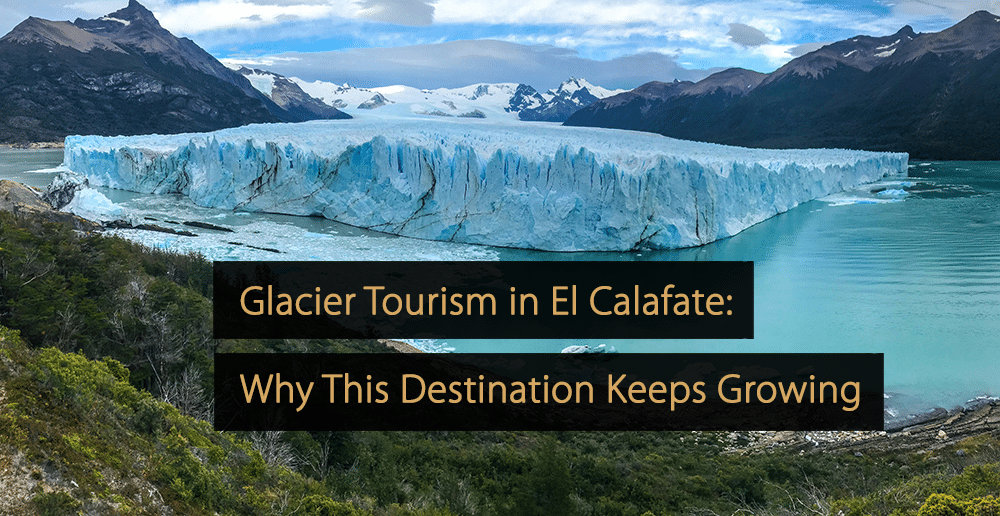
The global adventure tourism market continues to expand, and few destinations illustrate this growth as clearly as El Calafate, a small town in southern Argentine Patagonia that has become one of South America’s most visited nature-based destinations. With the Perito Moreno Glacier as its star attraction, El Calafate offers a compelling case study in how a remote location can build a thriving tourism economy around a single natural phenomenon.
For hospitality and tourism professionals, understanding what drives visitors to destinations like El Calafate — and how the local industry has evolved to meet demand — provides valuable insight into broader trends shaping the sector.
The Perito Moreno Glacier: A Natural Asset Unlike Any Other
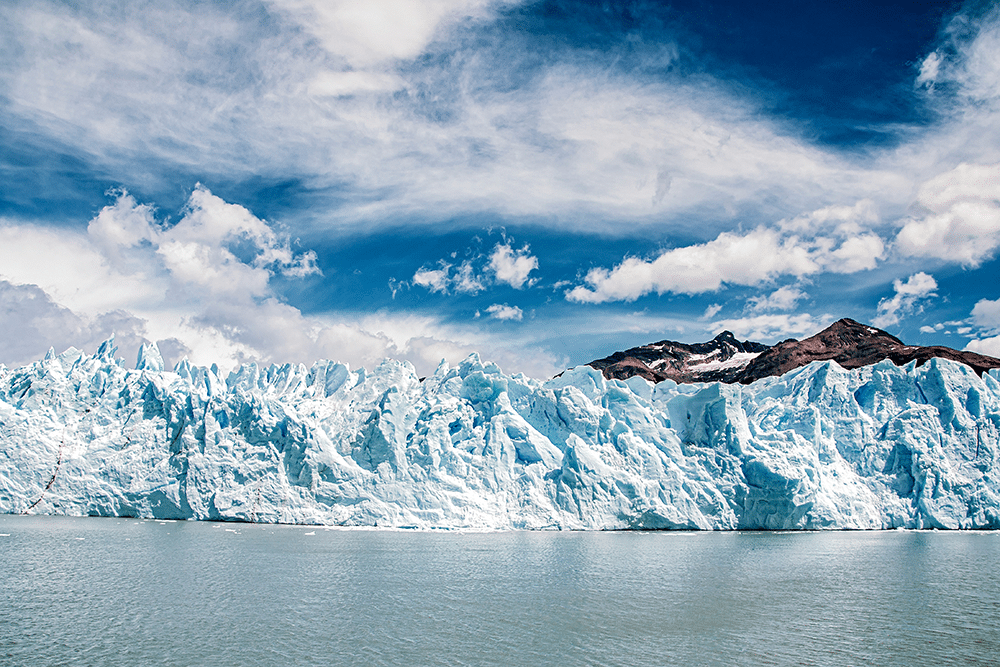
What makes the Perito Moreno Glacier exceptional is not just its sheer size — approximately 250 square kilometers of ice, with a front wall stretching 5 kilometers wide and rising between 60 and 74 meters above the waterline — but its behavior.
Unlike the vast majority of glaciers around the world, which are retreating due to climate change, the Perito Moreno maintains a state of equilibrium. It advances and calves in roughly equal measure, creating a spectacle of ice ruptures that can occur every few years and draw international media attention each time.
This stability has turned the glacier into a powerful marketing asset. While other glacier tourism destinations face difficult conversations about disappearing ice and last-chance tourism, El Calafate can position itself around a glacier that is actively growing and breaking, making it a perennial draw rather than a declining one.
A Layered Experience Economy
The tourism industry around El Calafate has matured significantly. Visitors are no longer limited to viewing the glacier from walkways in Los Glaciares National Park — a UNESCO World Heritage Site since 1981 encompassing nearly 727,000 hectares. Instead, a tiered experience model has developed that caters to different demographics and willingness-to-pay levels.
At the entry level, the standard walkway visit allows families and travelers of all ages to observe the glacier at close range. Moving up the experience ladder, the Minitrekking offers approximately 90 minutes of walking on the glacier itself with crampons, open to visitors aged 10 to 65. For the most adventurous segment, Big Ice provides a roughly 3.5-hour expedition on the ice, restricted to participants between 18 and 50 years of age.
This segmentation is a textbook example of how destinations can extract more value from a single attraction. Tour operators like those based in El Calafate have built their offerings around this multi-tier model, bundling transfers, equipment, guides, and complementary activities to create distinct price points and visitor profiles.
Beyond the Glacier: Diversifying the Destination
While the Perito Moreno Glacier dominates marketing, the broader destination has worked to extend average stays and increase per-visitor spending. Lake Argentino boat excursions to the Upsala and Spegazzini glaciers offer a full-day alternative. El Chaltén, a two-and-a-half-hour drive north, has emerged as Argentina’s trekking capital, attracting a younger, more independent traveler profile.
Estancia tourism adds a cultural dimension, with traditional Patagonian ranches offering horseback riding, sheep shearing demonstrations, and regional cuisine. For the food and beverage sector, El Calafate’s growing gastronomy scene — built around Patagonian lamb, local craft breweries, and the famous calafate berry — has created additional revenue streams that extend the visitor economy beyond excursion operators.
Seasonality and Infrastructure Challenges
Like many nature-based destinations, El Calafate faces a pronounced seasonality challenge. The high season runs from October to March, with peak demand concentrated in December through February. The shoulder months offer lower prices and fewer crowds but present weather-related risks that can affect visitor satisfaction.
The town’s airport — with direct flights from Buenos Aires — has been instrumental in making the destination accessible despite its remote latitude of 50°S. However, airlift capacity remains a constraint during peak periods, and accommodation supply, while growing, still lags behind demand at certain price points.
For hotel operators and revenue managers, the destination presents an interesting dynamic: a compressed season with predictable demand spikes, a captive audience with limited alternative activities during bad weather days, and a guest profile that skews toward higher spending due to the inherent costs of reaching and operating in such a remote location.
The Sustainability Imperative
The Perito Moreno Glacier sits within the Southern Patagonian Ice Field, the third-largest continental ice mass on Earth after Antarctica and Greenland. This context places sustainability at the center of any conversation about growing tourism in the region. Argentine national parks authorities have implemented visitor management protocols, including timed entry, group size limits for ice trekking activities, and strict no-trace policies.
For the broader hospitality industry, El Calafate serves as an example of how natural heritage destinations must balance commercial growth with conservation. The glacier itself may be stable, but the surrounding ecosystem — including forests, lakes, and wildlife — requires careful stewardship as visitor numbers continue to increase.
Looking Ahead
El Calafate’s trajectory suggests that well-managed glaciers and adventure tourism can remain a growth segment even as climate concerns reshape traveler preferences. The destination’s ability to offer a genuinely awe-inspiring natural experience, combined with an increasingly sophisticated local tourism infrastructure, positions it well in a market where authenticity and natural grandeur command premium prices.
For travel industry professionals evaluating destinations with strong long-term potential, El Calafate demonstrates that remoteness is not a barrier when the core product is exceptional. The challenge — and the opportunity — lies in scaling the visitor experience without diminishing what makes it extraordinary in the first place.
El Calafate shows how a single natural attraction can power long-term tourism growth when supported by strong infrastructure, experience diversification, and responsible management. For tourism professionals, the destination offers valuable lessons in balancing visitor demand, revenue potential, and environmental protection.
More Tips to Grow Your Business
Revfine.com is the leading knowledge platform for the hospitality and travel industry. Professionals use our insights, strategies, and actionable tips to get inspired, optimize revenue, innovate processes, and improve customer experience.Explore expert advice on management, marketing, revenue management, operations, software, and technology in our dedicated Hotel, Hospitality, and Travel & Tourism categories.





Leave A Comment