

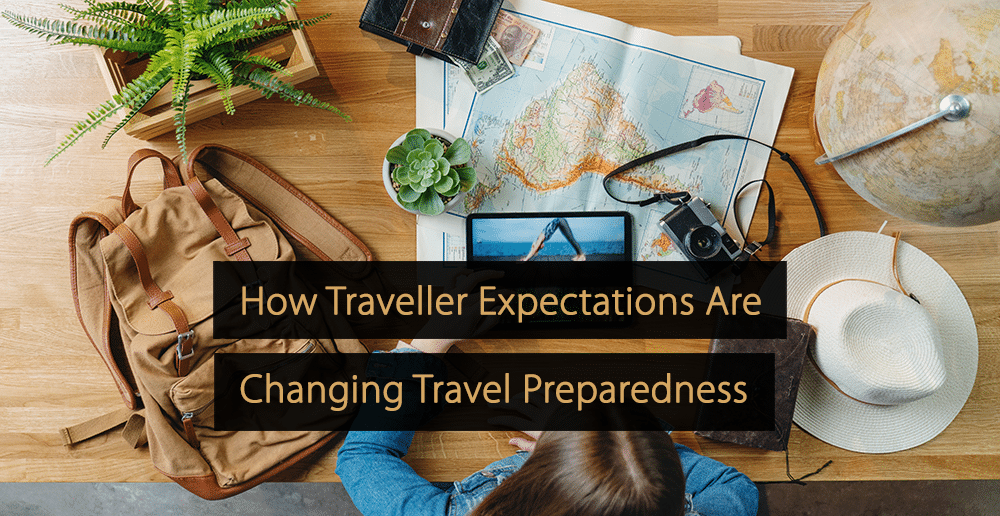
Travelers increasingly expect international journeys to be simple before they even reach the airport. Mobile planning, real-time updates, flexible bookings, and accessible destination information are becoming part of the overall travel experience. The International Air Transport Association’s (IATA) latest passenger research shows growing demand for smartphone-led journeys and digital credentials. For travel brands, preparedness is therefore shifting from a traveler’s responsibility into an important part of customer experience design.
Why is Travel Preparedness Becoming a Core Part of the Traveler Experience?
Travel preparedness once centered largely on passports, tickets, and hotel confirmations. Today, travelers must navigate changing entry requirements, transport disruptions, healthcare systems, digital payments, and destination-specific risks.
At the same time, expectations of convenience have risen. Passengers increasingly want faster, simpler, and more personalized journeys supported by digital tools.
This changes the role of travel companies. Airlines, hotels, travel platforms, and travel service providers are no longer supporting isolated transactions. Travelers increasingly expect guidance that helps them understand what they need before departure and respond when plans change.
What Are Today’s Travelers Expecting Before They Even Book a Trip?
Modern travel preparation begins before the traveler chooses a flight or hotel. Consumers increasingly want enough information to judge whether a journey will remain manageable from booking through arrival.
1. Transparent Entry Requirements
Visa rules, passport requirements, and entry conditions can influence destination choice before price comparisons even begin.
2. Real-time Travel Information and Flexible Travel Arrangements
IATA reported in June 2026 that travelers were researching more before departure and checking government travel advisories amid concerns about disruption. This reinforces the importance of timely information across travel platforms. Travelers increasingly value booking conditions that allow reasonable adjustments when schedules or circumstances change.
3. Seamless Digital Planning Tools
The 2025 IATA Global Passenger Survey found that 78% of passengers wanted smartphones combining digital wallets, travel credentials, and loyalty information to support booking, payment, and airport processes.
How are Visa on Arrival Destinations Influencing Travel Decisions?
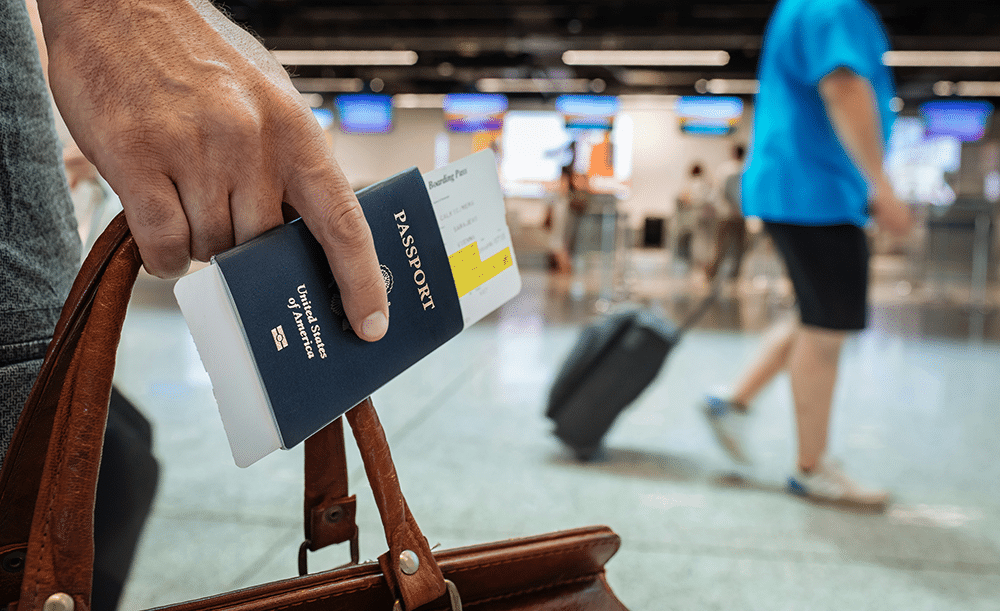
Visa-on-arrival countries for Indians can reduce one layer of pre-departure administration, making some destinations easier to consider for shorter booking windows. India’s Ministry of External Affairs states that 47 countries currently offer visa-on-arrival facilities to Indian ordinary passport holders.
However, simpler entry does not remove the need for preparation. Travelers still need to examine permitted stays, passport conditions, onward tickets, financial requirements, and destination-specific rules.
This is where international travel insurance can become part of the planning journey. Instead of appearing as a final checkout add-on, protection can be considered alongside flights, entry requirements, and accommodation.
Travelers increasingly compare multiple travel protection options online before departure, reflecting a broader expectation for transparent information, digital accessibility, and informed decision-making throughout the planning journey.
Why is Travel Risk Awareness Rising Alongside Travel Confidence?
Growing confidence in international travel does not mean travelers expect journeys to be disruption-free. Instead, greater travel experience can make people more aware of where difficulties arise.
1. Medical Emergencies Abroad
Healthcare systems, treatment costs, and payment processes vary widely between destinations. Travelers increasingly expect clear information about emergency assistance before they leave home.
2. Trip Delays and Disruptions
Flight delays can affect transfers, hotel arrivals, events, and connecting journeys. Travelers therefore value real-time notifications and flexible responses when schedules change.
3. Lost Baggage and Unexpected Expenses
Baggage delays or missing documents can create immediate practical costs and require rapid access to support.
4. Evolving Traveler Safety Expectations
Protection increasingly includes access to information, assistance, and financial support, rather than simply avoiding risk. Travelers increasingly expect support mechanisms that help them access assistance quickly and navigate unfamiliar situations with greater confidence.
The growing expectation for fast assistance, simplified reimbursements, and reduced administrative burden reflects a wider shift toward traveler-centric support services across the travel ecosystem.

What Should Modern Travel Preparedness Look Like in 2026?
Preparedness in 2026 should be integrated into the entire traveler journey rather than represented by a final pre-departure checklist.
1. Documentation Readiness
Travelers should understand passport, visa, and entry requirements early enough to correct problems before departure. Digital document access can complement physical records.
IATA is also advancing digital travel credentials and biometric identity systems designed to enable more travel checks before passengers reach airport touchpoints.
2. Health and Emergency Planning
Travelers should know how to obtain medical help, contact assistance providers, and access essential health information while abroad. Many travelers also review appropriate international travel insurance options before departure to better understand available emergency assistance and support services.
3. Financial Protection Strategies
Emergency funds, alternative payment methods, and suitable travel protection should be considered together.
Travelers increasingly expect protection products and support services to be accessible through seamless digital experiences that minimize planning friction. However, issuance and eligibility may still depend on the information provided, trip profile, and insurer requirements.
4. Destination-specific Risk Assessment
Preparation should account for local healthcare access, weather, transport reliability, planned activities, and entry conditions rather than applying one standard approach to every trip.

How Can the Travel Industry Support Better-prepared Travelers?
Travel businesses can improve preparedness without making the booking journey feel complicated.
1. Digital Guidance Throughout the Journey
Relevant information should appear when travelers need it, from entry requirements during discovery to transport and disruption alerts during the trip.
2. Personalized Travel Recommendations
Recommendations can reflect destination, trip duration, traveler profile, and booked activities rather than presenting identical guidance to everyone.
3. Simplified Pre-departure Planning
Hotels, airlines, and travel platforms can provide clear reminders covering documentation, transfers, connectivity, and arrival information.
4. Traveler Education and Awareness
Preparation works best when information explains why an action matters. Revfine’s coverage of 2026 technology trends also highlights personalization, AI, contactless services, and online booking systems as important elements shaping the travel experience.
For travel brands, useful guidance can strengthen trust while helping travelers make more informed decisions.
Why are Visa-friendly Destinations Becoming More Attractive to Indian Travelers?
For Indian outbound travelers, simpler visa processes can reduce planning time and make destinations easier to consider for shorter-notice holidays. Official MEA information currently lists both visa-free and visa-on-arrival destinations available to Indian ordinary passport holders.
Destinations offering visa on arrival for Indians benefit from a perception of easier access, particularly when flights, accommodation and local transport are also straightforward to organize.
For tourism boards and hospitality companies, visa convenience can become part of destination positioning. However, brands should avoid presenting visa-on-arrival access as automatic entry. Conditions can differ by destination and change over time, making links to official information essential.
The Future of Travel Preparedness: From Reactive Planning to Proactive Protection
The next stage of travel preparedness will be less about reacting after disruption and more about anticipating traveler needs throughout the journey.
Technology can support earlier document checks, personalized alerts, digital policy access, and faster assistance. Travelers, meanwhile, are becoming more willing to research destinations, monitor disruptions, and prepare financial alternatives before departure.
For travel brands, the opportunity is to make preparedness feel seamless. Visa information, health guidance, destination alerts, and appropriate travel protection resources should sit naturally within the travel journey rather than appearing as disconnected tasks.
The brands that respond effectively will not simply sell a booking. They will help travelers understand what comes next, anticipate what could change, and move through the journey with greater confidence.
Modern travel preparedness is becoming a shared responsibility between travelers and travel brands. By combining digital planning, flexible booking, timely information, destination awareness, and accessible support, the industry can help people navigate international journeys with greater confidence, convenience, and resilience.
More Tips to Grow Your Business
Revfine.com is the leading knowledge platform for the hospitality and travel industry. Professionals use our insights, strategies, and actionable tips to get inspired, optimize revenue, innovate processes, and improve customer experience.Explore expert advice on management, marketing, revenue management, operations, software, and technology in our dedicated Hotel, Hospitality, and Travel & Tourism categories.





Leave A Comment