

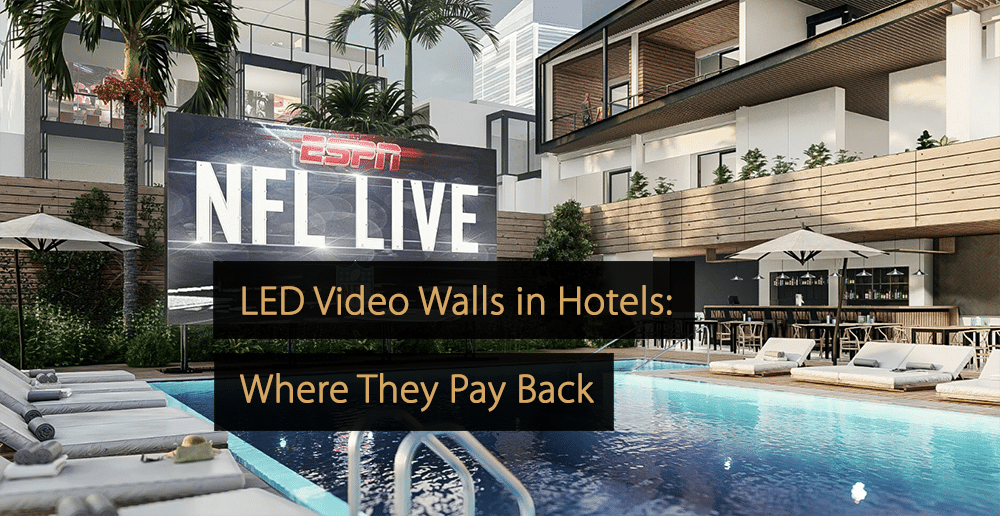
Your lobby, meeting rooms, and outlets all compete for your guests’ attention, and printed signs or a row of TVs rarely hold it. A well-planned LED video wall can welcome guests, sell your spaces, and simplify events. This guide shows you where a video wall creates real value in a hotel and how to plan one without costly mistakes.
What Is an LED Video Wall?
An LED video wall is a large, seamless display built from modular cabinets that lock together into one image. Unlike a grid of TV screens, it has no black bezels, so logos, video, and text run cleanly across the full surface. Because it is modular, you can size it to almost any wall, from a small reception feature to a full ballroom backdrop.
Two specifications matter most:
- Pixel pitch: the distance between pixels, in millimeters. A smaller pitch means a sharper image up close, but also a higher price.
- Brightness: measured in nits. Indoor walls usually need 600 to 1,500 nits, while spaces with large windows or direct daylight need more.
Why LED Video Walls Matter for Hotels
Your guests form an opinion of your property within minutes of walking in. A striking display at arrival sets the tone, and it keeps working long after check-in.
- First impressions: a lobby wall with calm, branded content signals quality and modern hospitality.
- Revenue from meetings and events: planners increasingly expect built-in AV. A permanent wall can help you win bookings and reduce equipment rental costs.
- Upselling on-property services: you can promote your spa, restaurant, or late checkout at the moment guests are most receptive.
- Operational flexibility: content changes in seconds, so the same wall can serve breakfast, a corporate launch, and a wedding reception on the same day.
- Lower printing costs: digital signage replaces easels, posters, and banners that need constant reprinting.
Where a Video Wall Pays Back Fastest
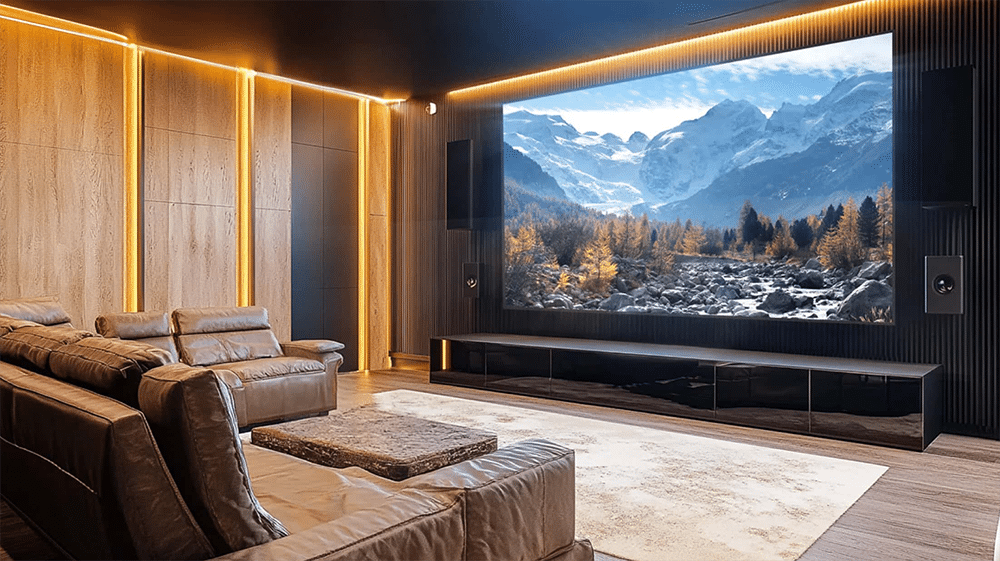
Video walls deliver the strongest returns in high-traffic spaces where they support guest experience, events, food and beverage, or navigation.
1. Lobby and Reception
This is the space every guest sees. Use it for welcome messages, destination imagery, local events, and brand storytelling. Keep the content slow and elegant rather than busy, because this is an arrival space, not a billboard.
2. Ballrooms and Meeting Rooms
For event revenue, this is often the strongest business case. A permanent wall replaces rented projectors and screens, looks sharper in bright rooms, and sets up faster between events. When you compare options, look at modular LED wall panels that can be sized to your room and serviced from the front, so a single module can be swapped without taking the wall down.
3. Restaurants, Bars and Rooftops
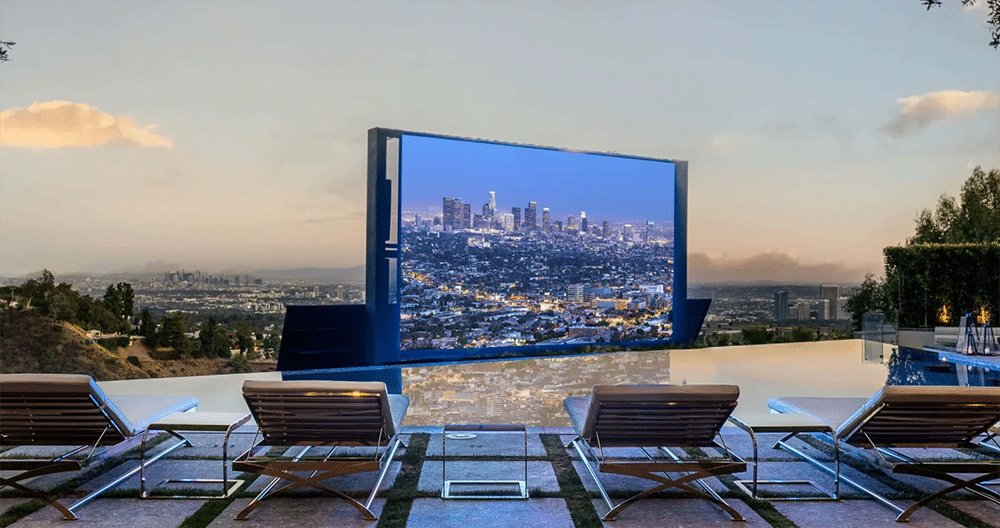
In food and beverage outlets, a video wall can show live sports, create atmosphere, or change the mood from day to night. For bars that rely on game-day traffic, a large seamless screen can become a reason to visit in itself.
4. Retail and Wayfinding
In resorts and large properties, displays near elevators and walkways help guests find meeting rooms, amenities, and restaurants, and they reduce pressure on your front desk.
How to Plan Your LED Video Wall
Good planning balances viewing distance, structural requirements, servicing, content needs, and total project costs before installation begins at your hotel.
1. Start With the Viewing Distance
Measure how close your nearest guest will stand to the screen. As a simple rule, the pixel pitch in millimeters should roughly match the minimum viewing distance in meters. For a lobby where guests pass within two to three meters, a pitch of around 2 to 2.5 mm is usually sharp enough. A ballroom where the front row sits six meters away can use a larger pitch and save budget.
2. Check the Wall, Power and Data
Before you choose a size, confirm that the wall can carry the weight, that power is available close by, and that you can run a data connection to the controller. A site survey at this stage prevents surprises during installation.
3. Plan for Service and Spare Parts
A video wall is a long-term asset. Ask about front-serviceable cabinets, the warranty on parts and panels, and whether spare modules are held in stock. Replacement modules from a different production batch can show a slight color difference, so spares from the original batch keep your wall uniform.
4. Think About Content Before Installation
The display is only as good as what you show on it. Decide who will manage content, how often it will change, and which systems it needs to connect to, such as your event schedule, meeting room booking tool, or video conferencing platform.
5. Budget for the Full Project
The panels are only part of the cost. Include the mounting structure, video processor, installation, content creation, and ongoing support. Many suppliers offer financing, which lets you spread the investment over the period in which the wall generates event and upsell revenue.
Content Tips That Work in Hospitality
Effective video wall content should be timely, easy to understand, visually restrained, and connected to measurable guest or commercial outcomes.
- Match content to the time of day: breakfast menus in the morning, bar promotions in the evening.
- Keep text short: guests glance at the screen rather than read it. Aim for one message per slide.
- Use motion carefully: slow, high-quality video feels premium, while fast transitions feel like advertising.
- Personalize for events: show the client’s logo and agenda when a group arrives. Planners notice this detail.
- Measure results: track spa bookings, restaurant covers, or event inquiries during campaigns to see what content works.
Common Mistakes to Avoid
Avoiding common planning and content mistakes helps hotels control costs, maintain display quality, and protect the long-term value of installations.
- Choosing the finest pixel pitch everywhere and overspending where guests never stand close.
- Ignoring daylight, which washes out a display that is not bright enough.
- Treating content as an afterthought and running the same loop for months.
- Forgetting ventilation and service access behind or in front of the wall.
A video wall works best when it is planned around your guests, your spaces, and your revenue goals. Start with one high-impact area, measure the results, and use what you learn to decide where your next display will create the most value.
More Tips to Grow Your Business
Revfine.com is the leading knowledge platform for the hospitality and travel industry. Professionals use our insights, strategies, and actionable tips to get inspired, optimize revenue, innovate processes, and improve customer experience.Explore expert advice on management, marketing, revenue management, operations, software, and technology in our dedicated Hotel, Hospitality, and Travel & Tourism categories.



Leave A Comment