


Are Revenue Managers the New Risk Managers?
Revenue managers have traditionally worked toward a fairly straightforward goal: maximize revenue. That meant pushing rates when demand was strong, filling rooms when it softened, and staying one step ahead of the competition. But in 2026, that playbook is becoming harder to rely on. From Revenue Growth to Profit Protection Pricing power is weakening as travelers grow more price-sensitive, while operating costs continue to climb. At the same time, demand is becoming less predictable, breaking
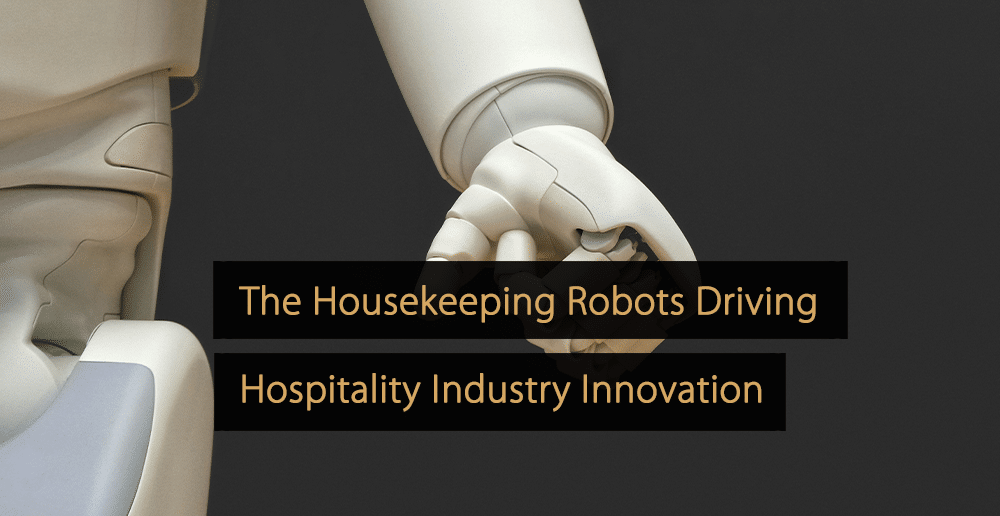
The Housekeeping Robots Driving Hospitality Industry Innovation
Housekeeping robots are machines capable of carrying out tasks typically associated with housekeeping departments, such as cleaning, tidying, and moving objects. These machines are used to reduce the workload of housekeeping staff and improve operational efficiency. In this article, you can learn more about housekeeping robots and explore examples of some of the most innovative robots in use right now. Table of Contents: Understanding Robotics in the Hospitality Industry What is a Housekeeping Robot in
AI Agents in the Travel Industry: Use Cases, ROI, and Strategy
AI agents in the travel industry are autonomous software systems that are able to work independently to achieve specific goals. They do not require human intervention and can make decisions and learn from outcomes over time. Within the travel industry, AI agents are useful as the industry currently faces key challenges that they can assist with. These agents can simplify booking processes, meet traveler demands for personalization, and optimize pricing. In this article, you'll learn

15 Essential Video Marketing Tips for Hotels
Videos are an undeniably powerful marketing tool, especially for the hotel and travel industry. After all, they can capture the attention of the audience much quicker than text and have the power to generate extremely high traffic to your website. No wonder video marketing has taken the Internet by storm. This effective tool is so versatile that you can use it to promote your hotel’s services and build customer rapport. Table of Contents: What is
The Housekeeping Robots Driving Hospitality Industry Innovation
Housekeeping robots are machines capable of carrying out tasks typically associated with housekeeping departments, such as cleaning, tidying, and moving objects. These machines are used to reduce the workload of housekeeping staff and improve operational efficiency. In this article, you can learn more about housekeeping robots and explore examples of some of the most innovative robots in use right now. Table of Contents: Understanding Robotics in the Hospitality Industry What is a Housekeeping Robot in the Hospitality Industry? Why is a Housekeeping Robot Valuable or Important? 16 Examples of Innovative Housekeeping Robots 1. Relay Robots 2. Whiz Robots 3. AURA
15 Essential Video Marketing Tips for Hotels
Videos are an undeniably powerful marketing tool, especially for the hotel and travel industry. After all, they can capture the attention of the audience much quicker than text and have the power to generate extremely high traffic to your website. No wonder video marketing has taken the Internet by storm. This effective tool is so versatile that you can use it to promote your hotel’s services and build customer rapport. Table of Contents: What is

Three Sleep-Focused Upgrades Hotels Could Be Offering
When looking for a place to stay, most travelers want more than just a convenient place to lay their heads. Sleep tourism is a fairly new trend, but it’s one that has taken the industry by storm. It’s all about offering those additional little luxuries that make a stay particularly comfy and cozy, so that guests can have the best possible sleep night after night. Turning a basic hotel room into a sleep sanctuary can
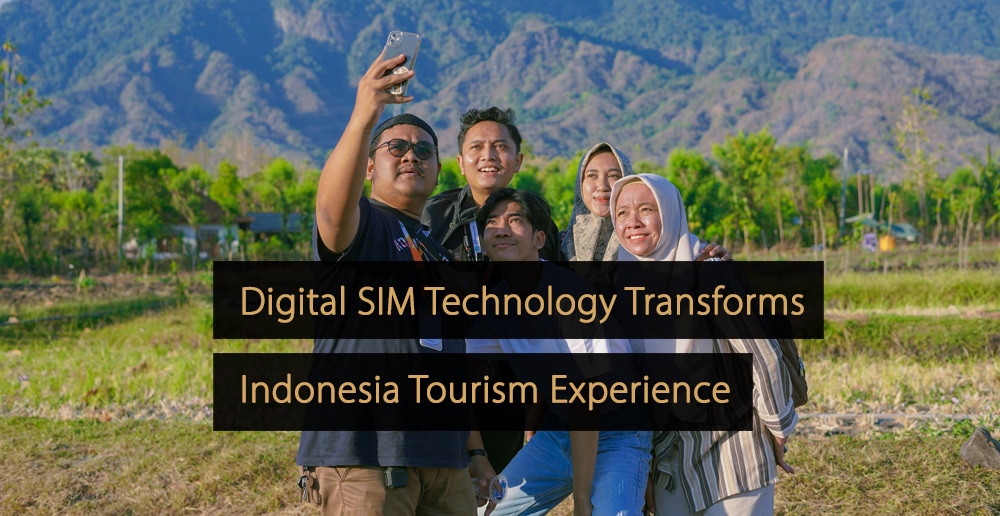
How Digital SIM Technology Is Transforming Connectivity for Indonesian Travel and Tourism
Indonesia is not a straight-line place. It is a nation of detours. Between islands and cities, you're between two worlds that are not always as connected as their positions on the map may indicate. Imagine a trip there. You might start in Jakarta and then board a plane to Bali.
Hotel Personalization Need Not Be Obsessive for Guests
Personalization has become one of the most discussed concepts in hospitality. Hotels are under pressure to deliver tailored guest experiences, yet many struggle to implement personalization effectively. The missing step is often segmentation. Before hotels attempt to personalize every interaction, they must understand who their guests are and which groups

Choose to Be Chosen: How Hoteliers Use AI to Stay Ahead of Hospitality Trends
The hospitality industry is evolving rapidly, with shifting guest expectations and unpredictable market conditions challenging traditional approaches. Hotels can no longer rely solely on historical data or manual strategies to remain competitive. Artificial intelligence is emerging as a powerful tool that helps hoteliers respond faster, personalize guest experiences, and optimize