


Indonesia offers some of the most remarkable liveaboard diving experiences in the world, yet choosing between Raja Ampat and Komodo can be challenging for travelers and tourism professionals alike. Both destinations promise spectacular marine life, dramatic landscapes, and memorable underwater encounters. However, they deliver very different experiences depending on seasonality, travel logistics, diver confidence, and guest expectations. Understanding these differences helps hospitality professionals recommend the right destination for the right traveler.
In this article, you will learn how Raja Ampat and Komodo differ in accessibility, diving style, guest experience, and travel planning considerations.
Understanding the Decision Between Raja Ampat and Komodo
After years of managing operations in both regions, I have seen how the right recommendation can shape not only a guest’s satisfaction but also the success of travel partnerships, itinerary planning, and long-term reputation.
Indonesia offers some of the most remarkable liveaboard experiences in the world, yet Raja Ampat and Komodo serve different traveler profiles in very different ways. On the surface, both promise dramatic scenery, rich marine life, and memorable diving.
In practice, however, the decision between a Raja Ampat liveaboard and a Komodo itinerary often comes down to timing, confidence level, travel style, and what kind of guest experience a business wants to support.
Raja Ampat: A Destination Defined by Biodiversity and Remoteness
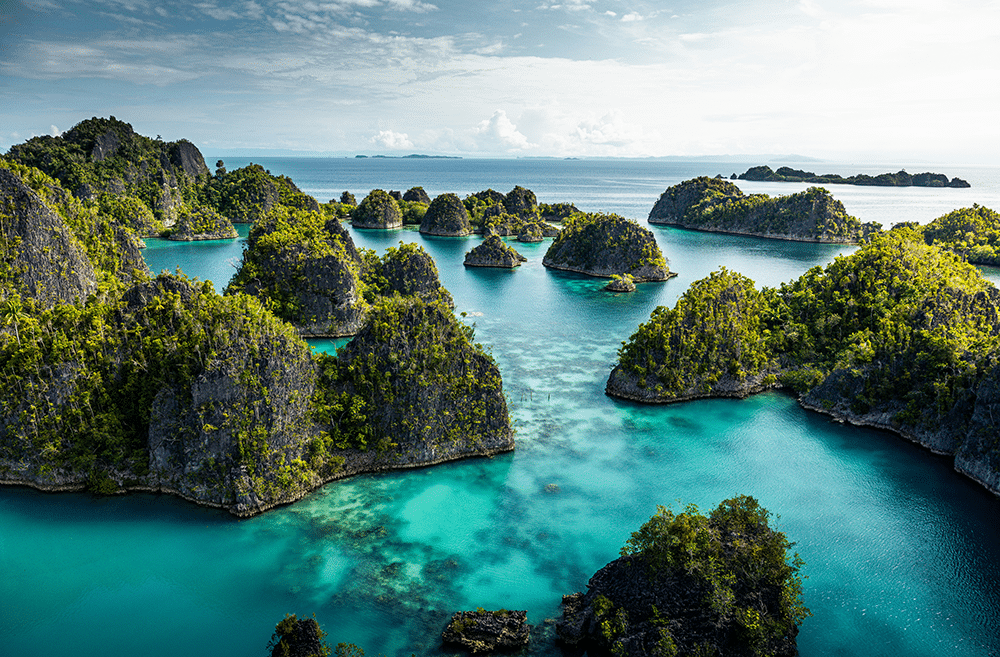
Raja Ampat is often associated with abundance. The reefs are famously full of life, the seascapes are wide and cinematic, and the sense of remoteness adds emotional value from the moment guests arrive. A liveaboard Raja Ampat experience usually appeals to travelers seeking immersion in nature and a sense of entering one of the last truly wild marine destinations.
Guests who choose Raja Ampat are often motivated by biodiversity, underwater photography, and the idea of taking a longer, more intentional journey. This is not only a dive trip for many people; it is a bucket-list expedition with a strong emotional payoff.
Komodo: Energy, Variety, and Accessibility
Komodo, by contrast, has a more dynamic and fast-moving energy. Diving can be thrilling, the island landscapes are dramatic, and the variety of activities appeals to a broader audience. Komodo liveaboard diving is often better suited to travelers who want strong contrasts in a shorter timeframe: current-swept channels, manta encounters, iconic viewpoints, pink beaches, and the chance to combine diving with well-known land experiences. For many guests, Komodo feels more accessible, more flexible, and easier to fit into a wider Indonesian itinerary.

Why Destination Distinction Matters for Hospitality Professionals
From a hospitality perspective, this distinction matters. Small hotel owners, destination managers, and B2B travel partners should not frame Raja Ampat and Komodo as interchangeable dive products. They are not. Raja Ampat tends to reward guests who want stillness, richness, and a slower rhythm. Komodo tends to reward guests who enjoy movement, variety, and a stronger sense of daily adventure. When businesses match the right guest to the right destination, expectations become more realistic and guest satisfaction rises naturally.
Key Travel Planning Factors When Choosing Raja Ampat or Komodo
Below are the key travel planning factors that help travelers and hospitality professionals understand the practical differences between Raja Ampat and Komodo liveaboard experiences.
1. Seasonality and Travel Logistics
Seasonality is one of the first operational differences to consider.
Raja Ampat Travel Planning
Raja Ampat is often chosen for its exceptional reef quality and broad marine diversity. Still, travel planning can feel more complex because of flight routes, transfers, and the perceived remoteness of the region. This can be a strength rather than a weakness when presented correctly. Guests who understand that Raja Ampat asks for more effort often value the experience more deeply. The best Raja Ampat liveaboard trips are usually those sold with honesty: long travel days, rich rewards, fewer distractions, and an atmosphere that feels genuinely removed from mass tourism.
For many travel planners, hospitality professionals, and small accommodation owners trying to understand Indonesia’s marine travel market, the question “Raja Ampat vs Komodo liveaboard explained“ is more than a search phrase; it is a practical question about guest expectations, trip design, seasonality, and the kind of experience each destination truly delivers.
Komodo Accessibility and Flexibility
Komodo is easier for many operators to position because access through Labuan Bajo is more straightforward, and the destination is easier to combine with mainstream travel patterns. That makes Komodo particularly useful for agents and hospitality businesses serving travelers with limited time. A shorter planning window, a stronger mix of diving and sightseeing, and a higher degree of itinerary flexibility can all make Komodo more commercially practical, even in a non-commercial editorial context. It is often the destination that suits guests who want a strong experience without the same level of logistical commitment as Raja Ampat.
2. Diver Profiles and Experience Levels
The diver profile is another important difference.
Raja Ampat Divers
Raja Ampat attracts experienced divers, photographers, and marine enthusiasts. Still, it also welcomes travelers motivated by beauty and biodiversity, even if they are not seeking intense conditions every day.
Komodo Divers
Komodo can be spectacular, but some sites are more demanding, and current management is part of the conversation early on. This does not mean one destination is better than the other. It means recommendation quality matters. Hospitality professionals who ask a few simple questions about comfort in the current trip, trip goals, budget tolerance, and travel style can provide much more useful guidance than those who simply promote whichever destination is trending.
3. How Guests Remember Each Destination
There is also a significant difference in how guests remember these places.
Raja Ampat is often remembered for its richness and atmosphere. Guests talk about the density of fish life, the calm moments between dives, the silhouettes of limestone islands, and the sense that the trip felt meaningful.
Komodo is often remembered for contrast and momentum. Guests recall manta rays, strong drifts, changing seascapes, dragon excursions, and the feeling that every day brought a new visual highlight. Both create powerful memories, but they do so through different emotional patterns.
Matching the Right Guest to the Right Destination
A hotel owner in eastern Indonesia, a travel consultant building specialist itineraries, or a tour company developing partnerships with marine operators can create more value by understanding the decision logic behind each guest inquiry. A couple seeking privacy, pristine reefs, and deeper immersion may be better aligned with Raja Ampat. A group of active travelers looking for dramatic diving and a varied multi-day route may respond better to Komodo. The more precise the recommendation, the less friction appears later in the guest journey.
The Role of Context in Travel Decision-Making
This is especially relevant in a travel environment where guests arrive more informed but not always more certain. Many people compare destinations online, but they still need interpretation. They do not only need facts; they need context. They want to know where they will feel comfortable, what kind of energy the trip will have, and whether the journey is worth the effort. Businesses that can explain these differences in a calm, human, and informed way build trust faster than those that rely on generic destination language.
Liveaboard Travel as a Hospitality Product
Another key point is that liveaboard travel should not be treated only as a diving product. It is also a hospitality product. Cabin comfort, crew culture, meal flow, briefing quality, guest communication, and the smoothness with which each day unfolds all affect the perception of value. In Raja Ampat, the hospitality layer often reinforces a sense of remoteness and care. In Komodo, it often supports the pace and intensity of the route. In both destinations, good hospitality turns a well-run trip into a memorable one.
Choosing the Right Destination for the Right Traveler
In the end, the question is not whether Raja Ampat or Komodo is superior. The smarter question is which destination is right for a particular traveler, business objective, or guest segment.
A Raja Ampat liveaboard is often the right answer for guests seeking depth, biodiversity, and a sense of escape. Komodo liveaboard diving is often the right answer for those seeking variety, energy, and dramatic highlights in a more accessible format.
When hospitality professionals understand those differences, they can make more confident recommendations, design better experiences, and contribute to a stronger, more thoughtful travel industry across Indonesia.
That is where real expertise matters: not in selling the loudest dream, but in helping the right guest choose the right journey.
The choice between Raja Ampat and Komodo is not about which destination is better, but which experience fits a traveler’s expectations. When hospitality professionals understand these differences, they can design better itineraries, guide guests more effectively, and create stronger dive travel experiences.
More Tips to Grow Your Business
Revfine.com is the leading knowledge platform for the hospitality and travel industry. Professionals use our insights, strategies, and actionable tips to get inspired, optimize revenue, innovate processes, and improve customer experience.Explore expert advice on management, marketing, revenue management, operations, software, and technology in our dedicated Hotel, Hospitality, and Travel & Tourism categories.






Leave A Comment