

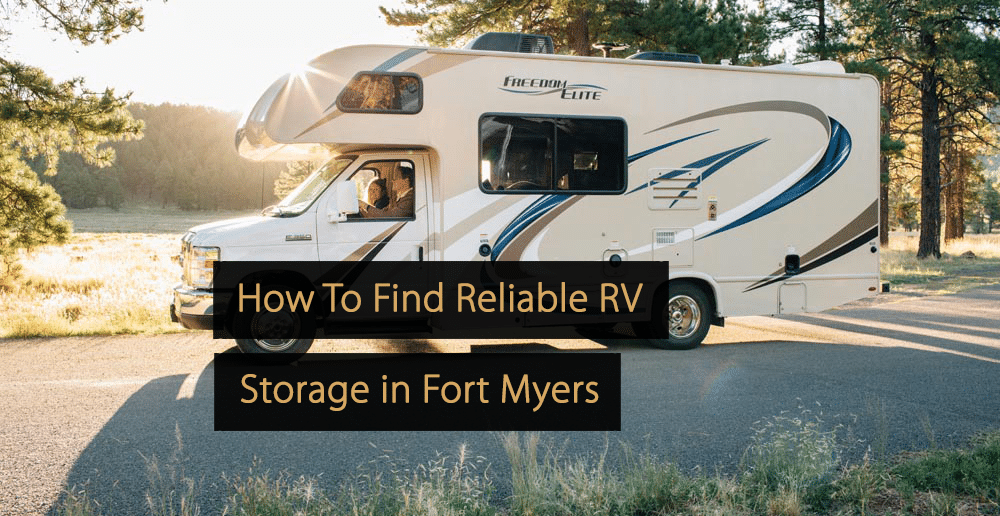
Fort Myers is prime territory for RV owners. Between its proximity to Gulf Coast beaches, state parks, and winter snowbird culture, recreational vehicles stay in heavy rotation here year-round. But when your rig is not on the road, you need somewhere safe, accessible, and reasonably priced to keep it. Finding the right storage solution takes more than a quick online search.
In this article, we cover the main types of RV storage available in Fort Myers, the key features to evaluate before choosing a facility, how pricing is structured, and what steps to take to prepare your RV before moving it into storage.
Key Takeaways:
|
–
Why Storage Choice Matters in Fort Myers
Florida’s climate is not kind to vehicles left unattended. UV radiation, humidity, afternoon thunderstorms, and tropical storm season all accelerate wear on RV exteriors, seals, tires, and interior materials. Storing your vehicle at home in the driveway might seem convenient, but it leaves the unit exposed to everything the Southwest Florida climate throws at it.
Beyond weather concerns, many Fort Myers neighborhoods and HOAs restrict long-term RV parking on residential properties. Violating those rules can result in fines or forced removal. A dedicated storage facility removes that headache entirely and keeps your rig in better shape between trips.
The Main RV Storage Options in Fort Myers
Not all storage types offer the same level of protection. The right fit depends on how often you travel, what kind of RV you own, and how much exposure you are willing to accept.
1. Open-Air Storage
Open-air storage is usually the most budget-friendly option. Your RV is parked on an outdoor lot, typically gravel or asphalt, with no overhead cover. This can work for short-term storage or for owners using a high-quality RV cover. In Fort Myers, though, constant exposure to sun and rain can speed up wear.
2. Covered Storage
Covered storage gives your RV overhead protection while leaving the sides open. It helps reduce direct sun exposure and shields the vehicle from rain without the cost of a fully enclosed unit. For many owners, this is the practical middle ground. It offers more protection than an uncovered lot while staying more affordable than indoor storage.
3. Enclosed Indoor Storage
Indoor storage gives the highest level of protection. Your RV stays inside a building, away from weather, UV exposure, and many external risks. This is usually the most expensive option, but it can make sense for larger, newer, or higher-value motorhomes. Some facilities also offer climate-controlled indoor units for added protection.
What Actually Matters When Comparing Facilities
A facility may look fine at first glance, but the details make the difference. Before signing any agreement, focus on the factors that directly affect convenience, safety, and long-term value.
1. Security Should Be Non-Negotiable
At a minimum, look for:
- Perimeter fencing
- Gated entry with individual access codes
- Security cameras
- Good lighting throughout the property
Some higher-end facilities also have on-site staff during business hours. That extra layer of oversight can be reassuring, especially for long-term storage.
2. Access Hours Can Make or Break the Experience
Think about how you use your RV in real life. If you head out on weekend trips or leave early in the morning, limited gate hours can quickly become frustrating. Some Fort Myers facilities offer extended or 24-hour access, while others stick to standard operating hours. That difference matters more than many owners realize.
3. Space and Maneuverability Need Checking Up Front
Large RVs need more than just a listed space length. You also need to think about turning radius, overhead clearance, and whether the site is easy to enter and exit without stress.
Before committing, confirm:
- Maximum vehicle length
- Height restrictions
- Lane width
- Ease of reversing or maneuvering into the space
4. Reputation Tells You a Lot
Reviews can reveal patterns that a facility’s website will not mention. Repeated complaints about billing, poor communication, or maintenance issues should not be ignored. On the other hand, consistent positive feedback about cleanliness, staff responsiveness, and security is usually a strong sign that the property is well managed.
How To Narrow Down Your Search
Starting with a map is often the simplest approach. Focus first on facilities that are close to your home, your usual departure route, or a major road that makes pick-up and drop-off easier. Then shortlist a few options and visit them in person. A quick on-site visit can tell you far more than photos ever will.
When comparing locations, pay attention to:
- Overall cleanliness
- Condition of the gate and fencing
- How organized the parking layout is
- Whether staff are helpful and informed
- Whether your RV would realistically fit the space
Anyone looking for RV storage in Fort Myers will usually make a better decision by comparing at least two or three facilities side by side.
Before You Store Your RV, Do These Things First
Preparing your RV properly can prevent damage, maintenance problems, and unpleasant surprises when you take it back out.
1. Wash It and Inspect for Weak Spots
Clean the exterior before move-in so dirt, salt, and residue do not sit on the surface for weeks or months. While cleaning, inspect roof seals, window edges, and door gaskets for signs of wear. In Florida’s humid climate, even a small leak can turn into a much bigger issue during storage.
2. Deal With Fluids and Battery Care
Drain water lines and tanks if the RV will be sitting for a while. That helps prevent stagnant water and reduces the chance of unwanted odors or internal issues. You should also disconnect the battery or keep it maintained with a trickle charger. For outdoor storage, some owners use solar chargers as a low-maintenance option.
3. Protect Tires and Exterior Surfaces
Tires can suffer when a vehicle sits still for long periods, especially in the heat. Tire cradles or occasional repositioning can help reduce flat spotting. For outdoor storage, a fitted cover or UV-protective treatment adds another layer of protection against Fort Myers sun exposure.
Choosing the Best RV Storage Option in Fort Myers
Finding reliable RV storage in Fort Myers comes down to matching your budget, vehicle size, and access needs to the right facility type. Covered and enclosed options offer the best protection against Florida’s demanding climate, while open-air lots remain viable for short-term or budget-focused situations.
Doing your homework on security, access hours, and reputation before signing any agreement will save you significant frustration. Fort Myers has solid options available at every price point, so take the time to compare and choose the facility that works best for your situation.
FAQs
Choosing the right RV storage in Fort Myers helps protect your vehicle, reduce hassle, and support more flexible travel plans. Compare facilities carefully, check access and security details, and prioritize the option that fits your RV, budget, and long-term storage needs.
More Tips to Grow Your Business
Revfine.com is the leading knowledge platform for the hospitality and travel industry. Professionals use our insights, strategies, and actionable tips to get inspired, optimize revenue, innovate processes, and improve customer experience.Explore expert advice on management, marketing, revenue management, operations, software, and technology in our dedicated Hotel, Hospitality, and Travel & Tourism categories.






Leave A Comment