

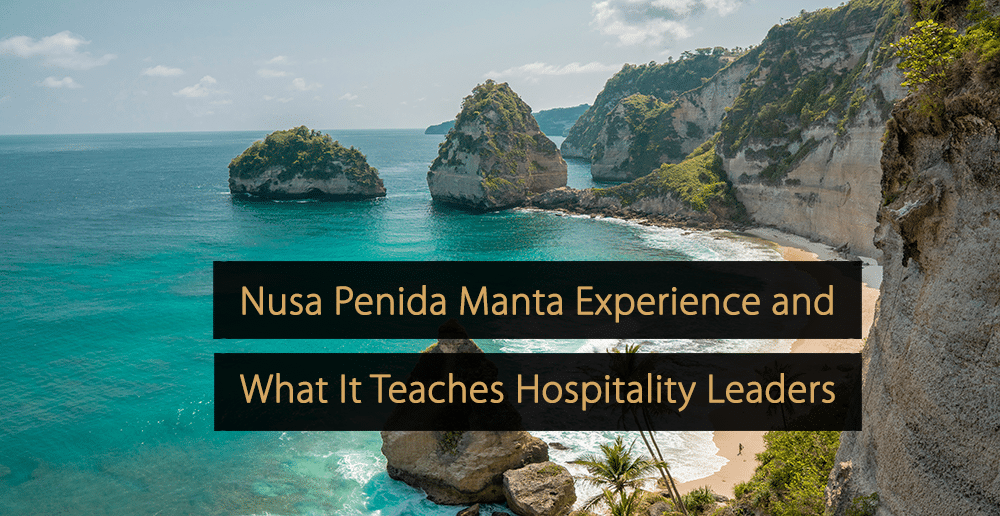
Nusa Penida has become one of Indonesia’s most recognizable marine destinations that attracts travelers eager to see manta rays in their natural habitat. Yet the Manta Point experience reveals more than dramatic underwater encounters. For hospitality professionals, that matters because dive guests are not only buying an excursion. They are investing in trust, timing, service quality, and the promise of a meaningful experience in one of the world’s most visually powerful marine destinations.
In this article, you will learn what the Nusa Penida manta experience teaches about dive tourism, guest communication, and experience-led hospitality in Indonesia.
Why Manta Point Matters Beyond the Dive Itself
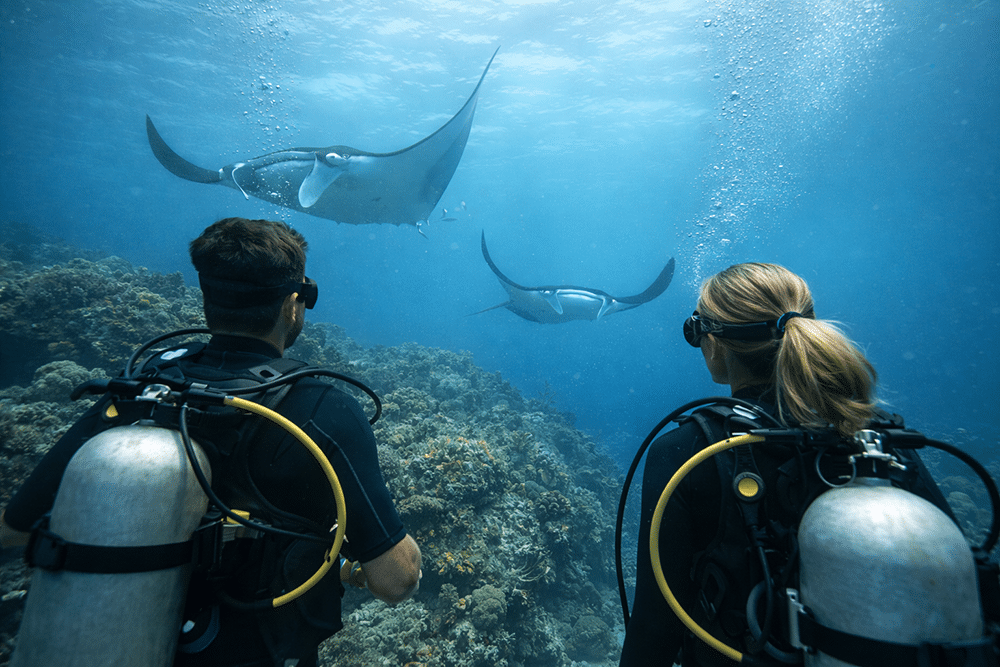
Nusa Penida has become one of the most talked-about marine destinations in Indonesia, and Manta Point is central to that appeal. For many travelers, the chance to see manta rays in the wild is emotional, aspirational, and often the highlight of an entire Bali itinerary. Yet from a hospitality and business perspective, the site is important for another reason: it reveals how destination experiences must be managed with clarity, realism, and strong guest communication.
This is especially relevant for travel businesses, boutique hotels, diving centers, and experience-led operators serving guests interested in scuba diving in Bali, Indonesia. The dive itself may last under an hour. Still, the guest impression is shaped much earlier and much later: during pre-arrival messaging, transfer planning, equipment preparation, staff briefing, sea conditions, post-dive comfort, and the overall feeling of being cared for.
The Real Appeal of Manta Point
Manta Point is not attractive because it is easy to reach. It is attractive because it feels authentic, dramatic, and deeply connected to nature. Guests are drawn by the possibility of seeing manta rays glide through open water in a setting that still feels raw and powerful. That emotional pull is valuable, but it also creates pressure. Visitors often arrive with high hopes, social media expectations, and a limited understanding of ocean variability.
For operators and accommodation partners, that means one thing: the guest journey must be framed honestly.
A well-managed Manta Point experience should communicate:
- That wildlife sightings are never guaranteed
- The sea conditions can vary significantly.
- That comfort in the water depends on skill, confidence, and weather.
- That timing and logistics shape the day as much as the dive itself.
This honesty does not reduce excitement. In most cases, it improves satisfaction because guests feel prepared rather than surprised.
Why Nusa Penida Requires Better Travel Communication
Nusa Penida is not a standard sun-and-sand destination. It is a place where natural beauty, marine adventure, transfers, currents, and weather all influence the guest experience. That is why the best operators, hotels, and tourism professionals treat communication as part of service delivery.
Guests planning scuba diving in Bali, Indonesia, often imagine the region as a single connected experience, but each dive area offers something different. Nusa Penida stands out for marine life, exposed sites, strong conditions on some days, and a sense of adventure. That makes it memorable, but it also makes fit especially important.
Any Nusa Penida Manta Point diving guide should do more than describe a famous site; it should help travelers understand conditions, expectations, comfort levels, and how to choose the right style of marine adventure in a way that supports a safe, memorable, and well-planned journey.
From a hospitality standpoint, a good fit depends on answering practical questions early:
- Is the guest a first-time diver or an experienced diver?
- Are they comfortable with boat travel and changing sea conditions?
- Are they looking for marine spectacle, relaxed conditions, or a broader island-hopping itinerary?
- Do they prefer day trips from Bali or a deeper destination-based experience?
These questions are not minor details. They influence guest confidence, reviews, and the overall perceived quality of the travel product.
What Small Hotel Owners and B2B Travel Partners Can Learn
For small hotel owners and B2B travel businesses, Manta Point offers a broader lesson about packaging experiences. The accommodation and excursion should not be treated as separate worlds. In destinations like Bali and Nusa Penida, guests see them as one continuous journey.
A hotel that understands dive traveler needs can create added value without becoming overly technical. The most effective support often includes:
- Early breakfast options for dive departures
- Dry towel readiness and post-trip comfort touches
- Clear transfer guidance
- Staff trained to explain realistic schedules.
- Partnerships with reliable marine operators
- Practical advice on seasickness, sun exposure, and rest
These details may seem operational, but they shape the emotional quality of the guest experience. In marine travel, comfort and clarity often matter just as much as excitement.
Manta Point as a Model for Experience-Led Hospitality
The most successful hospitality businesses do not simply sell access. They reduce uncertainty. That is particularly true in marine tourism, where nature is part of the product but cannot be controlled.
A guest-centered Manta Point experience usually performs well when it includes:
1. Pre-trip Clarity
Travelers want to know what the day will feel like, not just where it goes.
That includes:
- Departure timing
- Boat duration
- Water entry style
- Typical conditions
- Fitness and comfort considerations
2. In-trip Reassurance
The role of staff is not only technical. It is emotional and service-oriented.
Guests value:
- Calm briefings
- Clear instructions
- Respectful pacing
- Strong safety culture
- Friendly professionalism
3. Post-trip Reflection
After a marine excursion, guests often need help turning an intense experience into a memorable one.
That can come through:
- A relaxed return process
- Space to freshen up and recover
- Helpful local recommendations for the rest of the day
- Staff who can talk about what was seen and why it matters
This is where hospitality elevates adventure into a complete travel experience.
How Nusa Penida Compares with Other Indonesian Dive Dreams
Many travelers exploring scuba diving in Bali, Indonesia, also compare Nusa Penida with other iconic options across the country. Some are drawn to the convenience of Bali-based day trips, while others want a deeper expedition-style journey.
This is where comparison becomes useful, not commercial.
For example, a guest interested in Nusa Penida may also be curious about a Komodo Island liveaboard. Both can involve extraordinary marine life, strong visual appeal, and emotionally powerful diving. However, the travel rhythm is very different.
A liveaboard usually suits guests who want:
- Multi-day immersion
- Remote site access
- Structured dive-focused routines
- A stronger expedition feeling
Nusa Penida, by contrast, often suits guests who want:
- Access from a Bali itinerary
- A shorter commitment
- A mix of diving and land-based comfort
- Greater flexibility within a broader holiday
Helping guests understand these differences objectively is valuable for travel advisors, hotel teams, and dive operators alike. The goal is not to push one format over another. The goal is to guide better choices.
A Better Way to Position Bali’s Dive Experiences
Too often, dive destinations are marketed solely on dramatic images. While beautiful visuals matter, they do not replace useful interpretation. Today’s travelers respond well to experiences that are both exciting and well-explained.
For tourism professionals involved in scuba diving in Bali, Indonesia, the stronger positioning strategy is to combine inspiration with practical confidence.
That means describing:
- What type of traveler does the experience suit?
- What the day requires physically and mentally
- How conditions influence enjoyment
- What kind of support is available
- How the excursion fits into a broader Bali or Indonesia itinerary
This kind of communication improves product fit and usually leads to healthier guest expectations.
What Manta Point Teaches About Experience-Led Hospitality
Manta Point is more than a famous dive site. It is a reminder that exceptional travel experiences are built not only on scenery or wildlife, but also on thoughtful design, realistic communication, and service that supports the guest from the first question to the final memory.
For hoteliers, diving centers, and B2B travel professionals, the message is clear. Experiences like Nusa Penida’s manta dives work best when they are presented with honesty, care, and a genuine understanding of what travelers need to feel prepared and inspired. When that happens, the result is not just a successful excursion. It is a stronger destination reputation, better guest satisfaction, and a more sustainable model for hospitality-led marine tourism in Indonesia.
The Nusa Penida manta experience shows that successful dive tourism depends on more than spectacular wildlife. Clear communication, thoughtful logistics, and strong hospitality design help travelers feel prepared, supported, and inspired while protecting the long-term reputation of Indonesia’s marine destinations.
More Tips to Grow Your Business
Revfine.com is the leading knowledge platform for the hospitality and travel industry. Professionals use our insights, strategies, and actionable tips to get inspired, optimize revenue, innovate processes, and improve customer experience.Explore expert advice on management, marketing, revenue management, operations, software, and technology in our dedicated Hotel, Hospitality, and Travel & Tourism categories.






Leave A Comment