


Flexible schedules are changing how hotels manage arrivals and departures. Guests increasingly expect options that align with flights, meetings, and personal plans. This shift requires operational adjustments that maintain service quality while unlocking additional revenue streams.
Why Flexible Timings Are Now Part of the Guest Experience
Industry data shows rising demand for adaptable check-in and check-out. A Statista Report from 2025 indicates that nearly 67 percent of global guests prefer self-check-in options via smart locks or mobile apps. Another study found that 67 percent of guests consider check-in and check-out part of the full experience rather than rigid rules. Hotels that respond to these expectations often see higher occupancy during shoulder periods and higher ancillary income.
Properties adopting tools like dynamic timing have reported measurable gains. For instance, models focused on hourly access show 186 percent year-on-year growth in usage. These trends suggest that flexibility is moving from an optional perk to a standard offering.
Identify the Guest Scenarios That Need More Flexibility
Different traveler segments drive the need for non-standard timings. Business guests frequently request early arrivals due to unpredictable flight schedules, with 48-hour advance notice becoming common. Short city stays benefit from windows that allow exploration without overnight constraints.
Event attendees also seek alignment with conference or ceremony timings. Properties offering 24-hour access windows report better satisfaction during peak event periods.
1. Early Arrivals and Pre-Check-In Expectations
Early arrivals often occur when flights land before standard check-in times. Hotels can prepare by reviewing occupancy forecasts and prioritizing room readiness for guests who request earlier access. Clear pre-arrival communication helps manage expectations.
2. Late Check-outs and Post-Meeting Departures
Late check-outs accommodate meetings that extend into the afternoon. Dynamic pricing based on daily occupancy allows hotels to offer these extensions without disrupting evening turnovers.
3. Business Travelers, Event Guests, and Short City Stays
Business travelers, event guests, and short-stay visitors each require tailored approaches. Offering options such as 8 a.m. check-in or 8 p.m. check-out supports 36-hour city visits. These patterns increase perceived value without always requiring full-night rates.
Build Operations Around Non-Standard Arrival and Departure Patterns
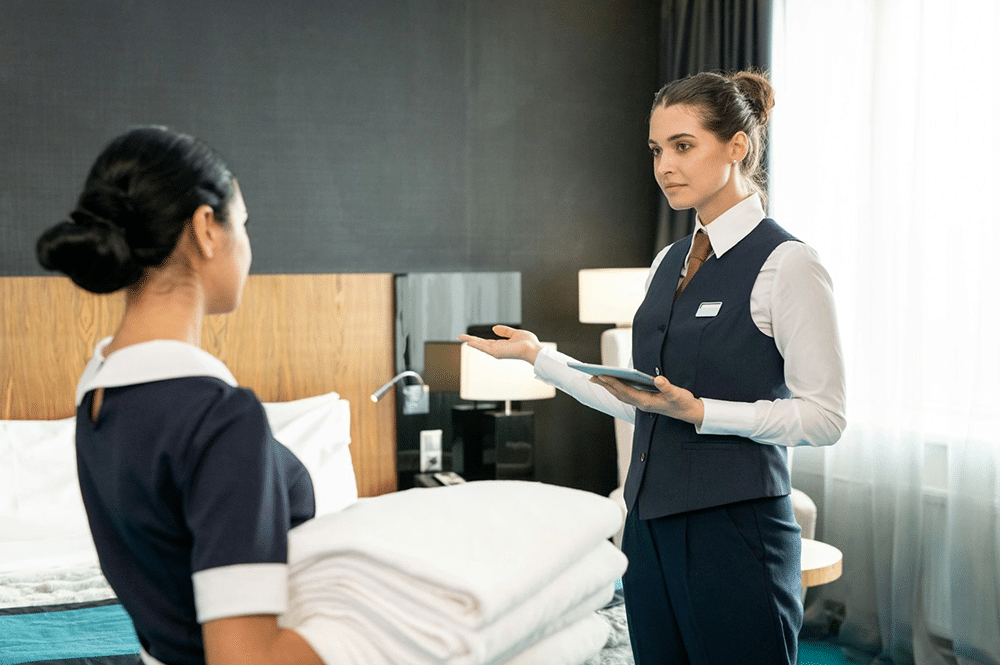
Operational changes start with technology that supports variable timing. Property management systems can automate time slots to reduce housekeeping overlaps. Smart locks enable 24-hour access while maintaining security.
Day-use inventory allows booking of rooms for specific hours, which optimizes occupancy when full stays are unavailable. Dynamic pricing for early check-in or late check-out further balances demand and revenue.
1. Housekeeping and Room Readiness Planning
Scheduling must account for staggered arrivals. Automated alerts from the PMS help teams focus on high-priority rooms first, cutting delays during busy periods.
2. Front Desk, Lobby Flow, and Waiting-Time Management
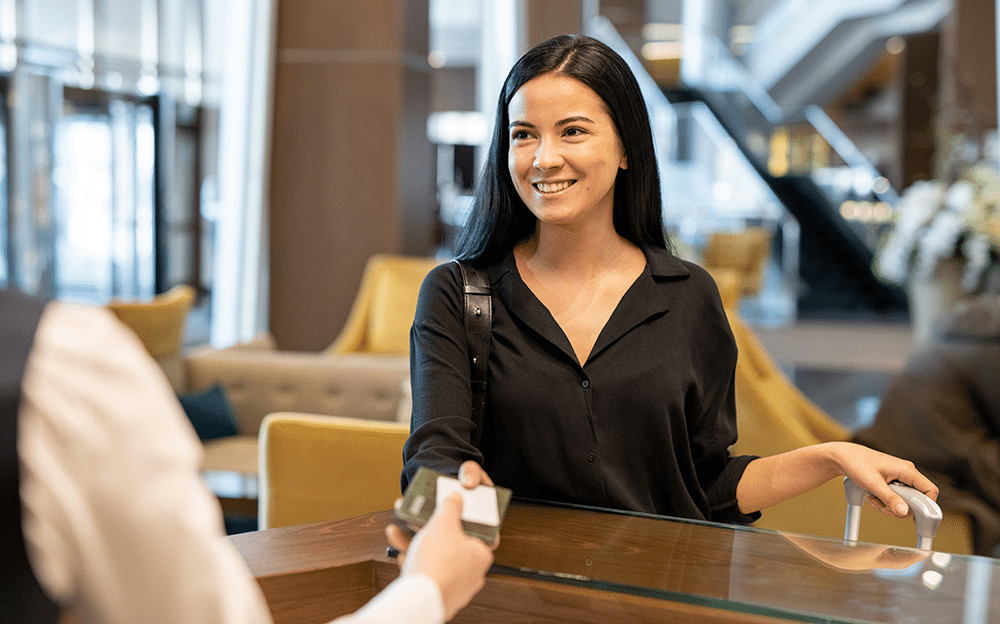
Front desk processes benefit from separate flows for standard and flexible guests. Pre-arrival registration reduces queue times and improves first impressions.
3. Day-Use Rooms and Flexible Inventory Controls
Hourly room blocks require clear inventory rules. Hotels using these controls see improved utilization during low-demand hours and reduced friction at peak times.
Communicate Options Before Guests Reach the Desk
Pre-arrival messages sent 24 hours before arrival achieve the highest uptake. Guests prefer these offers as standalone messages rather than as part of broader campaigns. Approximately 67 percent expect details on flexibility options, including luggage holding and room readiness status.
Use Upselling Without Making Flexibility Feel Transactional
Properties that price dynamically report revenue increases of up to 22 percent compared with rigid policies. Standalone offers maintain higher guest satisfaction than bundled packages. Presenting choices clearly and early prevents the perception of an add-on sale.
| Flexible Option | Best Use Case | Operational Requirement | Revenue Logic | Guest Experience Value |
| Early check-in | Morning flight arrivals, business travelers, weekend guests | Room-readiness forecast and priority housekeeping | Paid upgrade when occupancy allows | Reduces waiting time and improves first impression |
| Late check-out | Afternoon meetings, evening flights, event guests | Clear cutoff times and housekeeping coordination | Tiered pricing for extra hours | Let’s guests finish the day without rushing |
| Day-use room | Layovers, remote work, short city stays | Separate inventory rules for hourly blocks | Monetizes rooms during low-demand hours | Provides privacy, rest, and workspace without a full stay |
| Luggage support | Pre-check-in and post-checkout city plans | Front desk storage or trusted local partners | Adds value without using room inventory | Keeps guests mobile before arrival or after departure |
| Digital self-service | Late arrivals and guests avoiding queues | Mobile check-in, smart locks, or digital key access | Reduces front desk pressure | Makes arrival feel faster and more predictable |
Add Value Through Local Partnerships and Concierge Support
Concierges coordinate with venues and transport hubs for luggage needs that extend beyond standard check-out. Partnerships with nearby facilities allow guests to store items while continuing activities in the city.
When hotel storage space is limited, front desk teams can share info about nearby storage options for guests arriving early or leaving later in the day.
Improve Post-Checkout Convenience for Guests Still in the City
Guests who depart late often continue activities before travel. Clear guidance on storage locations and transport timing reduces stress and improves the overall impression of the stay.
Practical support options can include:
- Share clear luggage storage instructions before check-out.
- Recommend nearby storage or partner locations when hotel space is limited.
- Suggesting transport times based on flight, train, or event schedules.
- Offering lobby seating, charging points, or workspace for short waits.
- Creating a simple late-departure guide with restaurants, cafés and attractions near the hotel.
- Training front desk teams to explain flexible options consistently across shifts.
Track the Metrics That Show Whether Flexibility Is Working
Key performance indicators include room readiness time, check-in wait time, late check-out volume, guest satisfaction scores, ancillary revenue, and complaint rates. Hotels with standardized scheduling reduce service inconsistency complaints by 37 percent. Properties that monitor these metrics can adjust offerings quickly.
Flexible check-in and check-out have become valuable tools for improving guest satisfaction while creating new revenue opportunities. By combining smart technology, operational planning, dynamic pricing, and clear communication, hotels can deliver more convenient stays, strengthen loyalty, and maximize room profitability.
More Tips to Grow Your Business
Revfine.com is the leading knowledge platform for the hospitality and travel industry. Professionals use our insights, strategies, and actionable tips to get inspired, optimize revenue, innovate processes, and improve customer experience.Explore expert advice on management, marketing, revenue management, operations, software, and technology in our dedicated Hotel, Hospitality, and Travel & Tourism categories.





Leave A Comment