

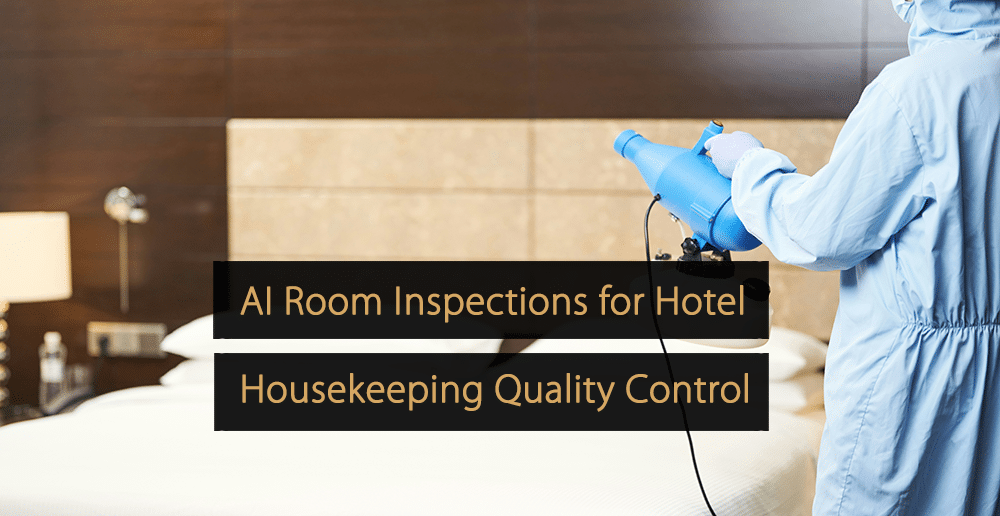
Room inspection is the last quality gate between your housekeeping team and your guest, yet at most properties, it is the least systematic step in the entire room turn. This article explains how AI-powered room inspections work, why they matter for your review scores and revenue, and how you can pilot the approach without adding headcount or disrupting your existing operation.
What Is an AI Room Inspection?
An AI room inspection uses computer vision to review photos or video of a finished room instead of relying solely on a supervisor’s walkthrough. After completing a room, your housekeeper captures the space with a phone, which typically takes less than a minute. The software then analyzes the imagery for missed cleaning tasks, damage, staging errors, and safety issues and flags only the rooms that need human follow-up.
The machine performs the exhaustive first pass, and your people handle the exceptions: instead of physically re-walking every room, your executive housekeeper reviews a short list of flagged issues, each with photographic evidence attached.
Why Inspection Quality Directly Affects Your Revenue
The commercial stakes of the quality gate are well documented. According to research from Cornell University’s Center for Hospitality Research, a one-point improvement in a hotel’s online review score on a five-point scale allows a property to raise its rates by just over 11 percent without losing occupancy. Cleanliness is one of the most heavily weighted factors in guest reviews, which means the last five minutes of a room turn carry a measurable revenue consequence.
The defects that damage those scores are rarely dramatic. They are the hair in the bathtub, the stained pillowcase, the mini-fridge that was never wiped out. Each one is small, but each one tells your guest that nobody checked the room properly, and that impression is what ends up in the review.
Why Manual Inspections Fall Short
The problem is not effort. Your housekeepers and supervisors work under real-time pressure, and on a busy checkout day, one inspector may sign off dozens of rooms in a few hours. Inspections get compressed into a glance from the doorway, and human attention is poorly suited to spotting one small anomaly in the four hundredth room of the week.
Checklists help, but a checklist records that someone looked, not what was actually there. When a guest later reports damage or a cleanliness issue, most properties have no visual record proving the condition of the room at handover, so the dispute becomes one person’s word against another’s. Sampling is the other common compromise, and the rooms that slip through are precisely the ones you never hear about until the review is published.
How AI Inspection Changes Your Operation
Three things shift when inspection becomes photographic and automated. First, coverage goes from sampled to total: every room gets reviewed, not just the handful a supervisor can physically reach. Second, feedback to your housekeeping team becomes specific and teachable because a flagged photo shows the exact missed task rather than a vague score on a form. Third, your property accumulates a timestamped visual history of room condition, which changes the mathematics of damage recovery and guest disputes entirely.
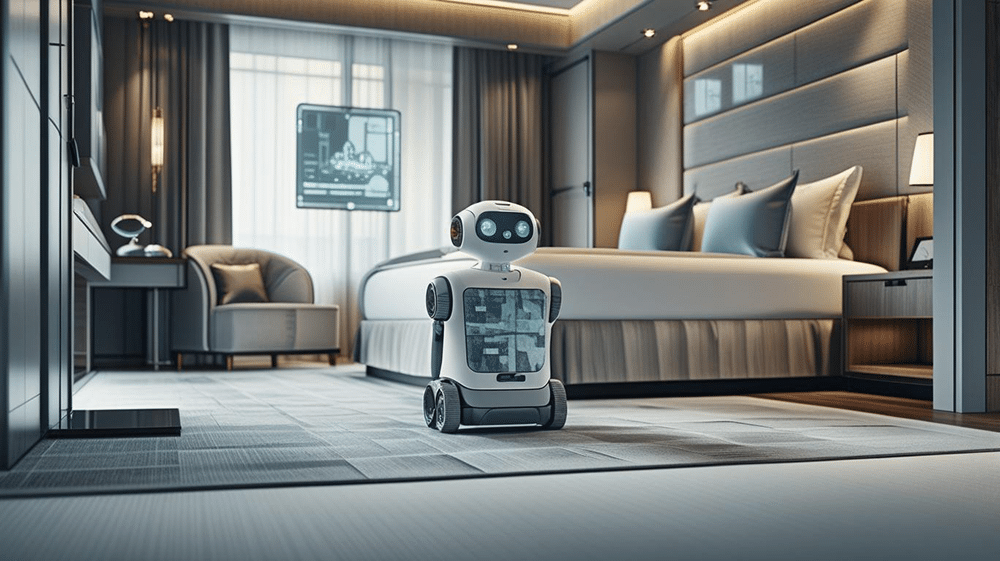
Purpose-built platforms have emerged for exactly this workflow. Platforms such as RapidEye analyze the room photos and video walkthroughs your team already captures and demonstrate how hotels use AI for quality control without adding inspection staff: the imagery becomes both the audit and the permanent condition record for every room, every turn.
Practical Tips for Piloting AI Inspections
You do not need to redesign your housekeeping operation to evaluate this technology. A contained pilot will tell you quickly whether the approach pays for itself:
- Start with one floor or room class. Keep the pilot small enough that your team can adjust the capture routine without disrupting the wider operation.
- Have housekeepers photograph completed rooms for two weeks. A consistent capture routine of the same angles in every room takes under a minute once it becomes habit.
- Compare what the software flags against what your supervisors caught. The gap between the two lists is the size of the quality problem your property has been absorbing silently.
- Track the downstream numbers. Watch cleanliness mentions in reviews, inspection labor hours, and maintenance tickets raised proactively rather than reactively.
- Involve your housekeeping team early. Position the tool as protection for their work: photographic proof of a job done well is also their defense when a guest dispute arises.
Expect the flagged-issue list to be uncomfortably long in week one and dramatically shorter within a month: specific visual feedback changes cleaning behavior faster than any scorecard.
AI Room Inspection FAQs
Total inspection coverage was out of reach as long as every check required a person in the room. That constraint is gone. Run a small pilot, measure the gap, and let the results decide how far you take it across your property.
More Tips to Grow Your Business
Revfine.com is the leading knowledge platform for the hospitality and travel industry. Professionals use our insights, strategies, and actionable tips to get inspired, optimize revenue, innovate processes, and improve customer experience.Explore expert advice on management, marketing, revenue management, operations, software, and technology in our dedicated Hotel, Hospitality, and Travel & Tourism categories.


Leave A Comment