

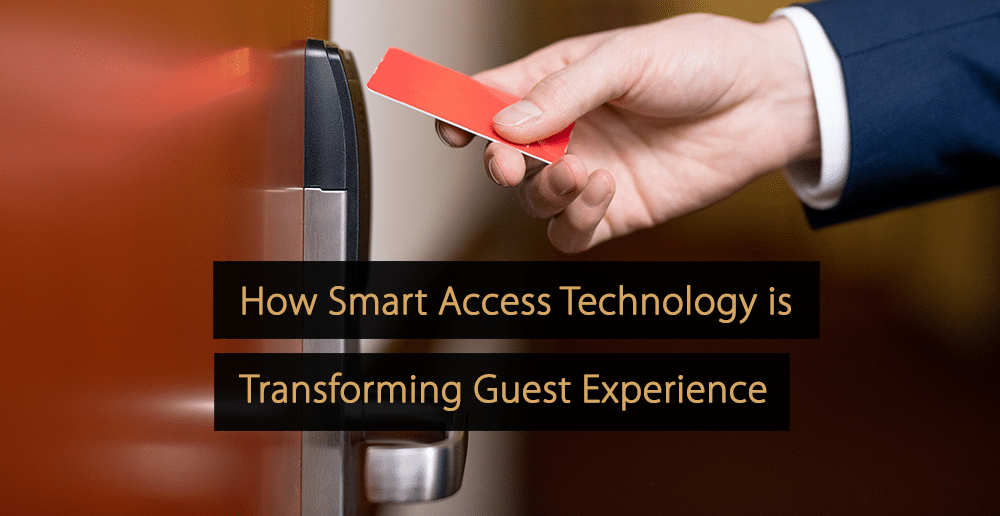
In the hospitality industry, the first impression often begins long before a guest steps into their room. The way guests access a property and its amenities often shapes their first impression of the overall experience. For years, the magnetic stripe key card was the standard, a significant step up from metal keys. Today, however, guest expectations have evolved, and technology has advanced far beyond that simple swipe. Smart facility access is no longer a futuristic concept but a vital tool for enhancing the guest experience, streamlining operations, and gathering valuable data.
Beyond the Key Card
The traditional key card, while functional, comes with its own set of challenges. Cards can be lost, demagnetized, or create queues at the front desk for issuance and replacement. Modern access solutions move beyond this single point of failure by offering a variety of convenient entry methods. These systems are part of a broader strategy for integrated physical access control that prioritizes both security and user convenience.
Hotels are now implementing options like:
- Mobile Keys: Guests can use their own smartphones to unlock doors via Bluetooth or NFC, bypassing the front desk entirely.
- Wearables: Waterproof wristbands or fobs can provide access to rooms, pools, and fitness centers without the need to carry a phone or wallet.
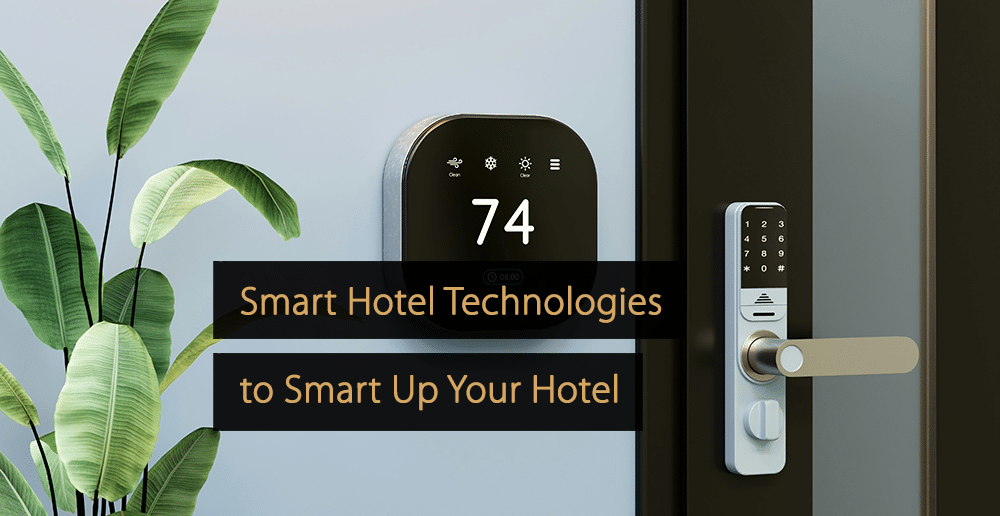
- Keypads: Secure, single-use codes can be issued for rooms, vacation rentals, or specific access points.
These technologies not only enhance the key card experience but also begin to replace it, offering a more reliable and modern alternative.
Seamless Entry for Every Guest
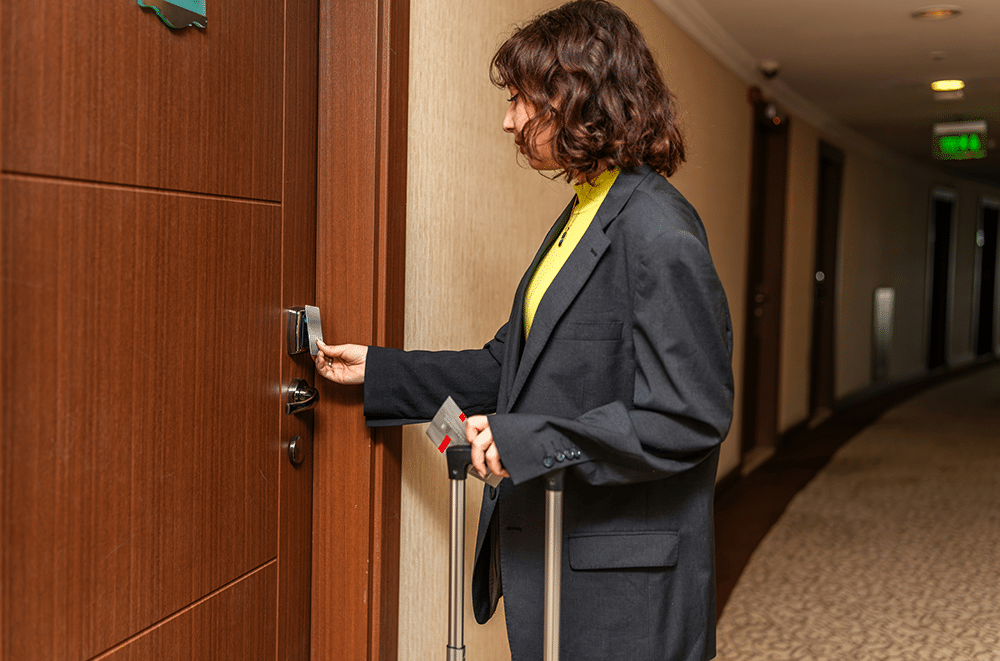
The ultimate goal of smart access is to make moving throughout the property feel effortless. When a guest can move from the parking garage to their room and then to the spa using a single, secure credential on their phone, it removes friction from their stay. This focus on creating a seamless guest journey is a hallmark of modern hospitality. Imagine a family arriving late at night. Instead of waiting in line at reception, they can head straight to their room, having already checked in and received their digital key on their mobile device. This level of convenience immediately improves guest satisfaction and leaves a lasting positive impression.
Integrating Access With Hospitality Tech
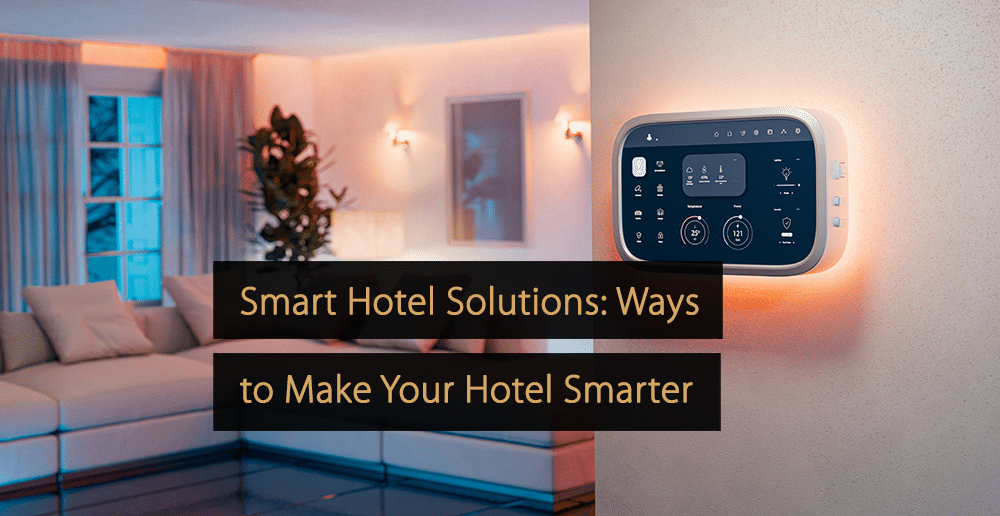
Smart access systems deliver their greatest value when integrated with other core hotel technologies. When your access control system communicates with your Property Management System (PMS), new possibilities open up. For instance, a mobile check-in can automatically trigger the creation of a digital key that is only active for the duration of the guest’s stay. When the guest first enters their room, the system can signal the smart thermostat and lighting to adjust to pre-selected preferences, creating a personalized welcome. This integration turns a simple utility like a door lock into a central part of a connected and intelligent guest environment.
Streamlining Staff Operations
The benefits of smart access extend beyond the guest. These systems provide powerful tools for streamlining staff workflows and improving operational efficiency. Instead of managing a complex system of master keys, managers can grant specific, time-limited access to staff based on their roles and schedules. Housekeeping can be granted access only to uncleaned, vacant rooms during their shift. A maintenance worker can receive temporary access to a single room to fix a reported issue. This granular control not only enhances security by creating a detailed audit trail but also empowers staff to perform their duties more effectively without unnecessary delays.

Data-Driven Insights for Better Service
Every interaction with a smart access point generates data. While respecting guest privacy, this aggregated, anonymized data can offer powerful insights into property usage. Hotel managers can analyze foot traffic to understand which amenities are most popular and at what times.
Are guests using the fitness center more in the morning or evening? Is the rooftop bar seeing less traffic than expected? This information helps optimize staffing levels, plan targeted promotions, and make informed decisions about future renovations or service offerings. By understanding how guests truly use the space, hotels can continuously refine their operations to better meet guest needs.
Ultimately, adopting smart access technology is an investment in a better future for both guests and operators. It transforms a basic necessity, getting through a door, into an opportunity to deliver superior service, increase efficiency, and build a more intelligent hotel environment.
Smart access technology is redefining hospitality by making guest entry faster, safer, and more convenient while improving operational efficiency. Hotels that integrate intelligent access solutions with connected systems can enhance guest satisfaction, streamline staff workflows, and create a smarter, more personalized stay experience.
More Tips to Grow Your Business
Revfine.com is the leading knowledge platform for the hospitality and travel industry. Professionals use our insights, strategies, and actionable tips to get inspired, optimize revenue, innovate processes, and improve customer experience.Explore expert advice on management, marketing, revenue management, operations, software, and technology in our dedicated Hotel, Hospitality, and Travel & Tourism categories.



Leave A Comment