

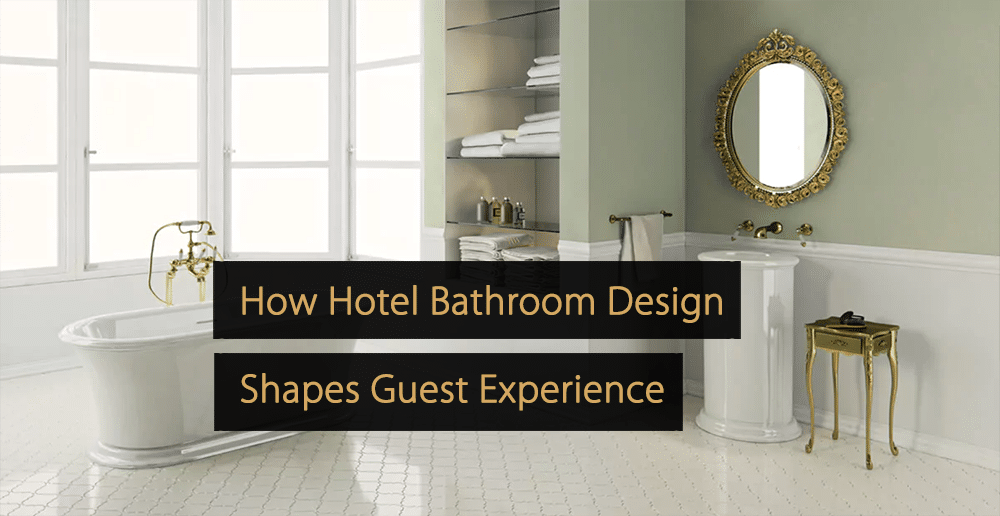
Bathrooms are one of the few parts of a hotel room that guests experience alone and at close range. There is no staff interaction to shape the moment and few distractions from the condition of the surfaces, fixtures, and fittings. This article explains how bathroom design and material choices can affect guest comfort, housekeeping workload, long-term maintenance, and the consistency of your room product.
Where the Details Get Noticed
A hotel bathroom is used more directly and more often than almost any other part of the room you offer guests. They interact with the shower, the basin, shower controls, and other fittings multiple times a day, usually alone and at close range, without the distraction of the wider room around them.
Because of that closeness, small details tend to register more clearly here than elsewhere. A worn tap, an uneven surface, or a shower that performs inconsistently can influence how a guest assesses the room overall, even when the rest of the stay met expectations. In many hotel projects, the bathroom carries more weight in a guest’s overall impression than its size in the room would suggest, which is worth keeping in mind when you set renovation priorities.
What Shapes the Guest’s Impression of Room Quality
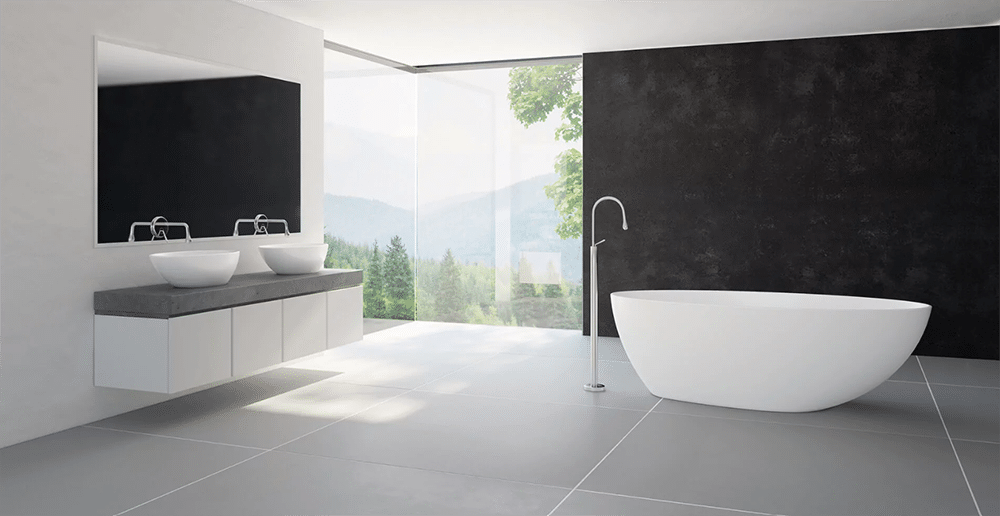
Several factors combine to create that impression, and most of them are practical rather than decorative. Visual consistency across the washbasin, bathtub or shower tray and surrounding surfaces helps a bathroom feel coherent and well planned rather than assembled from separate components. Lighting also plays a role: bathroom lighting tends to be brighter and closer than in the rest of the room, so a showroom sample may not reveal how visible unevenness in the surface finish becomes once it is installed.
Surface condition matters over time as well as on day one. A finish that shows scratches, dullness, or watermarks after a few months of use can undercut a room’s positioning, regardless of how the bathroom looked when it was installed.
In rooms with bathtubs, thermal comfort can also affect how relaxing the space feels.
A bathtub that loses heat quickly may shorten the time a guest is comfortable soaking, particularly where bathing is intended to support a more premium or leisure-focused stay. Heat retention depends on factors such as the bathtub material, construction, water volume, room temperature, and the wider installation, so it should be assessed as part of the overall specification rather than in isolation.
The bathroom experience also depends on how reliably the wider system performs, including shower comfort, drainage, and water delivery. While these factors extend beyond the fixture itself, they can influence how guests assess room quality.
Safety and Ease of Use for a Diverse Guest Base
Hotel guests vary widely in age, mobility, and familiarity with a given bathroom layout, which makes safety and ease of use a practical concern for your property rather than a marginal one. In wet areas, slip resistance, secure handholds where appropriate, and manageable thresholds can matter for families with young children, older guests, and guests with reduced mobility.
These features do not need to look clinical to be effective. Well-designed fixtures can support safety and accessibility while still fitting the property’s chosen aesthetic. When specified and maintained correctly, these details reduce risk without requiring guests to notice them at all, which is generally a sign that they are working as intended. Accessibility requirements and local building regulations should also be assessed as part of the specification process, especially for accessible rooms and public areas.
The Operational Side: Housekeeping and Maintenance
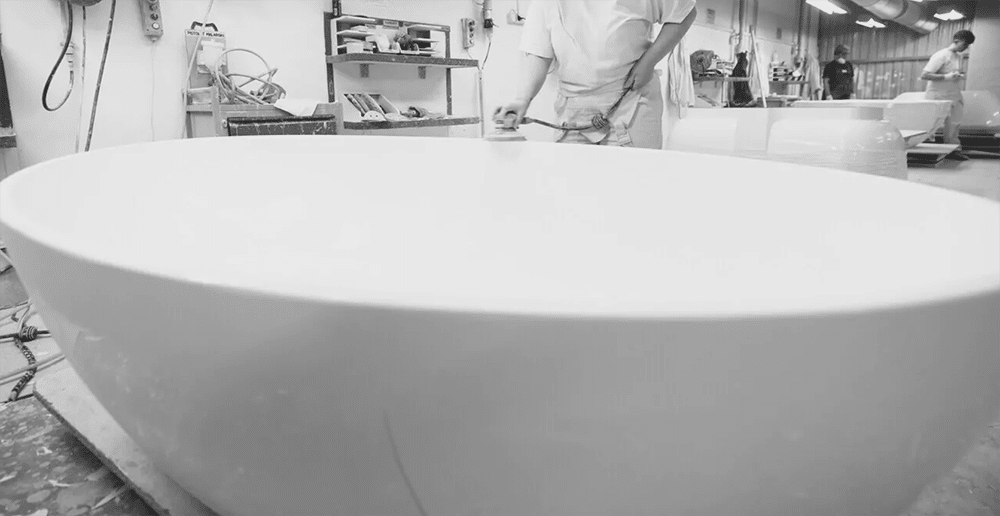
Bathroom fixtures affect more than guest perception. They also shape the housekeeping workload your team deals with every day. Surfaces that are simple to wipe down and resistant to staining can make it easier for housekeeping teams to return rooms to the required standard between stays, particularly where turnaround times are tight or occupancy is high.
Material choice also affects your maintenance exposure. The relationship between material, surface finish, and cleaning chemistry is particularly important: depending on the product and maintenance routine, frequent use of commercial-grade cleaning agents can affect appearance, staining resistance, or surface wear over time. Fixtures that retain a consistent appearance under regular use may require less frequent intervention and can help limit room downtime associated with repairs or replacement.
Planning for Consistency Across Many Rooms
A single bathroom is straightforward to specify well. A property with dozens or hundreds of rooms is a different exercise, because the fixtures you choose need to look and perform consistently across every one of them, often for many years and across more than one procurement cycle.
Batch consistency becomes relevant here. Fixtures ordered at different times should match closely enough in color, finish, and dimensions to preserve a coherent room standard, while procurement teams should also confirm how the supplier manages model changes, tolerances, and replacement availability over time. Repairability is another factor worth weighing at the specification stage, since a material that allows minor damage to be addressed locally can reduce disruption compared with one that requires a full unit replacement.
Examples of bathroom fixtures developed for hotel projects, see Marmorin for illustration, can help you understand how hospitality requirements differ from residential bathroom specifications, particularly around durability, repairability and consistency across large orders. Availability of matching replacement units later in a property’s lifecycle is also worth confirming before you commit to a supplier, since renovation planning is easier when replacement parts remain available for years rather than only during the original production run.
Total Cost of Ownership, Not Just Purchase Price
Procurement decisions for hotel bathrooms are often made primarily on unit price, particularly across large orders where small per-unit savings add up. That approach can overlook costs that appear later: more frequent replacement, higher maintenance labor, or disruption caused by taking rooms out of service for repairs.
A more complete view accounts for expected lifespan, ease of maintenance, repair costs, and how long a fixture is likely to remain visually consistent with the rest of your property. Depending on the property type and operating model, a slightly higher upfront cost can be offset by lower long-term operating costs, though this varies enough between projects to be worth assessing case by case rather than assuming it applies universally.
What to Check Before Specifying Hotel Bathroom Fixtures
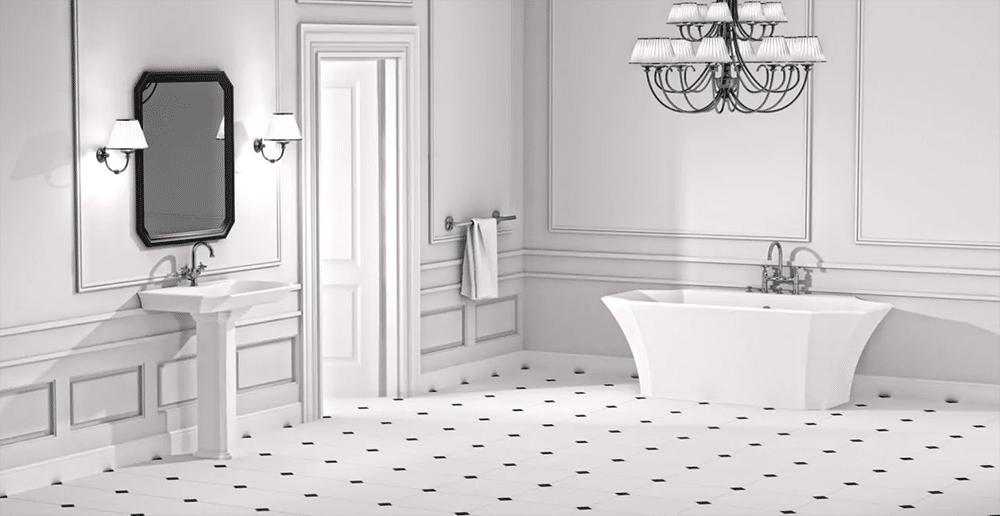
Before you finalize a hotel bathroom renovation or fixture order, working through a short set of practical questions can help:
- Is the fixture suitable and tested for its intended use, including anti-slip performance where relevant?
- Does the design support ergonomics and accessibility for guests of different ages and mobility levels?
- How compatible is the surface with your housekeeping routine and standard cleaning products?
- How well does the material resist wear from frequent use and regular commercial cleaning?
- If damage occurs, can it be repaired locally, or does it require full replacement?
- How consistent is the finish likely to be across a larger order, and will matching units remain available later?
- What warranty terms, lead times, and the process for handling defects does the supplier offer?
- What is the expected long-term operating cost, rather than only the initial purchase price?
Bathroom decisions rarely make headlines in a hotel renovation, but they influence guest comfort, housekeeping workload, and long-term costs in ways that compound over time. Weighing these factors early, alongside design and budget, can help you build a more consistent and durable room product.
Hotel bathroom design influences far more than appearance. Choosing durable, easy-to-maintain fixtures with consistent finishes, reliable performance, accessibility, and long-term repairability can improve guest satisfaction, reduce housekeeping and maintenance demands, and protect the value of your room product over time.
More Tips to Grow Your Business
Revfine.com is the leading knowledge platform for the hospitality and travel industry. Professionals use our insights, strategies, and actionable tips to get inspired, optimize revenue, innovate processes, and improve customer experience.Explore expert advice on management, marketing, revenue management, operations, software, and technology in our dedicated Hotel, Hospitality, and Travel & Tourism categories.






Leave A Comment