


Dynamic pricing is often described as though it were one technique. It is not. It is a family of very different decisions that happen to share a principle: the price of a perishable or competitive product should reflect current demand rather than a number set months ago.
The mechanics look nothing alike across sectors. A revenue manager moving a rate because occupancy pace is running ahead of last year is solving a different problem from a retailer reacting to a competitor discount overnight.
Below are ten concrete examples, starting with the sectors that have practiced this longest and ending with the one that adopted it most recently.
What Separates Dynamic Pricing From a Discount Calendar
Plenty of prices change over time without being dynamic. A seasonal rate card, a January sale, and an early-bird tier all vary the price, but each one is decided in advance and published.
Dynamic pricing differs in a single respect. The decision is made from information that did not exist when the plan was written. The rate for a Tuesday in March depends on what has been booked by February.
That distinction has practical consequences. A discount calendar can be managed in a spreadsheet by one person. A dynamic model needs a live signal, a rule that acts on it, and limits that stop it acting foolishly.
The sectors below adopted it in roughly the order their inventory perishes.

Hotels and Accommodation
Hotels adjust prices using occupancy pace, booking windows, stay patterns, and package flexibility to maximize revenue from perishable room inventory.
1. Rates That Move With Occupancy Pace and Lead Time
The foundational example. A property compares rooms sold for a future date against where that date normally sits at the same point in the booking curve.
Running ahead of pace suggests demand is stronger than forecast, so the rate rises, and the remaining inventory earns more. Running behind pace pulls the rate down to stimulate bookings while there is still time to fill.
The important detail is that the trigger is not the calendar date. It is the gap between actual and expected pace for that specific date.
2. Length-of-Stay and Arrival-Day Rules
Not every booking is worth the same to a property, even at the same nightly rate.
A one-night Saturday booking can block a three-night stay that would have filled the shoulder nights around it. Minimum-stay restrictions, closed-to-arrival rules, and stay-through pricing exist to protect the shape of the week, not just the rate.
This is dynamic pricing expressed as availability rather than as a number, which is why it is easy to overlook when comparing sectors.
3. Repricing the Package Rather Than the Room
When rate parity limits how visibly a room-only rate can move, the package becomes the flexible unit.
Breakfast, parking, late checkout, and flexible cancellation get bundled, unbundled, and repriced to change the effective rate without touching the headline number. The guest sees a different offer rather than a different price.
4. Distressed Inventory and The Closing Window
An unsold room tonight is worth nothing tomorrow. That is the definition of perishable inventory, and it produces the sharpest pricing behavior in the sector.
In the final days before arrival, rates that had been held firm often drop quickly, because the alternative is zero revenue. The risk is training guests to wait, which is why many properties discount availability and conditions before they discount the rate itself.

Car Rental
Car rental companies adjust rates according to local fleet availability, utilization, and repositioning needs across branches and changing travel dates.
5. Fleet Utilization At Branch Level
Car rental prices respond to something more local than market demand: how many vehicles are physically sitting at that branch, in that class, on that day.
As utilization climbs toward full, the price of the remaining vehicles rises steeply. Two branches in the same city can quote very different rates on the same morning for the same car, purely because one has eight left and the other has one.
This makes car rental one of the most volatile pricing environments in travel, and it is why quotes can change within hours.
6. One-Way and Repositioning Rates
Fleets drift. Cars accumulate where people drop them off and run short where people want to collect them, and moving a vehicle back costs real money.
So pricing does the work instead. A one-way rental in the direction the operator needs vehicles to travel can be priced below a return rental, sometimes dramatically, while the same route in the opposite direction carries a premium.
The customer sees a bargain. The operator is buying logistics at a discount.
Airlines, Rail and Ferries
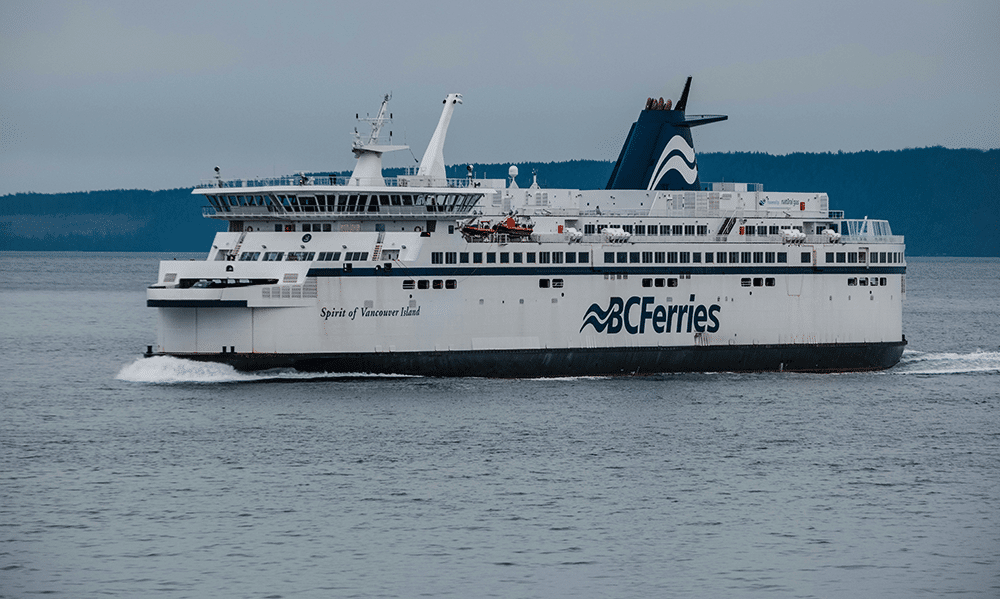
Airlines, rail operators, and ferries use fare buckets and booking curves to raise prices as cheaper inventory gradually sells out.
7. Fare Buckets Along the Booking Curve
Airline pricing is frequently misdescribed as a continuous algorithm reacting to each search. In practice, a fare is usually drawn from a limited set of buckets, each with a fixed price and a controlled number of seats.
The price you see changes when a bucket sells out and the next one opens, not because a system decided you personally looked willing to pay more.
Rail and ferry operators use a simplified version of the same structure, with advance-purchase tiers that close as departure approaches.

Attractions, Events and Parking
Attractions, events, and parking operators use demand tiers to manage capacity, spread visitor traffic, and optimize revenue across time slots.
8. Timed Entry and Demand Tiers
Museums, theme parks, stadium events, and city parking have adopted demand-based tiers rapidly, usually with a secondary goal beyond revenue.
Pricing a Saturday afternoon slot above a Tuesday morning slot spreads visitors across the week. That protects the experience and the staffing model as much as it protects the margin.
Published tiers set in advance are common here, because visible fairness matters more when the buyer is a family rather than a business traveler.
It is a useful reminder that dynamic pricing does not have to mean opaque pricing. Announcing the tiers in advance keeps most of the demand-shaping benefit and removes most of the complaints.
The Same Mechanics Are Now Standard in Retail
Everything above depends on one thing: a live view of the market. Travel operators built that decades ago through rate-shopping and competitive-set reporting.
Retail arrived later but reached the same requirement. An online retailer cannot reprice sensibly without knowing what comparable sellers are charging right now, which is the job a price monitoring platform such as Altosight does across websites and marketplaces.
The difference is what the data feeds. In travel, it feeds a forecast of demand. In retail, it feeds a comparison against competitors, and the two produce very different pricing behavior.
9. Competitor-Driven Repricing in E-Commerce
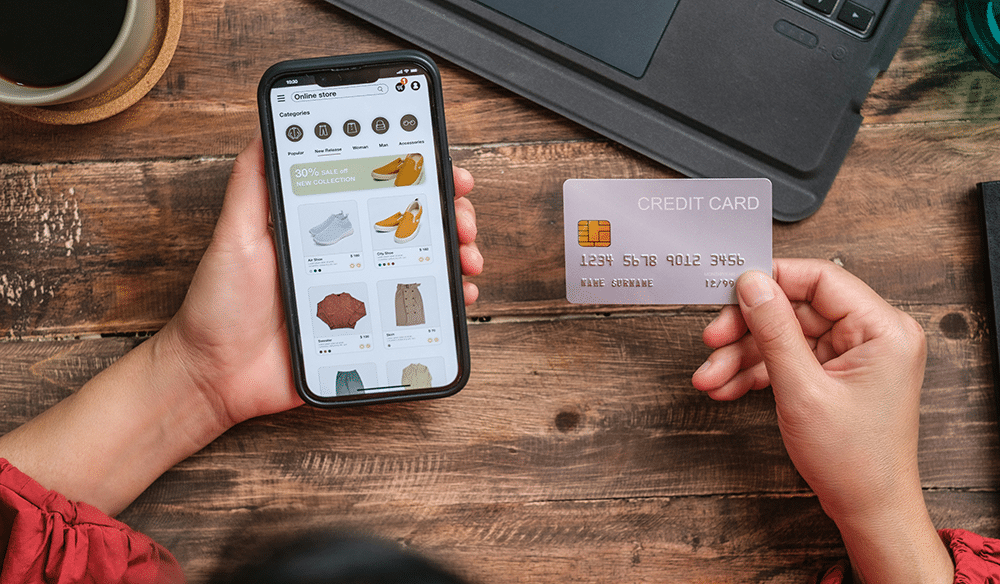
The most common retail example. A rule watches a defined set of competitors on a defined set of products and adjusts the price within limits the retailer sets.
Those limits are the entire discipline. A well-built rule carries a hard floor based on landed cost and target margin, an upper bound so the price stays credible, and instructions on which competitors to respect and which to ignore.
This is where dynamic pricing software differs from a spreadsheet exercise. The rule has to run continuously, act only on verified matches of the same product, and refuse to follow a competitor whose price makes no sense.
Retailers who skip the guardrails discover the failure mode quickly. A meaningful share of competitor price drops are clearance events, feed errors, or plain mistakes, and blind matching transmits those mistakes across a whole market within hours.
10. Marketplace Repricing Against the Offer
On marketplaces, the unit of competition is narrower. Several sellers list against the same product page, and placement depends on price alongside fulfillment and seller metrics.
Repricing here is a response to specific rival offers rather than to market demand, and it happens far more frequently than on a retailer’s own webshop. It is closer in tempo to car rental than to hotel rate management.
It also produces a behavior travel operators would recognize. When several automated sellers respond to each other within minutes, prices can spiral downward with nothing underneath them, which is exactly what a floor exists to prevent.
What the Ten Examples Have in Common
Strip away the sector language and every example does the same three things.
- It reads a live signal. Occupancy pace, fleet availability, seats sold, or competitor prices.
- It applies a rule with limits. Rate floors, fare buckets, minimum stays, or margin guardrails.
- It acts before the opportunity expires. Perishability is what makes the whole exercise worth automating.
What differs is the signal each sector watches, which is the practical question when adapting an approach from one industry to another.
| Sector | What Actually Triggers the Price Change |
| Hotels | Occupancy pace against the expected booking curve for that date |
| Car rental | Vehicles still available in that class at that branch |
| Airlines and rail | Seats sold, moving the fare into the next bucket |
| Attractions and events | Tickets sold per time slot, plus crowd management goals |
| E-commerce | Competitor prices and stock, bounded by a margin floor. |
Where Dynamic Pricing Goes Wrong
Three failure modes appear across every sector, and none of them is a technology problem.
Chasing a bad number. A competitor clearing stock, a mispriced fare, or a feed error is not a market signal. Systems that react without a sanity check propagate other people’s mistakes and call it responsiveness.
Training the customer to wait. If prices reliably fall close to the date, buyers learn to book late. Hotels have spent years unwinding this, and retailers repeat it every time they discount on a predictable weekly cycle.
Losing the trust argument. Buyers accept that a Saturday room costs more than a Tuesday one. They react badly to pricing that appears to target them personally. Rules based on inventory and timing are defensible in a way that rules based on the individual are not.
It is also worth questioning the assumption that the lowest price wins. Availability, delivery speed, flexibility, and trust often carry more weight than a small gap, in a hotel booking and a checkout alike.
How to Start Without Over-Engineering It
Sectors that do this well did not begin with a full optimization engine.
- Pick a narrow segment first. One rate plan, one branch, one product category.
- Write the limits before the rules. Decide the floor, the ceiling, and the exceptions while nobody is under pressure.
- Get the data right before the logic. A rule acting on the wrong comparison is worse than no rule at all.
- Measure against a control. Keep a comparable segment on static pricing long enough to prove the difference.
There is also a strong case for borrowing across sectors rather than within them.
Retailers have a great deal to learn from how hotels handle perishability and customer trust. Travel operators, in turn, are increasingly exposed to the retail problem of competitors who reprice automatically and continuously rather than through a revenue meeting.
The common thread across all ten examples is not sophistication. It is discipline about what the price is allowed to do, and a reliable view of the signal it is responding to.
Dynamic pricing works best when businesses combine reliable live data with clear pricing rules, limits, and customer trust. Across hotels, rentals, travel, events, and retail, success depends less on complexity and more on disciplined decisions made before opportunities disappear.
More Tips to Grow Your Business
Revfine.com is the leading knowledge platform for the hospitality and travel industry. Professionals use our insights, strategies, and actionable tips to get inspired, optimize revenue, innovate processes, and improve customer experience.Explore expert advice on management, marketing, revenue management, operations, software, and technology in our dedicated Hotel, Hospitality, and Travel & Tourism categories.






Leave A Comment