



Hotel Energy Solution: Save Money and The Planet
The right hotel energy solution is a major concern for any hotel business. Rising energy costs can dramatically affect your bottom line. In addition, today's eco-minded travelers are increasingly concerned with the impact of their stay on the environment. In this article, you'll learn how your hotel business can reduce costs, attract more guests, and care for the planet at the same time. Table of Contents: Understanding the Hotel Industry: Hospitality, Accommodation and More Sustainable
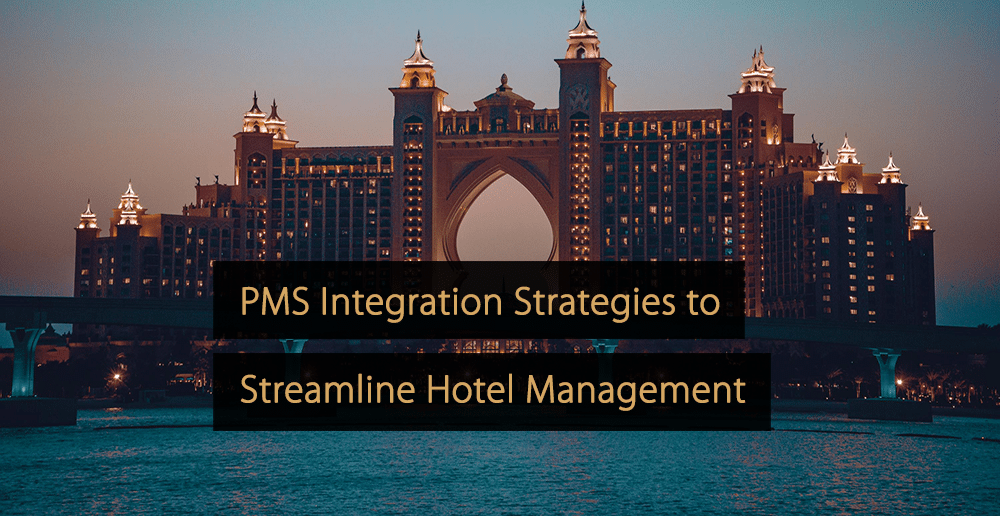
PMS Integration Strategies to Streamline Hotel Management
PMS integration refers to the capacity for a property management system (PMS) to connect with other hotel systems. By connecting your PMS to systems like booking engines, CRM software, and channel managers, you can share data. Sharing this data between systems can boost efficiency, reduce data duplication, and prevent inconsistencies. It can also reduce or eliminate the need for manual data entry, improve accuracy, and create a more unified ecosystem. In this article, you can

Why Most Hotel Forecasts Fail Before They Start
Forecasting sits at the heart of every hotel strategy. Yet in many organizations, it remains slow, reactive, and quietly mistrusted. Not because teams lack skill, but because the data behind the forecast is fragmented. This article explores why forecasting breaks down and how aligning your data changes not just accuracy, but the speed and confidence of every decision. Forecasting Is Not Broken. The Foundation Is. Let’s be honest. Most hotel forecasts do not fail because

From Volatility to Visibility: Why Forecasting Sophistication Matters More Than Ever for Hotels
Volatility has become the defining characteristic of the modern travel economy. The forces shaping demand today, geopolitical tensions, economic swings, rapid changes in airline capacity, shifting traveler psychology, and rising operating costs, are no longer rare disruptions. They’re the backdrop against which hotels must perform every single day. Turning Volatility Into Revenue Confidence Booking patterns that once followed a predictable arc now shift in sharp, irregular movements. Travelers book later, cancel more often, and respond

What Is Average Length of Stay (ALOS) in Hotels?
Average Length of Stay (ALOS) is the average number of nights represented by each hotel stay during a defined period. It matters because stay duration changes how inventory is consumed and how frequently rooms turn over, so two hotels with identical occupancy can have very different operating and revenue patterns. Key Takeaways: ALOS measures nights per reservation, not nights per trip, so it tracks booking behavior rather than travel demand. Every night after the first avoids a new commission, a new arrival clean, and a new check-in. A good ALOS is set by your market and segment mix, not

How AI Agents in Housekeeping are Improving Room Readiness
AI agents in hotel housekeeping are software systems that read live operational data, prioritize cleaning work, take approved actions, and escalate exceptions on their own. An AI agent is software that pursues a defined goal without waiting for instructions. In housekeeping, the goal is to have every room ready at the right moment with the fewest wasted labor minutes. Key Takeaways: AI agents are creating value by coordinating room readiness decisions, not replacing the physical

How Is Agentic AI Delivering ROI and Reshaping Hospitality?
Question for Hospitality Industry Expert Panel Which hotel operations are delivering measurable ROI from Agentic AI today, and how are hotels restructuring teams to manage accountability and trust these systems? (Question by Daniel Zelling) Our Hospitality Expert Panel Mariska van Heemskerk - Owner, Revenue Management Works Massimiliano Terzulli - International Business Developer, Franco Grasso Revenue Team Paul Ryan - CEO & Co-Founder, Otel AI Michael J. Goldrich -
What Skills Do Hotel Marketers Need in the AI Era?
Question for Our Hotel Marketing Expert Panel What are the top skills hotel marketing teams need to ensure success in an AI-driven hospitality landscape? How can they improve and future-proof their skills to leverage AI to its full potential? Our Marketing Expert Panel
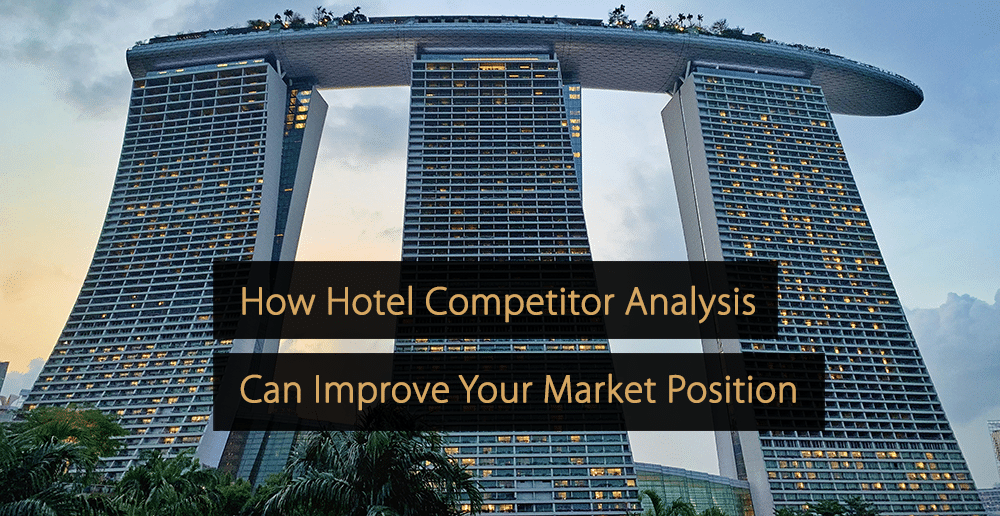
How Hotel Competitor Analysis Can Improve Your Market Position
Hotel competitor analysis is a systematic process where you evaluate rival properties. This allows you to get a clear sense of their strengths, weaknesses, reputation, unique selling proposition, and overall market position. Analyzing competitors is important because it allows you to make more strategic decisions about your own pricing, marketing,
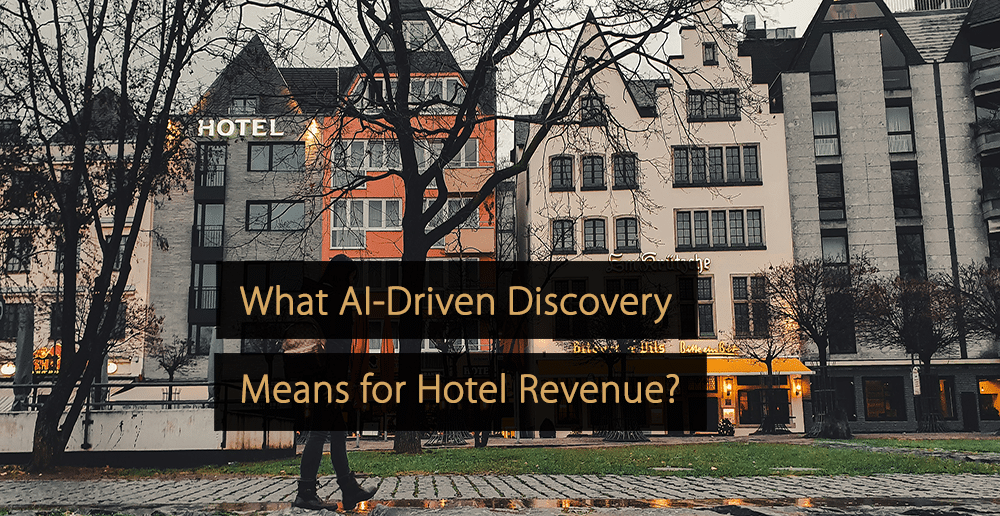
What AI-Driven Discovery Means for Hotel Revenue?
AI-driven discovery is changing how travelers find hotels, compare options, and decide where to book. Instead of browsing pages of search results, guests increasingly ask AI tools for specific recommendations based on budget, location, amenities, and preferences. This shift has major implications for hotel revenue, channel mix, OTA dependency, and