



From Volatility to Visibility: Why Forecasting Sophistication Matters More Than Ever for Hotels
Volatility has become the defining characteristic of the modern travel economy. The forces shaping demand today, geopolitical tensions, economic swings, rapid changes in airline capacity, shifting traveler psychology, and rising operating costs, are no longer rare disruptions. They’re the backdrop against which hotels must perform every single day. Turning Volatility Into Revenue Confidence Booking patterns that once followed a predictable arc now shift in sharp, irregular movements. Travelers book later, cancel more often, and respond

Are Revenue Managers the New Risk Managers?
Revenue managers have traditionally worked toward a fairly straightforward goal: maximize revenue. That meant pushing rates when demand was strong, filling rooms when it softened, and staying one step ahead of the competition. But in 2026, that playbook is becoming harder to rely on. From Revenue Growth to Profit Protection Pricing power is weakening as travelers grow more price-sensitive, while operating costs continue to climb. At the same time, demand is becoming less predictable, breaking
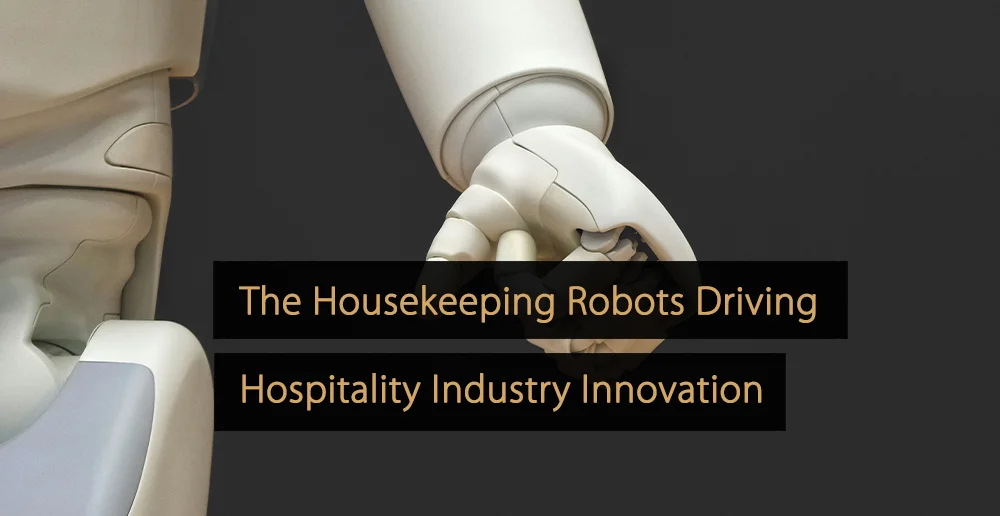
The Housekeeping Robots Driving Hospitality Industry Innovation
Housekeeping robots are machines capable of carrying out tasks typically associated with housekeeping departments, such as cleaning, tidying, and moving objects. These machines are used to reduce the workload of housekeeping staff and improve operational efficiency. In this article, you can learn more about housekeeping robots and explore examples of some of the most innovative robots in use right now. Table of Contents: Understanding Robotics in the Hospitality Industry What is a Housekeeping Robot in
AI Agents in the Travel Industry: Use Cases, ROI, and Strategy
AI agents in the travel industry are autonomous software systems that are able to work independently to achieve specific goals. They do not require human intervention and can make decisions and learn from outcomes over time. Within the travel industry, AI agents are useful as the industry currently faces key challenges that they can assist with. These agents can simplify booking processes, meet traveler demands for personalization, and optimize pricing. In this article, you'll learn

What Is Average Length of Stay (ALOS) in Hotels?
Average Length of Stay (ALOS) is the average number of nights represented by each hotel stay during a defined period. It matters because stay duration changes how inventory is consumed and how frequently rooms turn over, so two hotels with identical occupancy can have very different operating and revenue patterns. Key Takeaways: ALOS measures nights per reservation, not nights per trip, so it tracks booking behavior rather than travel demand. Every night after the first avoids a new commission, a new arrival clean, and a new check-in. A good ALOS is set by your market and segment mix, not

How Is Agentic AI Delivering ROI and Reshaping Hospitality?
Question for Hospitality Industry Expert Panel Which hotel operations are delivering measurable ROI from Agentic AI today, and how are hotels restructuring teams to manage accountability and trust these systems? (Question by Daniel Zelling) Our Hospitality Expert Panel Mariska van Heemskerk - Owner, Revenue Management Works Massimiliano Terzulli - International Business Developer, Franco Grasso Revenue Team Paul Ryan - CEO & Co-Founder, Otel AI Michael J. Goldrich -

How AI Is Reshaping Hotel Pricing And Distribution Strategy
Question for Our Revenue Management Expert Panel As more travellers use AI to research hotels, how will this impact hotel pricing, rate parity and distribution strategies? Our Revenue Management Expert Panel Ric van Holthe tot Echten - Founder & Managing Partner, Revenue Guru Massimiliano Terzulli - International Business Developer, Franco Grasso Revenue Team Dermot Herlihy - Group Revenue Director, Orascoma Hotels Management Tawana Muratu - Group Revenue
What AI-Driven Discovery Means for Hotel Revenue?
AI-driven discovery is changing how travelers find hotels, compare options, and decide where to book. Instead of browsing pages of search results, guests increasingly ask AI tools for specific recommendations based on budget, location, amenities, and preferences. This shift has major implications for hotel revenue, channel mix, OTA dependency, and
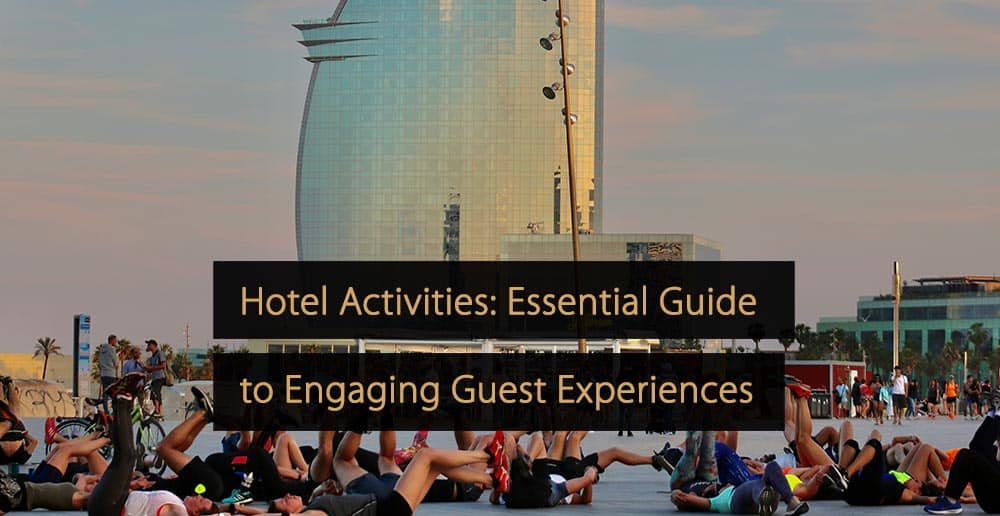
Hotel Activities: Essential Guide to Engaging Guest Experiences
Hotel activities are the various things guests can do for enjoyment during their stay. Examples can range from spa treatments and live entertainment, to city tours and outdoor adventure activities. The hotel activities on offer can make a huge difference to the guest experience, helping to create memorable moments. Designing
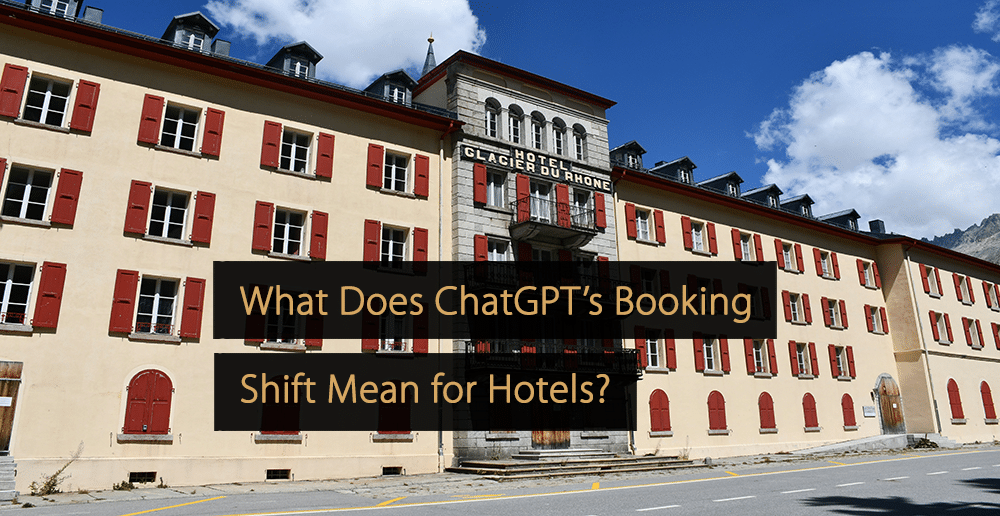
What Does ChatGPT’s Booking Shift Mean for Hotels
AI search is quickly changing how travelers discover, compare, and choose hotels. As ChatGPT moves away from completing transactions inside the platform, hotels have a stronger opportunity to turn AI-driven discovery into direct website traffic. This shift makes Generative Engine Optimization more important than ever. Hotel websites need clear answers,