


Boston has a reputation for being expensive, but it’s actually perfectly possible to have a lot of fun in Boston on a budget. If you balance your finances well (for example, offsetting accommodation costs by taking advantage of the city’s walkability), you can have a full and productive trip to Boston without overspending. In this article, you’ll learn how.
Pick the Right Area to Stay In
Core areas of Boston, like Back Bay and Beacon Hill, can be very expensive to stay in, but you can save money by looking for hotels in Boston a bit further from the center. Boston has relatively good public transport links, so even staying across the river in Cambridge can be a good way to save money without putting you out of reach of the main Boston attractions.
It’s also worth bearing in mind that prices often differ depending on the timing of your stay. Weekends and school vacations are often more expensive than term-time weekdays, for example. Big conventions, conferences, and concerts can also push up prices. So, research what’s going on in the city before you book anything – waiting a week or so can be very good for your wallet.
Take Advantage of Boston’s Walkability
If you do decide to splash out on central accommodation, you can offset some of the costs by taking advantage of the city’s walkability. Rather than relying on taxis, rideshares, and public transport, group your itinerary by location and do as much as you can on foot.
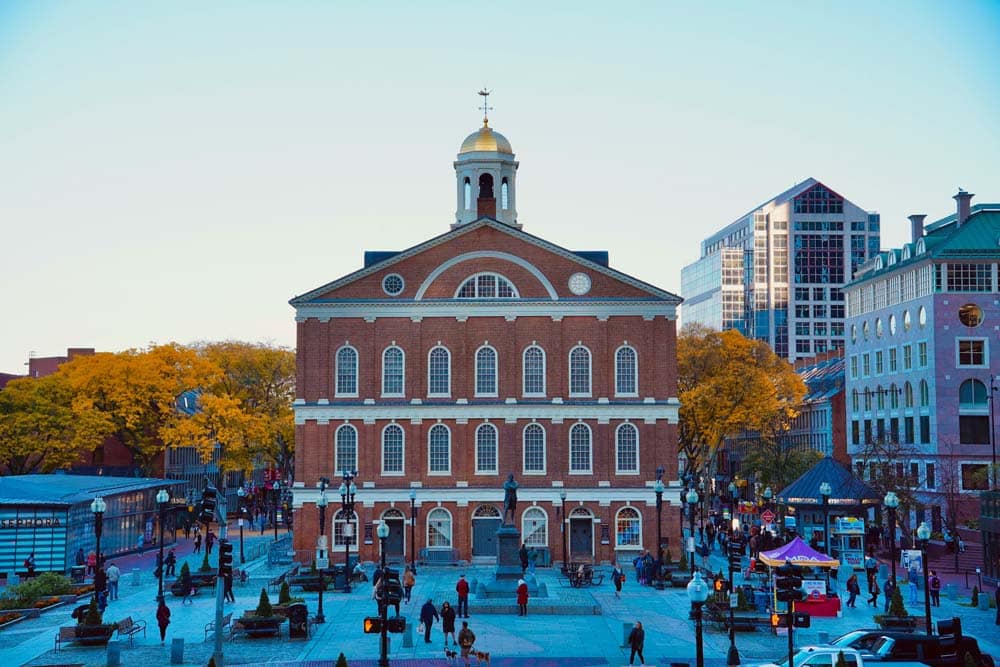
Many major Boston attractions are relatively close together. For example, you can walk from Boston Common to Faneuil Hall in less than 30 minutes, passing several historic areas on the way. Similarly, you can explore the Freedom Trail, Beacon Hill, and the North End quite comfortably without needing to set foot in a vehicle.
Of course, if you want to get out into wider Massachusetts, you will need to find transport. But, in general, Boston itself is walkable enough to let you save a substantial amount on train, bus, and taxi fares or on gas and parking charges if you’re in your own vehicle.
Focus on Low-cost Food Experiences
Boston has a great food scene, but some restaurants can be expensive – especially in tourist districts. However, there are plenty of casual dining options, and they’re often much tastier and more authentic than the pricier tourist venues.
Seek out family-run Italian bakeries in the North End, or seafood shacks and casual lobster roll sellers along the Waterfront. Chinatown is also a great place to explore if you’re looking for budget eats – there are some fantastic dumpling spots that will give you a huge amount of food at very reasonable prices. You’ll also find plenty of sandwich shops, delis, and markets throughout the city, which are usually good for a big meal on a budget.
Head for Free and Low-cost Attractions
There’s a lot to do for free or at very low cost in Boston. Boston has many historic public spaces where you can soak up history, take photos, and learn about the city’s past without spending a single cent. The Boston Public Library is also well worth seeing, and it’s totally free to get in. Further, a lot of museums have discounted entry periods, so it’s worth checking on the website if you’ve got a particular museum in mind.
There are also many lovely outdoor spaces you can enjoy for free. The Charles River paths are beautiful and will take you past a number of interesting and historic locations. Then there’s the Public Garden – the first botanical garden in America and still stunning to this day. It’s totally free to enter, and it’s right next to Boston Common – another great free area.
Avoid Tourist-trap Pricing
Touristy areas, such as Faneuil Hall and its surrounds and parts of the Waterfront, can be very overpriced. Souvenir shops and chain restaurants in particular often charge inflated prices, and these prices tend to rise during major events.
So, if you absolutely must engage with tourist hotspots, it’s often a good idea to check local event calendars before adding anything to your itinerary. Then, to save money, avoid the chain restaurants and head to neighborhood cafes and restaurants away from the major tourist clusters.
Seasonality can also be a big factor here. Accommodation and dining prices tend to fluctuate heavily by season in Boston. There’s usually a surge during the fall for people who want to see the fall foliage in Massachusetts, and the school summer vacations also raise prices. Visiting in winter may be chilly, but it’s often also cheaper – assuming that you visit outside the holidays. Early spring is also often a good time to visit Boston on a budget.
Watch Out for Small Drains on Your Budget
Smaller purchases can often be worse for your budget in Boston than bigger expenses. Coffee, snacks, transport costs, entry fees, and souvenir-hunting can quickly add up and drain your wallet faster than you’d expect.
To avoid this kind of spending creep, set realistic daily budgets and stick to them as closely as possible. Use supermarkets and cafes strategically to avoid overspending on snacks, carry water with you, and avoid impulse spending. If you can, also prioritize one major paid activity per day in order to minimize spending on multiple smaller attractions.
Use Boston’s Student Culture to Your Advantage
Boston is home to a huge student population thanks to the number of colleges and universities in and around the city. This has a big effect on prices in certain neighborhoods. Areas that cater to students often have cheaper food, more affordable entertainment options, and plenty of casual places to spend time without spending much money.
Cambridge and Somerville are good places to head if you are trying to keep costs under control. Independent coffee shops, second-hand bookstores, community events, and budget-friendly restaurants are common throughout these areas. You can easily spend an afternoon exploring without constantly reaching for your wallet.
Student areas can also be useful when you need practical services. Affordable grocery stores, inexpensive takeout options, and reasonably priced public transport connections make it easier to stretch your budget throughout your stay.
Make the Most of Boston’s Waterfront
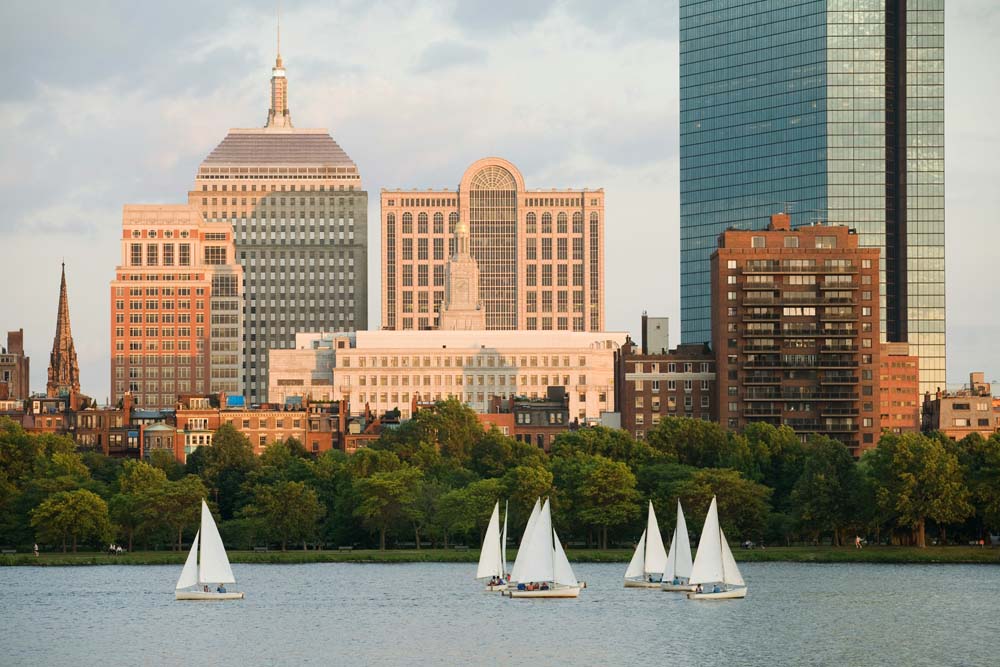
Many visitors associate waterfront areas with expensive restaurants and premium attractions. While some parts of Boston’s Waterfront certainly fit that description, there are also plenty of ways to enjoy the area without spending very much.
Walking along the Harborwalk is completely free and gives you access to some excellent views of the city skyline and harbor. It is also a good way to connect different parts of the city while avoiding transport costs. Along the route, you will find parks, public seating areas, historic sites, and viewpoints that cost nothing to enjoy.
If you are interested in photography, the Waterfront can provide hours of entertainment at no additional cost. Early mornings and evenings are particularly rewarding, especially when the light reflects across the harbor and surrounding buildings.
Use Public Transport Strategically
Boston’s public transport network is not perfect, but it can still save you a significant amount of money when used carefully. Rather than purchasing transport for every journey, think about combining walking with occasional train or bus trips.
For example, you might spend a morning exploring one district entirely on foot before using the subway to reach a different part of the city later in the day. This approach helps you minimize transport costs while still covering a large amount of ground.
It is also worth researching transport passes before you arrive. Depending on the length of your stay, a pass may work out cheaper than buying individual tickets. A little planning in advance can prevent unnecessary spending once you are in the city.
Look for Free Seasonal Events
Boston hosts numerous free events throughout the year. Depending on when you visit, you may find outdoor concerts, cultural festivals, public performances, farmers’ markets, and community celebrations that cost little or nothing to attend.
These events can be an excellent alternative to more expensive tourist attractions. They also give you a chance to experience local culture rather than focusing entirely on visitor-oriented activities.
Before traveling, spend some time checking local event listings. Even a single free event can fill an afternoon or evening that might otherwise involve costly entertainment. When combined with the city’s parks, public spaces, and historic neighborhoods, these events make it much easier to enjoy Boston without stretching your budget.
By applying these budget-friendly tips, you can enjoy Boston’s history, culture, and food without overspending. Keep exploring beyond the usual tourist spots, stay mindful of expenses, and use these insights to create memorable experiences while reaching your travel goals.
More Tips to Grow Your Business
Revfine.com is the leading knowledge platform for the hospitality and travel industry. Professionals use our insights, strategies, and actionable tips to get inspired, optimize revenue, innovate processes, and improve customer experience.Explore expert advice on management, marketing, revenue management, operations, software, and technology in our dedicated Hotel, Hospitality, and Travel & Tourism categories.






Leave A Comment