

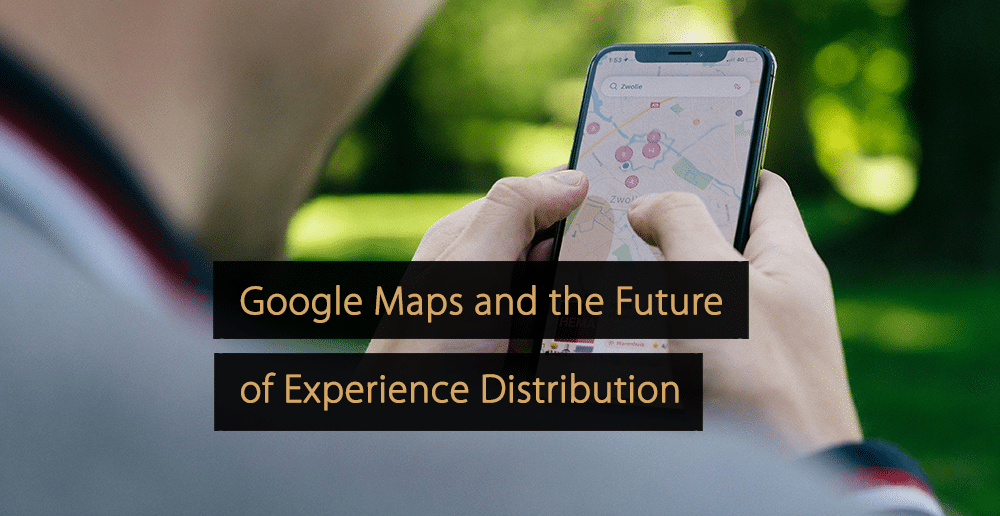
For years, hospitality businesses have invested heavily in making hotels, restaurants, and attractions discoverable across Google Search and Google Maps. Yet one important category of travel experiences remained largely absent from this ecosystem: premium on-water activities. That is beginning to change.
As experience providers join Google’s travel ecosystem, hospitality businesses can rethink how they market local experiences, boost ancillary revenue, and meet guests’ expectations for seamless trip planning.
The shift is bigger than a new distribution channel. It reflects a broader transformation in how travelers discover, evaluate, and book experiences before they even arrive at their destination.
The Guest Journey Is Becoming Increasingly Digital
Today’s travelers rarely wait until they check into a hotel to decide what they will do during their stay.
Instead, inspiration, planning, and booking increasingly happen weeks—or even months—before arrival. Google has become one of the primary touchpoints throughout this journey, connecting users with accommodations, restaurants, attractions, reviews, directions, and local businesses in one place.
This means that discoverability is no longer limited to hotels or tourist attractions. Travelers increasingly expect activities and experiences to be just as easy to find and book as accommodation.
For hospitality businesses, this creates both an opportunity and a challenge. If guests are planning more of their itinerary independently, hotels and destination management companies need to ensure that recommended experiences remain visible within the channels guests already use.
Experiences Are Becoming Part of Digital Distribution
The hospitality industry has traditionally viewed experiences as concierge services or post-booking upselling opportunities.
However, the experience economy has evolved significantly. Travelers now compare experiences alongside accommodation, flights, and transportation when planning a trip.
As a result, local activities are becoming part of mainstream travel distribution rather than standalone services. This evolution benefits hospitality businesses because digitally discoverable experiences are easier to incorporate into guest communications, itinerary planning, and ancillary revenue strategies.
Instead of manually sourcing local suppliers for every request, concierge teams increasingly work with platforms that aggregate professional operators and provide real-time availability.
Why This Matters for Hotels
Ancillary revenue has become an increasingly important priority across the hospitality sector. With rising operating costs and growing price transparency in accommodation, many hotels are looking beyond room revenue to improve profitability.
Premium local experiences support this objective in several ways:
- They increase the perceived value of a stay.
- They create upselling opportunities before arrival.
- They strengthen concierge services.
- They encourage longer stays.
- They generate memorable moments that drive positive reviews and repeat visits.
Most importantly, they allow hotels to compete on guest experience rather than price alone.
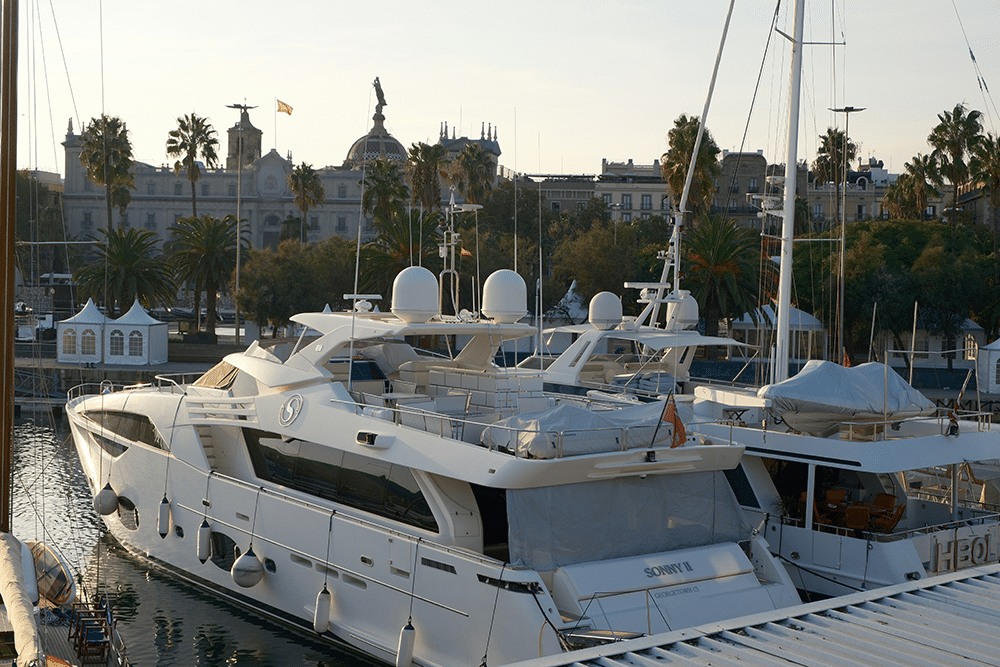
Barcelona Shows How Destination Experiences Can Create Competitive Advantage
Barcelona illustrates how destination strengths can extend beyond traditional sightseeing.
The city combines world-renowned architecture, gastronomy, beaches, business tourism, and a vibrant Mediterranean coastline within a compact area. This allows hospitality businesses to build itineraries that appeal to both leisure and corporate travelers while creating new ancillary revenue opportunities.
As demand for personalized, high-value experiences continues to grow, many hotels and destination management companies are expanding their portfolio beyond conventional city tours. For example, offering a Barcelona yacht charter enables hospitality providers to complement accommodation with exclusive on-water experiences that appeal to luxury leisure guests, executive travelers, incentive groups, and special-occasion visitors.
By integrating premium maritime experiences into guest itineraries, hospitality businesses can increase perceived value, differentiate their offering, and create memorable moments that are difficult for competitors to replicate. Private sailing trips, executive events on the water, sunset cruises, and celebration charters naturally complement
Barcelona’s existing tourism offering while reinforcing the city’s reputation as a premium Mediterranean destination.
Digital Visibility Changes How Premium Experiences Are Discovered
Historically, premium activities such as yacht rentals relied heavily on local brokers, concierge recommendations, or direct referrals. This often limited visibility for international travelers who were planning their trips online.
As premium experiences become easier to discover through familiar digital platforms, travelers can evaluate options much earlier in the booking journey. For hospitality businesses, this means guest conversations increasingly begin with awareness rather than explanation.
Instead of introducing an activity for the first time during check-in, hotels can build pre-arrival campaigns around experiences that guests may have already encountered while researching the destination.
The result is a more integrated customer journey and a greater likelihood of converting interest into bookings.
Technology Is Simplifying Experience Partnerships
One of the biggest barriers to selling local experiences has traditionally been operational complexity.
Hospitality teams often needed to coordinate with multiple local operators, manage availability manually, and rely on fragmented communication channels.
Modern booking platforms reduce this complexity by aggregating professional providers within a single marketplace, making premium activities easier to recommend and reserve.
For hospitality businesses, the value extends beyond convenience. Standardized booking processes help reduce administrative work, improve response times, and make premium experiences easier to incorporate into existing guest service workflows.
Experience Distribution Is Becoming a Strategic Function
The growing digital visibility of local experiences reflects a broader industry trend: experiences are becoming part of the hospitality distribution strategy rather than an optional concierge service.
Forward-thinking hotels are already embedding curated activities into:
- Pre-arrival communications
- Premium room packages
- Loyalty programs
- Corporate travel offers
- Seasonal campaigns
- Direct booking incentives
As guests increasingly expect personalized itineraries instead of standalone accommodation, the ability to connect them with trusted local experiences becomes a competitive differentiator.
The emergence of digital marketplaces for premium experiences also allows hospitality businesses to standardize partnerships with external providers, reducing operational complexity while expanding the range of services they can confidently offer.
Looking Ahead
The hospitality industry has successfully adapted to digital distribution in accommodation, transportation, and dining. Experiences are now following the same trajectory. For hotels, destination management companies, and travel advisors, this shift is about more than adopting new technology. It is about meeting guests where travel decisions are already being made.
Businesses that embrace digitally discoverable, high-quality local experiences will be better positioned to generate ancillary revenue, strengthen guest relationships, and differentiate themselves in increasingly competitive destinations.
As experience discovery becomes integrated into the platforms travelers use every day, hospitality businesses have an opportunity to move beyond simply recommending activities—they can become trusted curators of complete travel experiences.
As digital travel planning evolves, local experiences are becoming essential to hospitality distribution. Hotels that integrate discoverable, high-quality activities into the guest journey can increase ancillary revenue, strengthen loyalty, and deliver more personalized, memorable stays that stand out in increasingly competitive destinations.
About Boatscribe
Boatscribe is a global yacht charter marketplace that connects travelers and travel professionals with verified yacht operators in destinations worldwide. The platform simplifies the process of discovering, comparing, and booking private yacht experiences through a centralized digital marketplace. With a growing presence in major coastal destinations, Boatscribe helps hospitality businesses, travel advisors, and concierge teams integrate premium maritime experiences into their guest offerings while streamlining the booking process.
More Tips to Grow Your Business
Revfine.com is the leading knowledge platform for the hospitality and travel industry. Professionals use our insights, strategies, and actionable tips to get inspired, optimize revenue, innovate processes, and improve customer experience.Explore expert advice on management, marketing, revenue management, operations, software, and technology in our dedicated Hotel, Hospitality, and Travel & Tourism categories.




Leave A Comment