


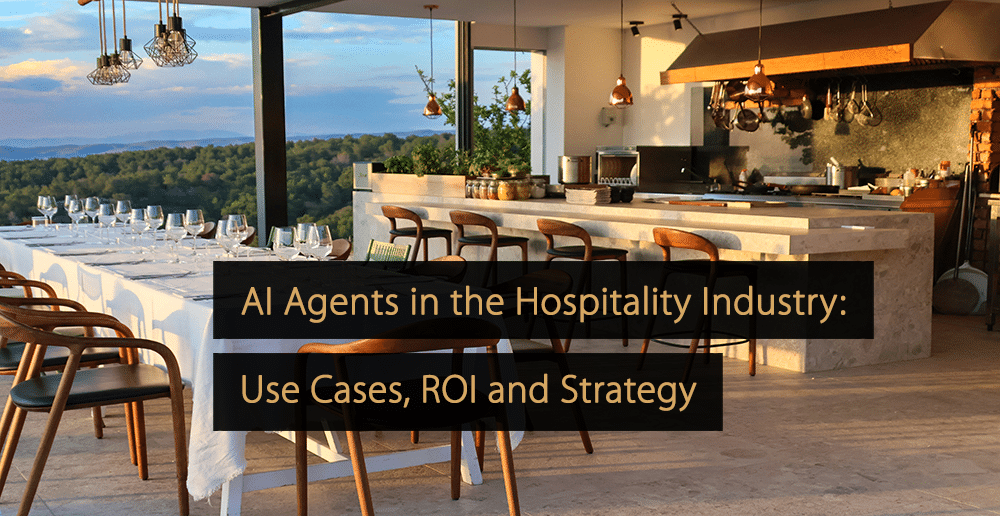
AI Agents in the Hospitality Industry: Use Cases, ROI, and Strategy
AI agents in the hospitality industry are used by hotels, restaurants, cafés, and similar businesses to handle complex tasks autonomously. They are capable of advanced reasoning and can make decisions without human oversight. This technology is important for hospitality businesses because guests want personalization and fast service, which AI agents can deliver. At the same time, autonomous agents can help businesses cope with staff shortages. In this article, you can explore the role of AI

Sustainability in Hospitality: Three Ways to Use Tech to Boost Your Eco Credentials
Hospitality businesses have a direct and often significant impact on the natural environment. They’re responsible for boosting tourism, and while increased visitor numbers do support socioeconomic growth, they can have a harmful impact on the environment too. If you’re a hospitality professional, it’s important to do your bit to make the industry as a whole more eco-friendly. With the help of technological innovations, boosting sustainability initiatives can become much simpler. To help you get started,

6 Best Things to Do in Belgium
Belgium is one of those places that often ends up as a “short stop” between bigger destinations like France or the Netherlands. But once you’re there, you realize it deserves more time. It’s compact, easy to travel, and surprisingly diverse. Within a few days, you can go from medieval cities to quiet nature, from world-class chocolate to strong local beer, without spending hours on the road. In this article, you’ll learn the best places to
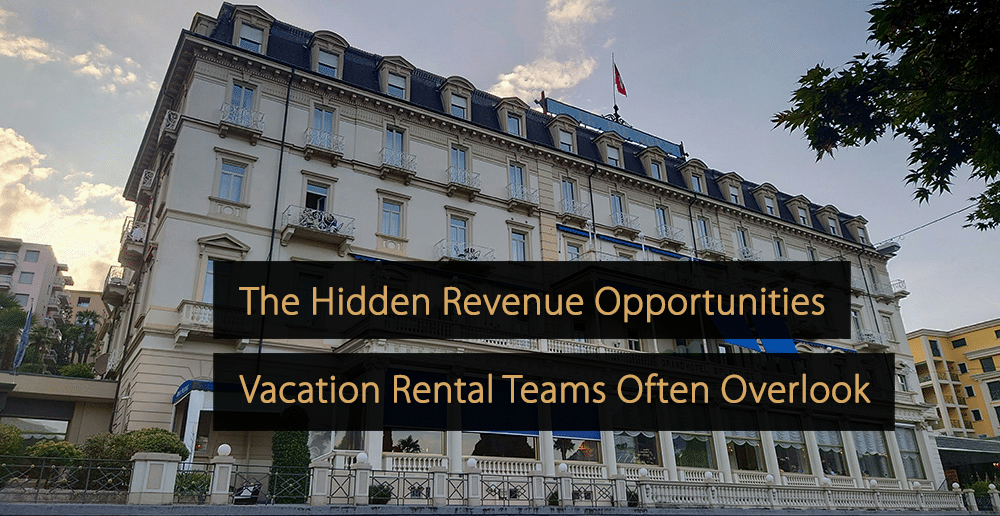
The Hidden Revenue Opportunities Vacation Rental Teams Often Overlook
The vacation rental market has matured significantly, yet many operators continue to rely on occupancy rates as their primary measure of success. While high occupancy is essential, it tells only part of the financial story. True profitability demands a wider lens, one that accounts for ancillary income, operational efficiency, and the strategic value of guest experience. For property managers willing to look beyond the booking calendar, the opportunities are both numerous and largely untapped. In

Premium Safari Pricing Strategies for Niche Tourism
Premium safari pricing is shaped by scarcity, seasonality, government fees, and the promise of a once-in-a-lifetime experience. For operators, the challenge is not simply charging more, but protecting margins while keeping guests confident about value. From Masai Mara park fees to changing traveler expectations, every cost and detail affects the final quote. Understanding these economics helps safari businesses build fair, transparent, and profitable pricing strategies in a highly competitive niche tourism market for long-haul premium wildlife travelers today and tomorrow. Why Premium Safari Pricing Is So Complex Premium safari travel sits in an odd corner of the tourism economy. The

How Hotel Competitor Analysis Can Improve Your Market Position
Hotel competitor analysis is a systematic process where you evaluate rival properties. This allows you to get a clear sense of their strengths, weaknesses, reputation, unique selling proposition, and overall market position. Analyzing competitors is important because it allows you to make more strategic decisions about your own pricing, marketing, and hotel services. It can also help to alert you to changes in competitors' approach. In this article, you can explore tried and tested methods

What AI-Driven Discovery Means for Hotel Revenue?
AI-driven discovery is changing how travelers find hotels, compare options, and decide where to book. Instead of browsing pages of search results, guests increasingly ask AI tools for specific recommendations based on budget, location, amenities, and preferences. This shift has major implications for hotel revenue, channel mix, OTA dependency, and direct demand capture. For revenue managers, visibility in AI-generated answers is becoming a commercial priority. In this article, you'll learn how AI discovery affects hotel

Are Revenue Managers the New Risk Managers?
Revenue managers have traditionally worked toward a fairly straightforward goal: maximize revenue. That meant pushing rates when demand was strong, filling rooms when it softened, and staying one step ahead of the competition. But in 2026, that playbook is becoming harder to rely on. From Revenue Growth to Profit Protection
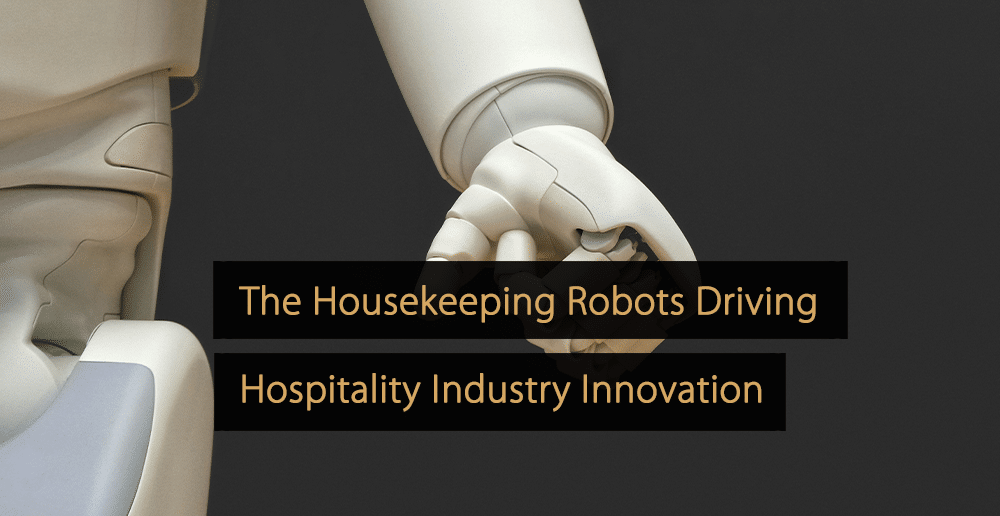
The Housekeeping Robots Driving Hospitality Industry Innovation
Housekeeping robots are machines capable of carrying out tasks typically associated with housekeeping departments, such as cleaning, tidying, and moving objects. These machines are used to reduce the workload of housekeeping staff and improve operational efficiency. In this article, you can learn more about housekeeping robots and explore examples of
AI Agents in the Travel Industry: Use Cases, ROI, and Strategy
AI agents in the travel industry are autonomous software systems that are able to work independently to achieve specific goals. They do not require human intervention and can make decisions and learn from outcomes over time. Within the travel industry, AI agents are useful as the industry currently faces key