


Premium safari pricing is shaped by scarcity, seasonality, government fees, and the promise of a once-in-a-lifetime experience. For operators, the challenge is not simply charging more, but protecting margins while keeping guests confident about value. From Masai Mara park fees to changing traveler expectations, every cost and detail affects the final quote. Understanding these economics helps safari businesses build fair, transparent, and profitable pricing strategies in a highly competitive niche tourism market for long-haul premium wildlife travelers today and tomorrow.
Why Premium Safari Pricing Is So Complex
Premium safari travel sits in an odd corner of the tourism economy. The product is scarce by design, the margins look healthy on paper, and yet a single line item set by a county government can swing a tour operator’s profit on any given booking.
Building a durable safari pricing strategy means working around costs nobody in the supply chain fully controls, while still convincing a guest that a week in the bush is worth more than a week in Europe. It’s a tighter balancing act than most rate cards admit.
What follows looks at how operators in markets like Kenya approach pricing strategy for premium safari experiences in 2026, what the current fee structure does to their numbers, and where the real margin actually hides.
What Makes Safari Inventory Different
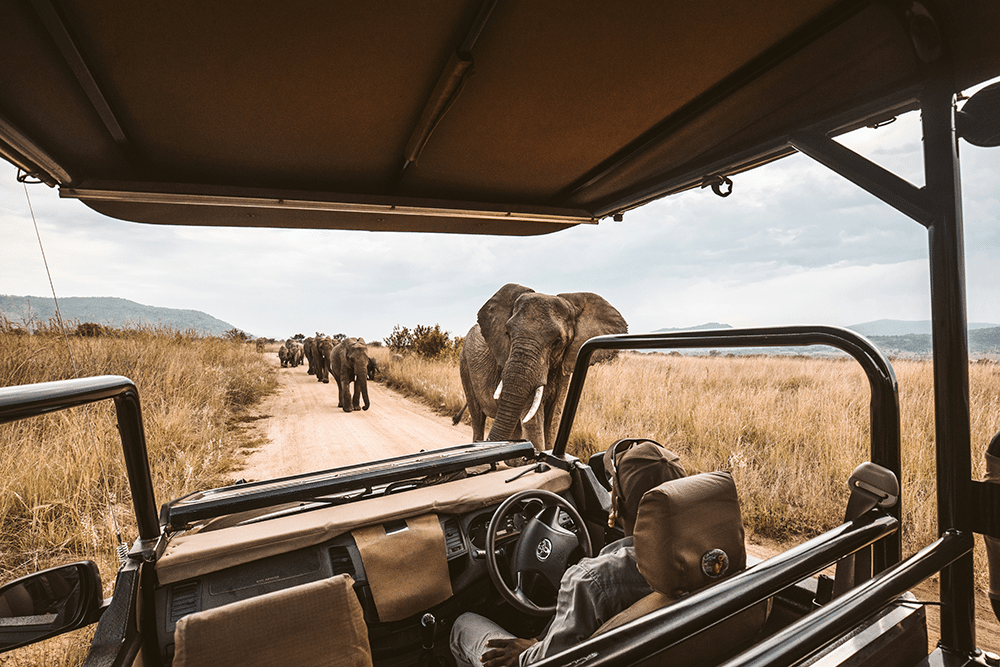
Hotel revenue management assumes a fairly elastic supply. Rooms can be discounted, upgraded, or oversold, and an empty one tonight is simply lost. Safari inventory behaves differently. In the private conservancies that ring the Masai Mara National Park, bed numbers and vehicle numbers are capped by agreement, often down to a handful of tents and one vehicle per several thousand acres. That cap is the whole point. It’s what lets a camp charge a premium and promise a guest they won’t share a lion sighting with twenty other vans.
Scarcity here isn’t a marketing line. It’s contractual. And it changes the math, because an operator can’t manufacture more peak-season capacity when demand spikes. The lever that’s left is price.
The Cost Floor Operators Can’t Escape
Before any margin gets added, there’s a government-set floor, and it moved in 2026.
The Masai Mara now runs on seasonal, county-set park fees. A non-resident adult pays USD 100 per person per day from January to June, then USD 200 per day from July to December, when the wildebeest migration brings peak demand. Children aged nine to seventeen are USD 50. Under-eights enter free. Payment is cashless, by card or mobile money, and the ticket is valid for a twelve-hour window, roughly 6 am to 6 pm.
That twelve-hour clock is where operators quietly lose money. A guest who lingers over breakfast and rolls out of the gate after 10am on departure day can trigger a second full day’s fee. Multiply that by a family of four in high season, and the slip costs an operator USD 400, which it usually absorbs rather than bills back.
Nairobi National Park sits under a different authority, the Kenya Wildlife Service, and its fees rose in late 2025 for the first time in eighteen years. A non-resident adult now pays USD 80, a child USD 40, processed through the KWS portal at kwspay.ecitizen.go.ke. The park is single-entry, so leaving for lunch means buying a fresh ticket. It also holds no elephants, a detail that surprises first-time guests and one that good operators flag before arrival rather than after. Official rates should be checked against the Kenya Wildlife Service site, since they shift without much warning.
These fees are pass-through costs. The operator collects and remits them and earns nothing on the spread, which is exactly why the next part matters.
Pricing Levers That Actually Move Margin
After fixed costs, operators need pricing levers that protect margins, reduce guest confusion, and turn premium safari demand into sustainable revenue.
1. Seasonal Pricing Is Already Done For Them
The Mara’s jump from USD 100 to USD 200 at the start of July is, in effect, dynamic pricing imposed from above. It mirrors the textbook hotel approach of charging more when demand peaks, except the county sets it, not the camp. Smarter operators work with that rhythm instead of fighting it. They sell the January-to-June green season on price and emptiness, when rates soften and the plains thin out, and they save the premium messaging for the migration months. The logic matches what Revfine has laid out on dynamic pricing for hospitality: set the rate against the demand curve rather than holding one number all year.
2. Transparency Converts Better Than Mystery
Travelers planning a long-haul trip now expect to see where the money goes before they commit. Operators that publish clear, itemized breakdowns, separating park fees from lodging and transfers, tend to convert better than those hiding everything behind an “inquire for quote” button. Open pricing also heads off the single most common complaint in this category, the gate-side surprise. A reference that sets out the economics of a Kenyan safari in plain figures does more for guest trust than any amount of glossy photography.
3. Bundling Softens the Sticker Shock
Park fees look alarming as a standalone line. Folded into an all-inclusive nightly rate, they stop frightening people. That’s why premium camps quote a single per-night figure that absorbs the conservancy charge, the meals, the game drives, and the park entry. Ancillary revenue then rides on top. A sunrise balloon flight over the Mara adds roughly USD 450 per guest at a healthy margin, which is why it gets pitched at the moment of booking, not left for the guest to stumble on later.
Segmenting For New Demand: The Indian Outbound Case
The clearest growth story in premium safari right now is market segmentation by source market, and India is the obvious example. UN Tourism’s latest barometer put global arrivals at 1.52 billion in 2025, with Africa growing faster than any other region at 8%. India sits among the markets driving that, and Skift has described it as one of the most important outbound markets of the coming decade.
Capturing it takes more than translation. Direct Mumbai–Nairobi flights have cut the journey to a few hours, and the operators winning this segment build the cultural details into the product itself. Creating customized travel packages for Indian travelers, with proper Jain and vegetarian catering and family-friendly pacing, reads as a localization strategy rather than a courtesy.
One caution worth pricing in: “vegetarian” in a Kenyan kitchen often still means onion and garlic, and often potato, so strict dietary needs have to be confirmed in writing before arrival.
Where the Model Meets the Ground
The pricing model only describes half of what a guest is paying for. Julius Sankale, a licensed guide with ten years in the Mara, makes the point that the premium a guest happily agrees to at midnight, eyeing a quoted rate on a screen, can evaporate by the second morning if the experience doesn’t land.
Guests on a dawn drive feel the cold first, a cold nobody packs for, then catch the smell of dust and crushed grass as the vehicle moves off, then a low call carrying across the dark before the sun is properly up. That is what the price tag is really standing in for.
It can also go wrong in ways no spreadsheet predicts. One operator quoted a tidy flat package, then watched a client’s slow departure breach the Mara’s twelve-hour gate rule and rack up a second day’s fee per head. The operator swallowed the cost to protect the relationship. The lesson wasn’t to price higher. It was to build a time buffer and an honest fee line into the quote from the start.
A Closing Thought For Operators
Premium safari pricing rewards the businesses that treat the government fee as a fixed input and then compete on everything stacked above it, from how scarce a camp keeps its beds to the quality of the guiding on the ground. The fee structure will keep moving. Nairobi National Park and the Mara have both repriced within two years, and further revision looks likely. The operators set to hold their margin through it are the ones already pricing for that volatility, and being straight with guests about what the number covers. In a niche where trust does most of the selling, that kind of honesty tends to be what protects the margin.
Premium safari operators succeed when they price around fixed fees, limited inventory, and guest expectations with honesty. By combining transparent cost breakdowns, smart seasonal packaging, localized offers, and strong guidance, they can protect margins while building long-term traveler trust.
More Tips to Grow Your Business
Revfine.com is the leading knowledge platform for the hospitality and travel industry. Professionals use our insights, strategies, and actionable tips to get inspired, optimize revenue, innovate processes, and improve customer experience.Explore expert advice on management, marketing, revenue management, operations, software, and technology in our dedicated Hotel, Hospitality, and Travel & Tourism categories.





Leave A Comment