


Your Hotel Q4 Playbook for Forecasts and Budgets in Fall
’Tis the season: pumpkin spice lattes, cozy sofa-tea time, and the world turning shades of orange and red. Fall is upon us, and soon the pumpkins and Halloween decorations will be everywhere. And in hospitality? It means the budgeting and forecasting season. Only now you have less time than usual because September and October are no longer quiet months. They’re busier than ever. In this article, you’ll learn how to create fast, focused forecasts, build

Tools of the Trade: Why Revenue Managers Need to Be Active Software Reviewers
A comprehensive approach to revenue management traditionally includes a number of different solutions from PMS, CRS, RMS, rate shopper, and business intelligence tools. But at a time when occupancy levels remain aberrantly low, what other tools, if any, should a revenue manager be aware of that can help increase revenue? The Future of Revenue Management: Total Profit Management This article reflects a conversation between Paul Peddrick of ROOMDEX and Oliver Geldner, CTO & Partner of

Why Most Hotel Forecasts Fail Before They Start
Forecasting sits at the heart of every hotel strategy. Yet in many organizations, it remains slow, reactive, and quietly mistrusted. Not because teams lack skill, but because the data behind the forecast is fragmented. This article explores why forecasting breaks down and how aligning your data changes not just accuracy, but the speed and confidence of every decision. Forecasting Is Not Broken. The Foundation Is. Let’s be honest. Most hotel forecasts do not fail because

Why Most Hotel AI Pilots Fail and How to Fix Yours
Many hotels approach artificial intelligence the wrong way. They start with the technology, then go hunting for problems it might solve. Six months later, the pilots are everywhere, and the impact is nowhere. In this article, you will learn a five-step framework for choosing the right AI workflow, pressure-testing it, and proving measurable returns before you scale anything further. Why Most Hotel AI Programs Stall The pattern repeats itself in property after property. A vendor


Why is a Chatbot not Enough for Your Hotel Anymore?
When chatbots first appeared, they soon became part of many industries, and hospitality was no exception. They became a great tool to help hotel staffs deal with their high workload and the repetitive questions they must reply to daily. To provide guests with quick and instant answers in a fast way, instead of leaving them waiting for 24 hours. And during a few years, that was enough to create a great guest experience. However, the

Why Hotels Are Choosing Independence Over Brand Affiliation
For decades, hotel brands represented stability, scale, and security. Affiliation offered global distribution, loyalty programs, technology systems, and operational guidance that independent owners struggled to replicate. But the hospitality landscape has changed. Access to demand, modern technology, and digital marketing tools is no longer exclusive to brand ecosystems. At the same time, rising fees and tighter margins are forcing owners to reconsider long-standing assumptions. In this article, you’ll learn why ambitious hotels are reevaluating brand

Why Hoteliers Trust AI-Powered Pricing Over Guesswork
Are your room rates helping your hotel grow, or quietly holding it back? Pricing decisions directly affect occupancy, revenue, and competitiveness, yet today's hotel market moves too fast for guesswork. Demand shifts suddenly due to events, weather, and changing traveler behavior, making manual pricing increasingly risky. This is why more hoteliers are turning to AI-powered revenue management systems. These tools analyze real-time data, predict demand, and adjust prices continuously. In this article, you'll learn why

The 71% Attrition Cliff: Why Hotel Guests Don’t Return
71% of guests who return for a second stay never make a third. That's not an estimate or a survey claim. It comes from our own analysis of more than 6 million guest records across Bookboost-connected properties between 2024 and 2026, where 282,000 guests reached a second stay, but only

Why Hotel Analytics Should Be in Everyone’s Hands
Data has become the new language of hospitality, but not everyone in the hotel industry speaks it fluently. Too often, analytics live in reports seen only by a few, while decisions are made by many. In today’s fast-moving market, that’s a luxury no hotel can afford. Making analytics accessible to

From Volatility to Visibility: Why Forecasting Sophistication Matters More Than Ever for Hotels
Volatility has become the defining characteristic of the modern travel economy. The forces shaping demand today, geopolitical tensions, economic swings, rapid changes in airline capacity, shifting traveler psychology, and rising operating costs, are no longer rare disruptions. They’re the backdrop against which hotels must perform every single day. Turning Volatility

Why Context is Everything in Hotel Analytics: Six Real-World Lessons
In hotel management, numbers are everywhere: dashboards, reports, presentations. These numbers offer a sense of control and clarity. But numbers on their own don’t tell the full story. Relying on isolated metrics can lead to misguided strategies, missed opportunities, and costly mistakes. It’s the context that brings meaning to the
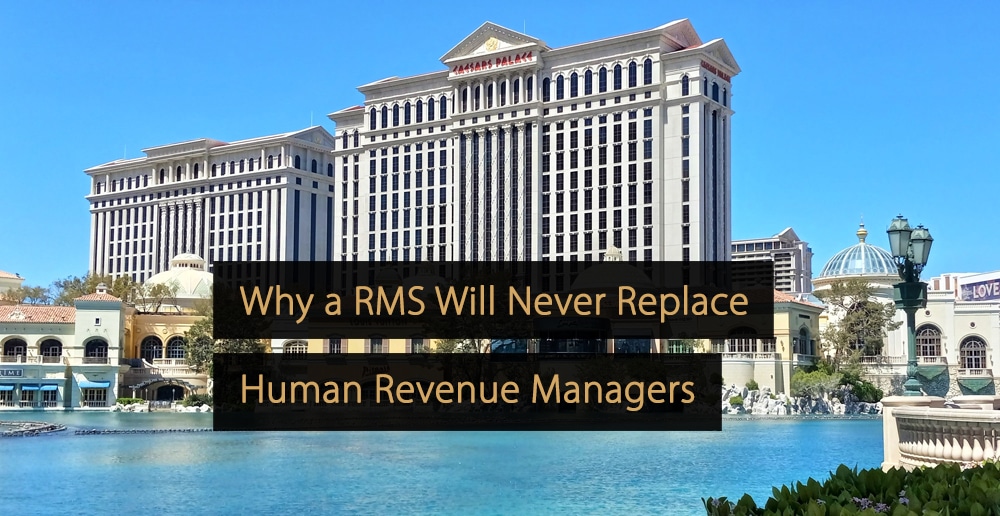
Why Revenue Management Systems Will Never Replace Human Revenue Managers
When the desktop computer came along, it needed human input. It’s no different with an RMS (revenue management system) Even an AI-enabled RMS can’t think independently (and that’s a good thing!) You’ve probably heard plenty about AI (artificial intelligence) chatbots that learn from biased human language and “deep fakes,” which

Smart Strategies for Buying Wholesale Hotel Supplies in Bulk
Wholesale hotel supplies are everyday hotel items that are acquired from suppliers in bulk, in order to reduce the per-unit cost. Through strategic purchases and positive relationships with suppliers, hotels can keep total costs down. It is more essential than ever to acquire wholesale supplies, because hotels face numerous financial