



How Can AI Agents Improve Hotel Revenue Management
AI agents for hotel revenue management are software systems that pursue revenue goals by taking actions, such as adjusting rates, updating forecasts, and monitoring demand, with limited human input. They are becoming important now because revenue technology is shifting from recommending decisions to executing them, and hotels that define autonomy boundaries early can reprice faster than hotels that wait. Key Takeaways: AI agents are shifting revenue management from periodic pricing decisions to continuous execution within

Why Is Hotel Sustainability Becoming a Profit Strategy?
Hotel sustainability is the practice of reducing a property's environmental impact across energy, water, waste, sourcing, and verified operating standards. It is becoming a profit strategy because its most reliable returns now appear in operating costs first, while revenue premiums apply mainly to upper-midscale, upscale, and luxury hotels. Key Takeaways: Sustainability delivers its clearest profit impact through lower utility, water, waste, and purchasing costs. Guest rate premiums are strongest in upper-midscale, luxury, corporate, and meeting-led
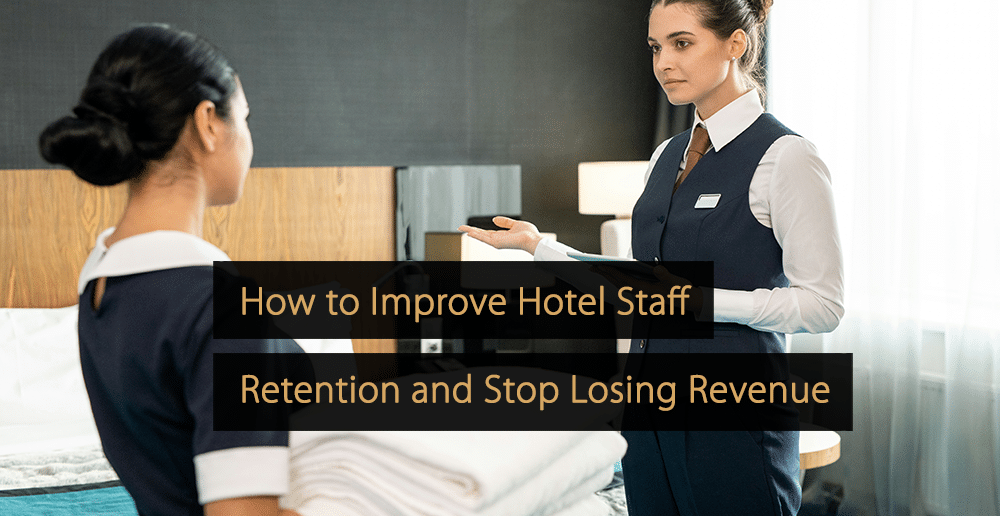
How to Improve Hotel Staff Retention and Stop Losing Revenue
Hotel staff retention is the discipline of keeping trained employees in active roles long enough to recover the full cost of hiring and developing them. It has become important for hoteliers because every avoidable resignation creates service gaps, recruitment costs, training pressure, and guest experience risk. Key Takeaways: Hotel staff retention protects service quality by keeping experienced employees in guest-facing and operational roles. Most hotel retention programs fail because they target recognition and development before

Hotel Labor Cost Management Without Cutting Service Quality
Hotel labor cost management is the discipline of controlling payroll, the largest expense on a hotel P&L, by matching staffing hours to demand, raising productivity, and reducing turnover. It has become important now because wages keep climbing while rate growth has flattened, so every unmanaged labor hour comes directly out of gross operating profit. Key Takeaways: Labor is the largest controllable expense in hotel operations, and scheduling discipline matters more than headcount cuts. Hotels that

European Hotel Performance: The 7 Trends Shaping 2026
European hotels are navigating a complicated year. Economic uncertainty, changing travel patterns, and rising costs are putting pressure on performance. Yet the latest data shows a more resilient picture: occupancy and RevPAR are ahead of last year, while guest behavior and technology adoption are changing how revenue is generated. With data from more than 3,000 hotels and 37 million reservations, Mews offers a closer look at how the industry is performing across markets, metrics, and guest behavior. Here are seven trends worth watching as you plan for the rest of the year and beyond. 7 European Hotel Trends Shaping Performance

What Is RevPAM in Hotels and How Do You Calculate It
RevPAM (Revenue per Available Square Meter) measures the revenue each square meter of hotel space generates, from meeting rooms and restaurants to the lobby and the parking deck. It is important to calculate because RevPAR says nothing about the parts of your building that aren't guest rooms, and those parts still carry energy, labor, and debt. Key Takeaways: RevPAM measures revenue productivity of defined hotel space rather than focusing only on guest room inventory.

What Is Average Length of Stay (ALOS) in Hotels?
Average Length of Stay (ALOS) is the average number of nights represented by each hotel stay during a defined period. It matters because stay duration changes how inventory is consumed and how frequently rooms turn over, so two hotels with identical occupancy can have very different operating and revenue patterns. Key Takeaways: ALOS measures nights per reservation, not nights per trip, so it tracks booking behavior rather than travel demand. Every night after the

How Much Should Your Hotel Marketing Budget Really Be?
A hotel marketing budget is the annual amount a property commits to acquiring and retaining guests, typically between 4 and 8 percent of total revenue. The percentage matters less than what it buys. Every point you underspend on direct demand generation, you repay to intermediaries in commission, usually at a

How Can a Hotel AIO Strategy Get Your Property in AI Answers
Hotel AI search optimization is the practice of making a property's website, listings, and public facts easy for AI search systems to discover, interpret, verify, and cite. A hotel AIO strategy turns that practice into a repeatable operating process. It helps your hotel earn visibility in conversational answers without replacing
How Can AI Agents Improve Hotel Revenue Management
AI agents for hotel revenue management are software systems that pursue revenue goals by taking actions, such as adjusting rates, updating forecasts, and monitoring demand, with limited human input. They are becoming important now because revenue technology is shifting from recommending decisions to executing them, and hotels that define autonomy