


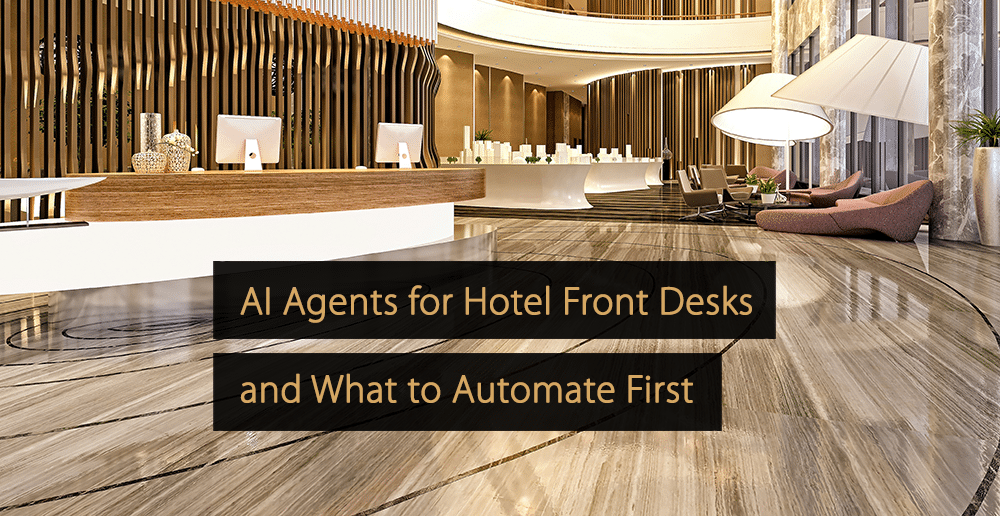
AI Agents for Hotel Front Desks and What to Automate First
AI agents for hotel front desks are software systems that understand a guest's request in plain language and complete it directly in the property management system, from a check-in to a late checkout, without a staff member relaying every step. They are becoming important now because missed calls and after-hours gaps cost hotels bookings that a person was never available to answer. Key Takeaways: AI agents can complete routine front-desk actions through PMS-connected workflows, not

The Real Cost of Your Tech Stack Isn’t Your Subscription Costs
The most expensive part of your technology stack isn't on the invoice. Most hotel operators have been trained to think about technology spend in terms of fees. What does the PMS cost? What are we paying for the RMS? Add up the line items, and you have your technology budget. But that calculation is missing a lot of the bill. The real cost of a fragmented hotel tech stack is measured in hours spent assembling
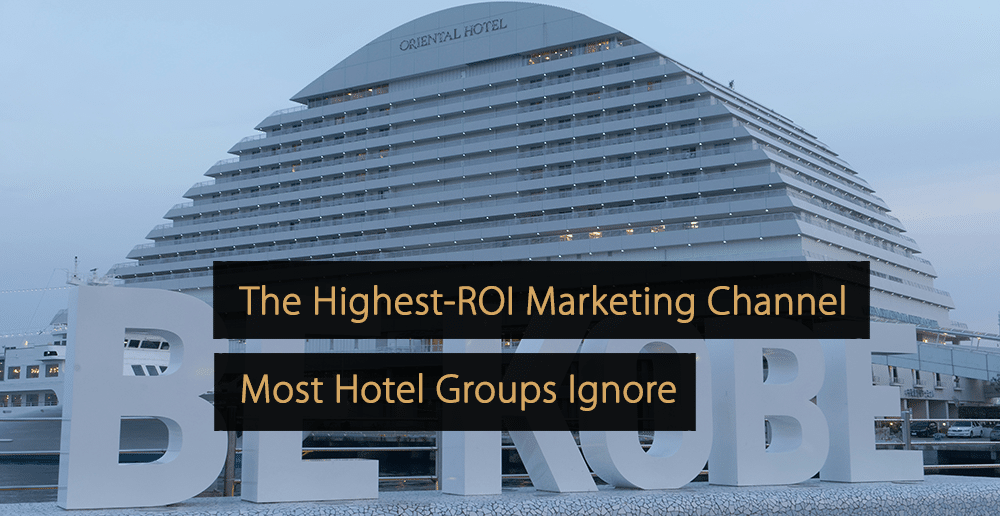
The Highest-ROI Marketing Channel Most Hotel Groups Ignore
Hotel marketing budgets are under pressure from every direction. Google Ads cost more every quarter, OTA commissions keep climbing, and social media demands constant spend just to stay visible. So when budgets are tight, you'd expect hotel groups to double down on their cheapest, highest-performing channel: talking to guests who've already stayed. But most don't. Most pour 80% of their budget into finding new guests and almost nothing into re-engaging past ones. Your past guests

How Hotel Leaders Can Protect GOPPAR in a High-Cost Market
For years, hotel strategy has run on one assumption: grow RevPAR, and profit takes care of itself. That link is weakening. Revenue is holding steady across most markets, but costs are not, and GOPPAR is under pressure even where the top line looks healthy. For revenue and commercial leaders, the job is shifting. It's no longer only about driving more demand. It's about making sharper decisions on the demand you already have, weighing what each

Fall 2026 Travel Trends: What They Mean for Hotel Pricing
Fall 2026 comes with a mixed bag of signals. Corporate travel confidence has wobbled, leisure travelers are booking anyway, and a run of stadium shows and arena tours is about to hand some hotels their best weeks of the year. Here's what the numbers actually say, and how you can turn all that shifting signal into a pricing strategy that keeps up instead of catching up. The Big Numbers, and What They Actually Mean for You Global growth is set to cool to around 3 percent in 2026, down from 3.5 percent the past two years, as the conflict in

What Is Hotel Marketing? How to Build Profitable Demand
Hotel marketing is the discipline of creating, capturing, and retaining profitable guest demand for a hotel. It connects positioning, search visibility, distribution, content, reputation, direct booking, and guest relationships so the right traveler finds your property, understands its value, and chooses to book. Key Takeaways: Hotel marketing connects demand creation, conversion, retention, and channel economics rather than treating every campaign as separate. The right marketing investment depends on where your hotel is currently losing

What Is CPOR in Hotels? Why Lower Isn’t Always Better
Cost per Occupied Room (CPOR) measures the average operating cost associated with each hotel room sold. It helps you determine whether room revenue is being converted efficiently into profit, rather than being absorbed by labor, supplies, laundry, amenities, utilities, and other rooms-department costs. Key Takeaways: CPOR measures what servicing one sold room costs, which revenue metrics like RevPAR never show. Divide total room-related operating costs by occupied room nights for the period you are

Why Is Hotel Sustainability Becoming a Profit Strategy?
Hotel sustainability is the practice of reducing a property's environmental impact across energy, water, waste, sourcing, and verified operating standards. It is becoming a profit strategy because its most reliable returns now appear in operating costs first, while revenue premiums apply mainly to upper-midscale, upscale, and luxury hotels. Key Takeaways:
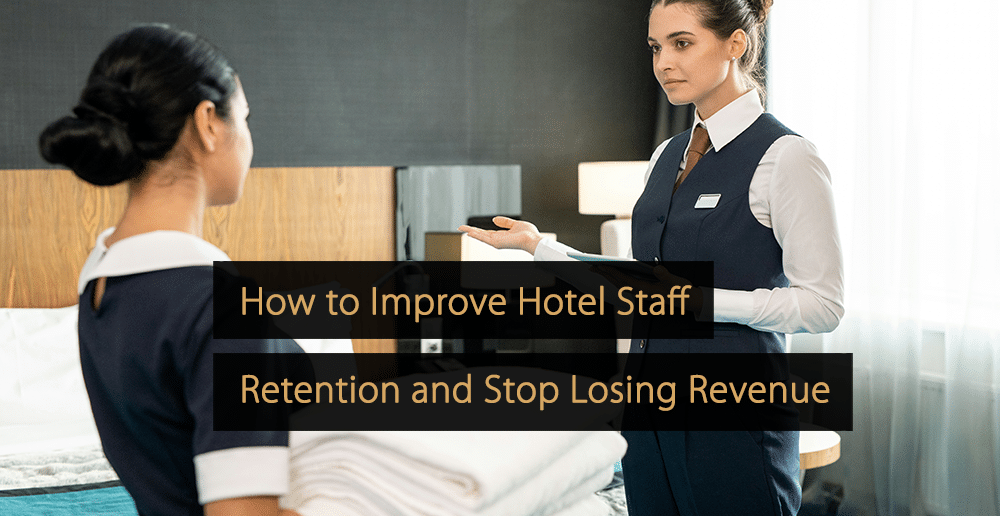
How to Improve Hotel Staff Retention and Stop Losing Revenue
Hotel staff retention is the discipline of keeping trained employees in active roles long enough to recover the full cost of hiring and developing them. It has become important for hoteliers because every avoidable resignation creates service gaps, recruitment costs, training pressure, and guest experience risk. Key Takeaways: Hotel staff
Hotel Labor Cost Management Without Cutting Service Quality
Hotel labor cost management is the discipline of controlling payroll, the largest expense on a hotel P&L, by matching staffing hours to demand, raising productivity, and reducing turnover. It has become important now because wages keep climbing while rate growth has flattened, so every unmanaged labor hour comes directly out