



What AI-Driven Discovery Means for Hotel Revenue?
AI-driven discovery is changing how travelers find hotels, compare options, and decide where to book. Instead of browsing pages of search results, guests increasingly ask AI tools for specific recommendations based on budget, location, amenities, and preferences. This shift has major implications for hotel revenue, channel mix, OTA dependency, and direct demand capture. For revenue managers, visibility in AI-generated answers is becoming a commercial priority. In this article, you'll learn how AI discovery affects hotel

Hotel Activities: Essential Guide to Engaging Guest Experiences
Hotel activities are the various things guests can do for enjoyment during their stay. Examples can range from spa treatments and live entertainment, to city tours and outdoor adventure activities. The hotel activities on offer can make a huge difference to the guest experience, helping to create memorable moments. Designing your hotel to offer interesting or unique activities can help separate your hotel from rivals. In this article, you will discover some of the most

What Does ChatGPT’s Booking Shift Mean for Hotels
AI search is quickly changing how travelers discover, compare, and choose hotels. As ChatGPT moves away from completing transactions inside the platform, hotels have a stronger opportunity to turn AI-driven discovery into direct website traffic. This shift makes Generative Engine Optimization more important than ever. Hotel websites need clear answers, structured content, schema markup, and trusted authority signals to appear in AI-generated recommendations. In this article, you’ll learn how hotels can adapt their content strategy

How Unified Guest Data Cuts OTA Costs and Grows Direct Bookings
Every night, guests check into your hotels. They share their names, email addresses, preferences, and payment details. They order room service, book spa treatments, connect to Wi-Fi, and leave reviews. Then they check out, and most of that data either disappears into a disconnected system or sits untouched in a spreadsheet no one opens again. For independent hotel groups across Europe, this is the quiet cost no one talks about. And no, we're not talking

What Is RevPAM in Hotels and How Do You Calculate It
RevPAM (Revenue per Available Square Meter) measures the revenue each square meter of hotel space generates, from meeting rooms and restaurants to the lobby and the parking deck. It is important to calculate because RevPAR says nothing about the parts of your building that aren't guest rooms, and those parts still carry energy, labor, and debt. Key Takeaways: RevPAM measures revenue productivity of defined hotel space rather than focusing only on guest room inventory. Calculate RevPAM by individual space and period because property-wide averages can hide weak function-room performance. RevPAM works especially well for conference, banquet, meeting, and other

AI Agents for Hotel Front Desks and What to Automate First
AI agents for hotel front desks are software systems that understand a guest's request in plain language and complete it directly in the property management system, from a check-in to a late checkout, without a staff member relaying every step. They are becoming important now because missed calls and after-hours gaps cost hotels bookings that a person was never available to answer. Key Takeaways: AI agents can complete routine front-desk actions through PMS-connected workflows, not

The Real Cost of Your Tech Stack Isn’t Your Subscription Costs
The most expensive part of your technology stack isn't on the invoice. Most hotel operators have been trained to think about technology spend in terms of fees. What does the PMS cost? What are we paying for the RMS? Add up the line items, and you have your technology budget. But that calculation is missing a lot of the bill. The real cost of a fragmented hotel tech stack is measured in hours spent assembling

How to Improve Hotel Profit Margin With Smart Strategies
Hotel profit margin calculations are of immense importance within the hospitality industry. Your profit margin is generally defined as the percentage of revenue left after operating expenses have been subtracted. However, you can also adapt the concept to account for individual factors. Understanding your profit margin allows for better resource
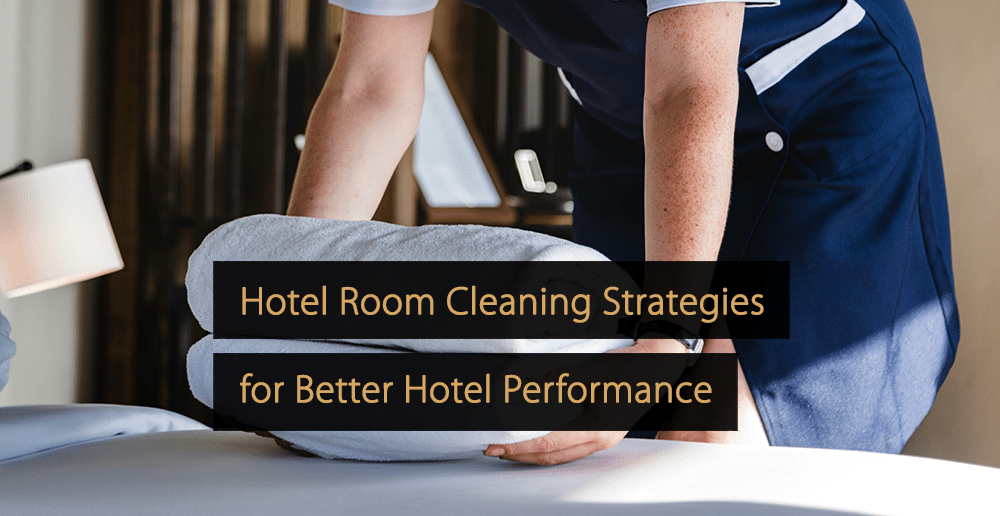
Hotel Room Cleaning Strategies for Better Hotel Performance
Hotel room cleaning is the process of preparing, sanitizing, and servicing a room, so it is ready for the next guest. It can involve everything from vacuum cleaning and changing bed sheets to carrying out inspections and wiping surfaces. Cleaning is essential for living up to guest expectations and forms

Discover Examples of Artificial Intelligence (AI) in the Hotel Industry
AI in hotels describes the use of artificial intelligence technology in the hotel industry. This technology is increasingly used to automate processes, analyze vast amounts of data, and deliver next-level personalization. Modern AI technology has become a significant benefit for the industry as it deals with challenges like labor shortages