

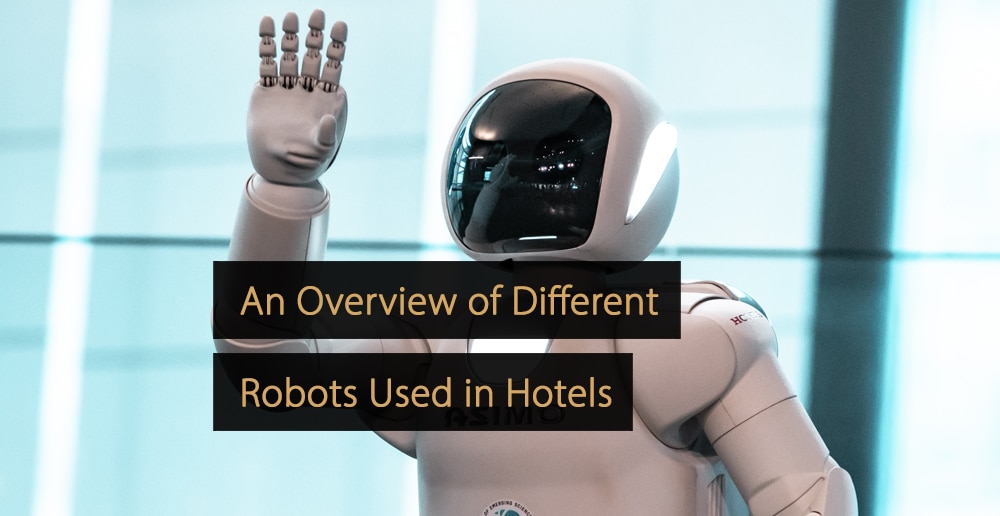
Hotel robots represent some of the most effective forms of hospitality technology, and their presence will help ensure superior guest satisfaction. As a growing number of properties are employing these autonomous “smart” services, it only stands to reason that we examine these robots in greater detail. What benefits can your property expect to enjoy?
Table of Contents:
- What are Robots?
- Why are Hotel Robots Becoming More Popular?
- Examples of Robots Being Used in Hotels
- Examples of Robots Intended to Greet Guests
- Examples of Robots Dealing with Housekeeping
- Examples of Hotel Robot That Delivers RoomService
- Examples of Luggage Handling & Storage Robots
- Examples of Security and Monitoring Robots Being Used in Hotels
- Examples of Hotel Robots Are The Waiters At Restaurants
- Examples of Hotel Robots Who Do The Cooking
- What are the Advantages of Hotel Robots?
- What Are The Disadvantages Of Hotel Robots?
- Global Outlook for Robots in the Hotel Industry in 2026 and Beyond
- Why Contactless Payments Are Becoming Vital Within The Hotel Industry
- What Are The Benefits of Mobile Check-In Apps for Hotels
- More Hotel Technology Tips
What are Robots?
Generally, a robot is any device or system engineered to execute a specific set of tasks, such as unparalleled efficiency and precision. Examples include robots intended to work within an assembly line and CNC machines designed to create extremely complex parts in a fraction of the time a human would otherwise require. Regarding the hotel industry, the primary purpose of robots is to enhance and expedite the overall guest experience. As we will see, this can be accomplished in several different ways.
Why are Hotel Robots Becoming More Popular?
There are several reasons for this trend. Hotels are under growing pressure from staff shortages, rising costs, and higher guest expectations. The American Hotel & Lodging Association reports that 77% of hotels were understaffed in 2024, with housekeeping and front desk roles the hardest to fill. At the same time, wages have increased by around 20% since 2019, while labor now represents 50–60% of total hotel operating costs. This makes it harder for hotels to stay profitable.
Guest behavior has also changed. Many travelers now expect faster service, contactless options, and consistent cleanliness at all hours. Hotels operate 24/7, but staffing levels rarely match that demand. Robots help fill this gap by working continuously, handling repetitive tasks like cleaning, delivery, and basic guest assistance. This allows hotel teams to focus on personalized service and problem-solving, while maintaining service standards and staying competitive in a challenging market.
As Michael O’Donnell, CEO of Relay Robotics, sums it up:
“The market for robotics is finally coming to us. There is huge pressure on hotels to staff up, so robotics is really a necessary part of business going forward.”
Examples of Robots Being Used in Hotels
As you may have already imagined, there are many types of hotel robots, each intended to suit a unique purpose. This is why it is a good idea to look at a handful of the most common robots in hospitality and what tasks each has been designed to address.
Examples of Robots Intended to Greet Guests in Hotels
Sometimes referred to by titles such as “guest ambassadors“, these robots are placed strategically within a property to answer common questions. Examples include the location of elevators, the ability to give directions to a specific room, or even to recommend certain types of food. The humanoid-like appearance of these robots is likewise intended to provide a decidedly welcoming appeal to the property in question, ideal when staff members may not be immediately able to cater to guests’ needs during busier times of the year.
1. Pepper Hotel Reception and Guest Engagement Robot
Pepper is a humanoid robot often used at hotel front desks to welcome guests and answer simple questions. It can recognize some emotional cues and speak multiple languages, making it useful in international destinations such as Courtyard Marriott Anaheim and Mandarin Oriental Las Vegas. Pepper helps reduce lobby congestion and provides quick information. It allows human staff to focus on more complex guest needs. It moves and interacts using onboard sensors and a touch screen interface.
Video: Hotel Robot Greets Guests in Mandarin Oriental Hotel, Las Vegas
2. Connie AI Concierge at Hilton Hotels
Connie is an AI-powered robot concierge deployed by Hilton Hotels in collaboration with IBM Watson. Named after Hilton founder Conrad Hilton, Connie stands in the lobby and answers guest questions about hotel amenities, dining options, and local attractions using natural language. It continually learns from interactions to improve responses over time. Connie supports human staff by handling routine guest inquiries, especially during busy periods, enhancing the overall guest experience.
Video: Meet Connie, the Hilton Robot Concierge
3. Henn-na Hotel Reception Robots Japan
At Japan’s Henn-na Hotel, guests are greeted by robots at check-in, including humanoid and dinosaur-style receptionists that speak multiple languages and support front desk procedures. This hotel is listed in the Guinness World Records as the first robot-staffed hotel, using robots to assist with check-in and guest communication. While some roles were scaled back over time, Henn-na continues to use robots alongside human staff to lower labor costs and provide a futuristic guest experience.
Examples of Robots Dealing with Housekeeping in Hotels
Housekeeping is an important concern within a property, and as a result, hotel robots have been designed to carry out various services. Let us take a closer look at a handful of options that hotel management should consider.
One type of robot has been specifically engineered to clean and disinfect services that might have been exposed to germs or bacteria. This is of critical importance in this day and age due to the recent COVID-19 outbreak. Hotels employing such highly precise devices will likely enjoy amenable retention rates.
Video: Hotels Are Using Germ-Killing Robots to Cleanse Rooms
Another robot design focuses on generalized services, such as providing bins of fresh linen to the appropriate floors. This can help reduce manual labor, and as a result, guests will be provided with clean towels and sheets in a timely fashion, increasing overall satisfaction levels.
Video: Hotel Robots Which Support Housekeeping
Floor-cleaning hotel robots are also quite popular, as they can enter rooms once the guests have departed to ensure a clean environment for new arrivals. While this concept has existed within the domestic sector for some time, hotels are now beginning to realize its advantages.
Video: Robot Maid for Cleaner Floors
4. Whiz Autonomous Vacuuming in Hotels
SoftBank Robotics’ Whiz autonomous vacuum is used in hotels like Hilton Garden Inn Gilroy to clean corridors, lobbies, and public areas without constant supervision. It uses smart sensors to navigate around people and obstacles. Whiz helps housekeeping teams by taking over repetitive floor vacuuming tasks. It allows staff to focus on guest rooms and detailed cleaning work. This improves overall productivity and cleaning quality at busy properties.
Video: Watch Whiz, a Robotic Vacuum Sweeper, Clean a Hotel
5. Pudu CC1 Multi-Function Cleaning Robot
The Pudu CC1 is a multifunctional cleaning robot designed for hotel environments. It can vacuum, sweep, mop, and scrub floors autonomously. With built-in mapping and scheduling, the CC1 covers large public spaces such as lobbies and hallways without needing constant direction. This robot helps housekeeping maintain reliable cleanliness while reducing physical strain on staff. It is used in hotels and resorts around the world.
Video: PUDU CC1, Commercial Cleaning Robot | Pudu Robotics
6. Gausium Scrubber Robots Large-Surface Cleaning
Gausium’s scrubber robots, such as the Scrubber 50 and Phantas, are used in large hotel lobbies, ballrooms, and convention spaces. They use LiDAR and AI for efficient navigation and can clean vast surface areas more consistently than manual methods. These robots save water through recycling features and help housekeeping teams document cleaning activity for hygiene standards and audits in large properties.
Video: Gausium Phantas | Autonomous Hotel Cleaning at Ji Hotel
7. Tennant Autonomous Floor Scrubbers
Tennant autonomous floor scrubbers are used in hotel public spaces to keep floors clean with less human effort. These machines follow programmed routes and scrub floors efficiently during off-peak hours. By handling large surface cleaning, they free up housekeeping teams to focus on rooms and guest-facing tasks. Tennant’s solutions are widely used in hospitality for dependable, hands-free floor maintenance.
Examples of Hotel Robots that Deliver Room Service
Some robots have likewise been designed to provide bespoke room service options to guests. These tiny marvels will be supplied with food from the hotel kitchen before being delivered to a specific room. Not only does this ensure that all meals are provided fresh, but guests are no longer required to leave their premises to enjoy a delectable selection of foods.
8. Relay Delivery Robots
Relay robots, developed by Savioke, deliver amenities and room-service items in hotels like Marriott, Hilton, Radisson, and Mandarin Oriental. Guests place an order, staff load the robot, and Relay travels through corridors and elevators to the guest’s room. It calls the room upon arrival and returns to base when finished. Relay helps hotels serve guests quickly and supports staff, especially during peak hours and night shifts.
Video: Savioke’s Dash Robot at Crowne Plaza Hotel
9. Aethon TUG Robots
At Sheraton Los Angeles San Gabriel, Aethon TUG robots deliver covered room-service trays through back-of-house corridors. The robots automatically call elevators and navigate floors on their own. This speeds up delivery, supports contactless service, and reduces staff workload during busy periods and late-night hours.
Video: Robots Take Over Luggage Duties at Sheraton Los Angeles San Gabriel
10. Hotel Jen Singapore Jeno & Jena Service Robots
Hotel Jen in Singapore uses Jeno and Jena robots to deliver items like towels and food orders to guest rooms. These robots navigate hotel corridors and ride elevators on their own before notifying guests on arrival. They help lighten staff workloads and improve service speed, especially in busy urban hotels. The robots also enhance the guest experience with their friendly design.
Video: Meet Robots Jeno and Jena at Hotel Jen in Singapore
11. Seaview Investors Robots
Seaview Investors deployed robots at each of its eight hotels, including H Hotel Los Angeles and Embassy Suites LAX North. These robots deliver snacks, toiletries, and small food orders with fast average delivery times. Guests enjoy the contactless service, and staff can focus on more complex guest needs. The robots also generate guest interest and social-media engagement.
Examples of Luggage Handling & Storage Robots
Luggage robots and automated storage systems manage guest bags securely and efficiently. They reduce manual lifting and free up valuable lobby space. These systems improve guest convenience while allowing staff to focus on guest assistance rather than repetitive luggage handling tasks.
12. YOBOT Robotic Luggage Storage at YOTEL New York
YOBOT is an automated luggage storage robot at YOTEL New York Times Square. Guests drop off bags at a kiosk, then YOBOT stores them in secure lockers using robotic arms. When guests return, they use a code to retrieve their luggage. This system saves space in busy urban hotels and frees staff from repetitive tasks.
13. Alibaba FlyZoo Hotel Using Robotic Delivery & Smart Access
Alibaba’s FlyZoo Hotel has been dubbed the “hotel of the future” thanks to the presence of robots. Centered around a bespoke mobile application, common issues such as checking in and access via facial recognition have been dramatically streamlined. These methods are primarily accomplished through the use of artificial intelligence. Voice-activated room service bots are likewise complemented by the presence of autonomous smart machines, which deliver room service to guests when required.
Video: Go Inside Alibaba’s FlyZoo Future Hotel
Examples of Security and Monitoring Robots Being Used in Hotels
Security robots patrol hotel lobbies, entrances, and outdoor areas. They monitor activity, record footage, and send alerts to security teams when needed. These robots improve coverage in large properties and help human security staff focus on guest safety and incident response.
14. Knightscope Autonomous Security Robots
Knightscope develops autonomous security robots that patrol hotel lobbies, entrances, and outdoor areas. These robots use cameras and sensors to detect unusual activity, alert security teams in real time, and record video evidence. They help hotels improve safety coverage, especially in large properties with busy public spaces. Knightscope robots support human security staff by handling routine monitoring so teams can focus on incident response and guest safety.
15. Cobalt Robotics Indoor Security Monitoring
Cobalt Robotics provides indoor security robots equipped with cameras, thermal sensors, and alarms to monitor hotel corridors, parking areas, and back-of-house spaces. These robots autonomously patrol on a schedule, detect anomalies like loitering or unauthorized access, and notify security personnel instantly. Hotels use Cobalt robots to extend monitoring coverage without adding night-shift security staff, improving safety and operational efficiency.
Video: Cobalt Robotics Introduces Indoor Security Robots
Examples of Hotel Robots Are the Waiters at Restaurants
Hotel robots can even double as waiters. Some are affixed to a set of tracks, while others can move freely around a restaurant. Both are capable of taking orders as well as delivering food to guests. Such methods can help hotel management reduce labor costs while still ensuring high customer satisfaction.
16. BellaBot & Servi Robots
Service robots like BellaBot (Pudu Robotics) and Servi (Bear Robotics) are used in hotel restaurants to take food from kitchens to tables. They move safely around guests, carry multiple trays, and reduce long walking distances for staff. Hotels use them to maintain service speed during busy hours while allowing waiters to focus on guests, upselling, and table service.
17. Keenon DinerBot High-Volume Hotel Dining
Keenon’s DinerBot is used in hotel restaurants and breakfast areas where guest traffic is high. The robot delivers meals to tables, follows set routes, and avoids obstacles. It helps hotels serve more guests with fewer staff during peak breakfast and dinner times, while maintaining consistent service and reducing physical strain on employees.
Video: Robots Are The Waiters At This Restaurant
Examples of Hotel Robots Who Do The Cooking
Other robots can cook meals for guests. Not only can such mechanisms be programmed to create highly complex dishes, but their levels of accuracy can accommodate specific tastes, such as gluten-free and low-calorie dishes. Furthermore, these methods can be useful if bulk meals need to be prepared in a timely fashion (such as when catering to the needs of a large in-house convention).
18. AUSCA Autonomous Service Chef Associate
Millennium Hotels and Resorts in Singapore use AUSCA, an Autonomous Service Chef Associate, to prepare eggs to order at breakfast. AUSCA cooks consistently and handles high volumes during peak hours at properties such as M Social Singapore, Studio M Hotel Singapore, and Copthorne King’s Hotel Singapore. This reduces kitchen pressure while maintaining food quality and speed during busy breakfast service.
19. Flippy by Miso Robotics
Flippy is a robotic kitchen assistant used for frying and grilling in hospitality kitchens. It follows exact cooking times and temperatures, improving food consistency and reducing burn risks for staff. Hotels and resorts use Flippy to handle repetitive cooking tasks during high-demand periods, allowing chefs to focus on plating, customization, and quality control.
Video: Robots Cooking: The Restaurant of the Future
What are the Advantages of Hotel Robots?
One of the main advantages involves a second-to-none level of in-house automation, freeing up staff members to perform other guest-related tasks. Also, hotel robots can perform around-the-clock functions that might be impossible for employees. Many requirements can be completed with a higher level of precision when compared to human counterparts. Finally, the presence of robots provides a hotel with a genuinely cutting-edge appeal.
What are the Disadvantages of Hotel Robots?
A handful of potential drawbacks should also be mentioned. Of course, a human will need to address some tasks (such as addressing a question that has not been pre-programmed by staff). Another pitfall is that many guests still wish to enjoy the human touch during their stay. Some patrons may not appreciate the somewhat “cold” nature of even the most advanced hotel robots. To put it simply, the majority of robots are incapable of providing a truly personal touch.
Global Outlook for Robots in the Hotel Industry in 2026 and Beyond
Robots are expected to become a normal part of hotel operations over the next decade. According to industry forecasts referenced by the International Federation of Robotics, service robots used in hotels are growing at strong double-digit rates as technology improves and costs fall. According to Deep Market Insights, the hospitality robots sector is projected to grow over USD 1.4 billion by 2030 from USD 540 million at a 17.3 % CAGR between 2025 and 2030.
Asia-Pacific will continue to lead adoption, projected to experience a CAGR of 27.8% from 2025 to 2033. Hotels in Japan, China, and Singapore already use robots for front desk support, cleaning, and delivery, supported by high labor pressure and strong acceptance of technology. The Middle East is another fast-moving region, with smart-hotel projects in Saudi Arabia and the UAE linked to large-scale tourism and smart-city developments. North America and Europe are scaling more gradually, with hotel brands expanding pilot programs into standard deployments as labor costs rise.
By 2036, a “robot-ready hotel” will treat robots like elevators or dishwashers. Mid-scale and large hotels are likely to operate small fleets of cleaning and delivery robots, coordinated by AI systems. Human teams will be leaner and more guest-focused, spending less time on repetitive tasks and more time on personalized service and problem-solving.
Why Contactless Payments Are Becoming Vital Within The Hotel Industry
The article “Contactless Payments Are Becoming More Important Within Hospitality“ provides an in-depth overview of why wireless payment methods play an increasingly important role in hospitality technology. Contactless payments offer guests a streamlined means to confirm reservations, pay for services, and expedite check-in. Not only do these forms of payment boast a decidedly user-friendly appeal, but their secure nature ensures that guest information remains safe at all times.
What Are The Benefits of Mobile Check-In Apps for Hotels
In the article “Mobile Check-In App for Hotels: What Are The Benefits?”, we briefly examine why this type of hotel technology has become commonplace within such a competitive industry. Some of the advantages discussed include (but are not limited to) an enhanced customer experience, quicker check-in times, the ability to increase brand loyalty, and the option to add other lucrative offers within a bespoke mobile application. These traits will help ensure that the property in question remains one step ahead of the competition.
Hotel robots are transforming the hospitality industry. As these smart machines continue to evolve, there is no doubt that they will impact business processes and end-user experiences. This is why it is prudent for hotel management to understand the benefits and consider implementing robots within their organizations.
More Hotel Technology Tips
Technology plays a significant role in the hotel industry, and its presence is expected to increase in the coming years. In the following articles, you will learn more about hotel technology:
- 10 Reasons Why Every Hotel Needs a Hotel Chatbot
- Hotel Technology Trends: 11 Upcoming Innovations You Must Know
- How Can Voice Control Benefit the Hospitality Industry?
More Tips to Grow Your Business
Revfine.com is the leading knowledge platform for the hospitality and travel industry. Professionals use our insights, strategies, and actionable tips to get inspired, optimize revenue, innovate processes, and improve customer experience.Explore expert advice on management, marketing, revenue management, operations, software, and technology in our dedicated Hotel, Hospitality, and Travel & Tourism categories.
This article is written by:

Hi, I am Martijn Barten, founder of Revfine.com. With 20 years of experience in the hospitality industry, I specialize in optimizing revenue by combining revenue management with marketing strategies. I have successfully developed, implemented, and managed revenue management and marketing strategies for individual properties and multi-property portfolios.





Leave A Comment